





Key Takeaways
Puppies are at higher risk for coccidiosis in unsanitary or crowded environments, but proper sanitation can prevent infection.
Symptoms of coccidiosis include diarrhea, vomiting, weight loss, and dehydration, requiring prompt veterinary care for diagnosis and treatment.
Effective treatment includes anti-parasitic medication, hydration therapy, and thorough sanitation of the home and outdoor environment to prevent reinfection.
Coccidia is a common parasite in the canine world, often occurring in puppies and leading to a condition called coccidiosis. Certain puppies are at a higher risk for contracting the parasites that cause coccidiosis, including those who are stressed by other illnesses. Puppies living in an unsanitary environment or in the crowded conditions of pet stores and shelters are also very vulnerable. Coccidiosis can lead to severe health issues if untreated. However, with proper sanitation and regular veterinary care, it can often be prevented or detected early, allowing your puppy to recover more quickly.
What Is Coccidiosis?
Coccidiosis is an intestinal condition caused by coccidia, a common protozoal (single-celled) parasite affecting canines. Multiple types of coccidia exist, but the one that most commonly infects puppies is Isospora (also called Cystoisospora). The parasite colonizes the lining of the intestine, sometimes leading to illness. Dogs that contract coccidia do not always develop coccidiosis, but young puppies and older dogs with other illnesses are the most vulnerable. Many adult dogs infected with coccidia never show obvious signs of being ill.1
Symptoms of Coccidiosis in Puppies
Other diseases and different protozoal parasites like giardia can make puppies and adult dogs exhibit symptoms similar to those seen during an infection of coccidia. Your veterinarian will be able to diagnose the difference between coccidiosis and other illnesses, but at home, look out for the following symptoms:
Symptoms
Diarrhea
Vomiting
Loss of appetite
Weight loss
Dehydration
Diarrhea
The parasite affects the dog's intestines, which usually leads to early signs of coccidiosis like mild diarrhea. This is the earliest sign, and it may become more severe and/or contain blood.2
Vomiting
Vomiting in puppies can have a wide variety of causes, sometimes due to eating too much, consuming grass, or even ingesting a foreign object. However, it can also be a sign of more serious conditions including parasitic infections like coccidiosis. If your puppy is vomiting, it's best to consult your veterinarian to determine the reason.
Loss of Appetite
When puppies and dogs feel ill, they may stop eating normal amounts of food and even become anorexic (refusing to eat at all). Because the loss of appetite is a sign of many canine diseases, owners should always seek professional help when this symptom is observed.
Weight Loss
Puppies with coccidiosis can experience weight loss, often due to a combination of the parasites consuming valuable nutrients and a loss of appetite simultaneously. Weight loss can be a sign of serious health problems in growing puppies. Owners of young puppies should monitor their puppy's weight gain during the first year of life under a veterinarian's supervision to detect any abnormalities.
Dehydration
Diarrhea, vomiting, and loss of appetite can all lead to dehydrated puppies, especially when the puppy does not replenish their body by drinking water. Your veterinarian will likely put your puppy on IV fluids during treatment.1
What Causes Coccidiosis in Puppies?
Puppies contract coccidia by ingesting infective oocysts—immature forms of the parasite—present in their environment, leading to coccidiosis. The following are common causes.1
Ingesting Contaminated Food or Water
Food and water that has been contaminated by coccidia parasites can lead to infection in a puppy when consumed. Living in animal shelters, pet stores, or any other environments in which food and water can become cross-contaminated makes puppies at higher risk for coccidiosis.
Ingesting Contaminated Feces
While it may seem strange to humans, it's not uncommon for puppies and dogs to eat feces. If your puppy consumes feces from another animal that has been infected with coccidia, it will contract the parasite, leading to an infection in its intestines.
Ingesting Contaminated Animals
Like feces, some puppies and dogs are also inclined to eat animals. Often, this includes small mammals like rodents.
Reinfection
Even after your dog heals from a coccidia infection, it can easily become reinfected if its environment is not sterilized. Oocysts can remain viable in the soil for long periods of time. Your dog may be treated for coccidia, then return to their contaminated environment where they once again become infected.
How Do Vets Diagnose Coccidiosis in Puppies?
If your puppy exhibits signs of coccidiosis like diarrhea and vomiting, weight loss, loss of appetite, or dehydration, it's essential to visit your veterinarian as soon as possible. These symptoms can be indicators of coccidiosis or other health problems. Parasitic infections can become serious, and even life-threatening, so prompt diagnosis and proper treatment are key.
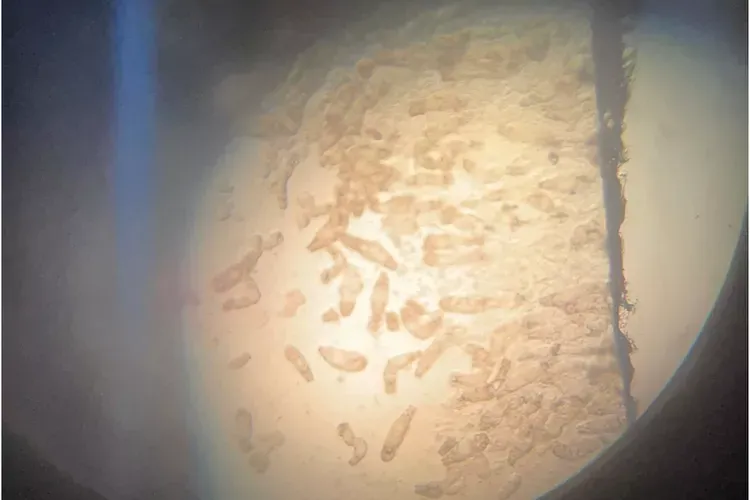
During diagnosis, your veterinarian will look for coccidia oocysts (tiny eggs) during a microscopic examination of a stool sample. This includes a fecal flotation test that allows your vet to evaluate whether oocysts are present. A blood test may also be recommended, although this is typically used to identify less common parasites.1
How to Treat Coccidiosis
Puppies are usually prescribed an anti-parasitic medication such as sulfadimethoxine to help eliminate coccidia, but prolonged treatment may be necessary.2 Other medications are also available for dogs that do not respond to sulfadimethoxine. Severe cases may demand hospitalization to counter dehydration with fluid therapy and for other treatments, and anti-parasitic medications typically take up to 25 days to be effective. In addition to treating your dog for coccidiosis, the entire home will need to be treated either with one cup of chlorine bleach diluted in water (recommended) or with a steam cleaner for other surfaces.1
Prognosis for Puppies with Coccidiosis
Puppies with coccidiosis can typically recover within four weeks, although continued treatments may be recommended by your veterinarian if the infection is not removed completely. Mild cases can often be resolved in less time. However, it's important to clearly follow your veterinarian's instructions—both for treating your dog and your house—to increase your puppy's chances of recovery.
Severe infections can be life-threatening, so owners should be vigilant in the sanitation process at home. Along with cleaning the interior of your house, it's necessary to thoroughly remove all feces from your backyard or the puppy's outdoor area to prevent reinfestation. Water bowls, food bowls, bedding, crates, and any other surfaces your puppy comes into contact with should be sanitized regularly. Because this condition can be serious when not properly treated, the prognosis for your specific puppy will depend on the degree of treatment provided along with your veterinarian's insight based on the puppy's medical condition.
How to Prevent Coccidiosis
Sanitation is the single most important prevention tool for coccidiosis.3 Environmental control is vital, particularly in kennels or other environments where large numbers of dogs are housed. Remove feces promptly from the yard or kennel and use appropriate cleaners in areas the dogs frequent. Coccidia is resistant to some common disinfectants, but diluted chlorine bleach is usually effective. Be sure to disinfect runs, cages, and food bowls every day to destroy infective organisms.
Is Coccidiosis Contagious to Humans?
While there are some species of coccidia that can spread to humans, Isospora is not known to cause any human health problems. This means that in most cases, the coccidia that infects your dog cannot spread to you, your family, or even other animals in the household like cats. Coccidia parasites are host-specific and infect one species (which varies based upon the type of coccidia that is observed).1
FAQ
Are older dogs at risk of coccidiosis?
Yes, while many adult dogs infected with coccidia never show obvious signs of being ill, older dogs with other illnesses can be vulnerable to developing coccidiosis.
Can puppies get reinfected with coccidia after treatment?
Yes, puppies can easily become reinfected if their environment is not sterilized properly, as oocysts can remain viable in soil for long periods.
What should I do if my puppy shows symptoms of coccidiosis?
You should visit your veterinarian as soon as possible, as these symptoms can be indicators of coccidiosis or other serious health problems that require prompt diagnosis and treatment.
If you suspect your pet is sick, call your vet immediately. For health-related questions, always consult your veterinarian, as they have examined your pet, know the pet's health history, and can make the best recommendations for your pet.






Leave a Reply
Your email address will not be published.