






Key Takeaways
Keep your pet’s routine consistent during the holidays to minimize stress and avoid potential health issues.
Contact your veterinarian immediately if your pet shows signs of illness, injury, or distress, even during holiday closures.
Certain symptoms, such as pale gums, seizures, or heavy breathing, require an immediate visit to an emergency vet clinic.
Holidays are a busy time, often filled with family and friends, holiday events, and travel or houseguests. Most pet owners enjoy involving their four-legged family members in their festivities, which can change a pet’s routine, diet, and environment. This can cause a pet to feel stress or develop various health problems that may need to be dealt with. Your regular family veterinarian may not be open during the holidays, so a trip to the emergency vet clinic may be needed.
Do I Need to Go to the Emergency Vet?
During busy holiday times, it may seem like an unnecessary expense and use of time to go to the emergency veterinary clinic if your pet falls ill or has an accident. After-hours care at an emergency clinic often costs more than a visit to your family veterinarian during office hours. However, some conditions can be serious enough to cause permanent damage or even death. The best plan is to contact your veterinarian immediately for assistance.
Most veterinary offices have an answering service or recorded information about how to obtain emergency services. You may be able to go to your regular veterinarian or they may refer you to a nearby clinic that handles emergency vet needs. So, even if your regular veterinarian office is closed, you should start with a call to their office.
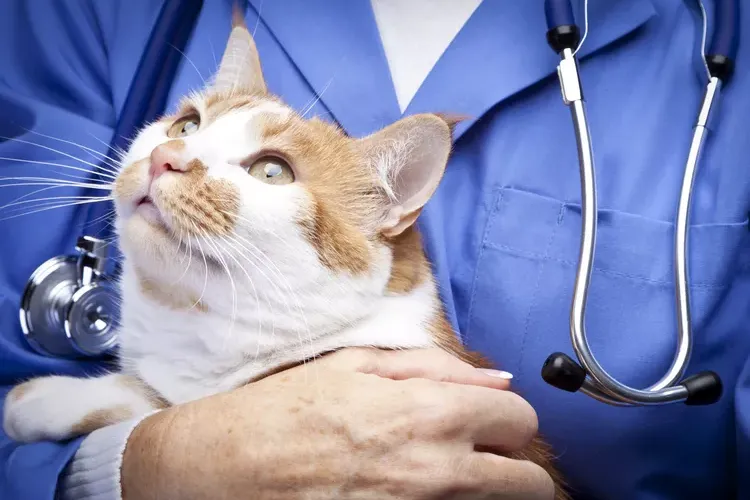
Once you speak with a veterinary staff member, you will be able to describe the problems so the vet can determine if an emergency visit is needed. If not, the vet can suggest the next steps to properly care for your pet.
As a general guideline, these nine conditions require an immediate visit to the veterinarian.
Open Wounds, Burns, or Broken Bones
If your pet has been in any kind of accident, fight with another animal, or hit by a car they should be taken to the vet immediately.
Discolored Gums
Gums that are pale, white, or have a blue tint could mean your pet is in shock, suffering from low blood sugar, anemia, poor circulation, or bleeding internally.
Toxin Exposure
If your pet eats os is exposed to something toxic, medication for humans, certain plants, or certain foods they need to be seen by a veterinarian right away.
High or Low Body Temperature
A dog’s normal body temperature is 101-102 degrees and a cat’s normal body temperature is 100.5-102. If you are able to check your pet's body temperature and it is outside of these ranges, a visit to the vet is in order. A pet with an abnormal body temperature may feel hot or cold to the touch. The pet may shake or shiver and act lethargic from fever or low temperature.
Excessive Vocalization
When pets cry out continuously or loudly this could be a sign of pain. Even if you are unable to determine the cause of the pain, a vet should be consulted.
Cough
Coughing might be a sign of heart trouble or breathing issues.
Distended Abdomen
Abdominal issues and internal bleeding can cause a bloated abdomen. Vomiting often occurs with these issues. Untreated, these problems could lead to the death of your pet.
Difficulty Breathing
Heavy breathing or struggling to breathe can indicate heart trouble or respiratory issues. Of course, it may be a much less severe problem, so a call to the veterinarian will help decide if a visit is needed.
Seizures
Seizures can cause permanent nerve or brain damage. Contact your vet and prepare to visit the emergency clinic immediately.
How to Prevent Pet Emergencies During the Holidays
Your family’s schedule is usually different during the holidays. People have time off work, there are events to attend, traveling might be necessary, and friends and family could be visiting. This may mean that special foods and sweets are being offered to your dog. All this activity creates many changes for your pet. Try to keep your pet’s schedule for feeding, sleeping, and activity as close to normal as possible. Make sure they are not being fed table scraps and treats by well-meaning guests that are not aware of your dog’s dietary needs.
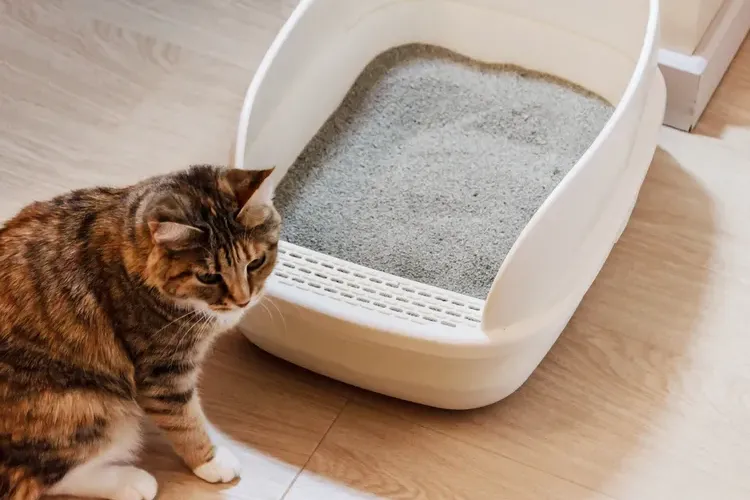
Keep an eye on your pets. Check on them periodically to make sure their behavior, attitude, and appetite are good. Check that they are eating well, urinating, and defecating regularly, and being active as usual.
If you see any major changes in your pets, if they are involved in an accident, or meet any of the conditions listed here, contact your vet immediately.
If you suspect your pet is sick, call your vet immediately. For health-related questions, always consult your veterinarian, as they have examined your pet, know the pet's health history, and can make the best recommendations for your pet.





Leave a Reply
Your email address will not be published.