

Key Takeaways
Lentigo is a benign, genetic condition in orange cats causing black or brown spots and is not associated with cancer.
The primary concern with lentigo is that it can mask melanoma, so regular veterinary checks are important.
If you notice raised black spots, contact your veterinarian as they could be more serious than flat spots.
When a new spot appears on your cat, it usually causes concern. However, these spots can often be easily explained. The most common reason is lentigo, a genetic condition where the number of pigment-producing cells, called epidermal melanocytes, increases.
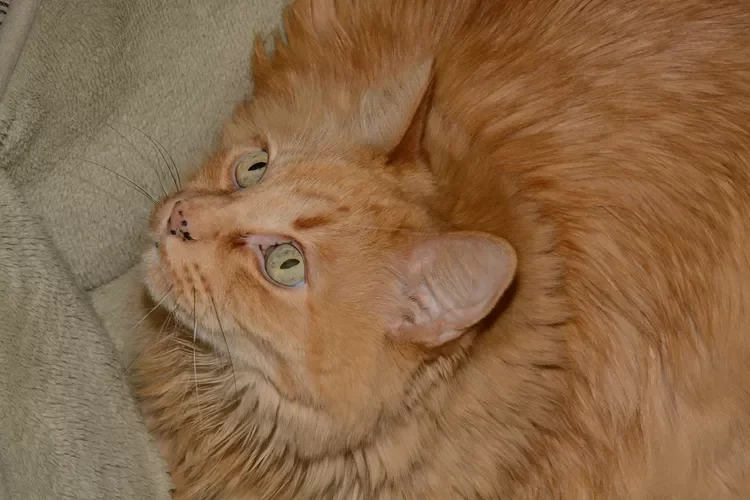
If flat brown or black spots suddenly appear on your orange cat's nose, lips, and eyelid margins, you may not need to worry. Let's explore what these spots are and if you should be concerned.
Why Do Orange Cats Have Black Spots?
Lentigo, a genetic condition, is the most common reason for these dark spots. It causes an increase in pigment-producing cells known as melanocytes, resulting in small black or brown spots on your cat's face.
Lentigo doesn't only affect orange cats. Tortoiseshell, calico, yellow, and flame-point cats can also develop these black spots. While middle-aged to older cats are most commonly affected, lentigo can appear as early as one year old.
What Are the Signs of Lentigo in Cats?
Lentigo often begins on the lips as tiny dots, then spreads to the eyelids, gums, and nose. As the cat ages, the spots become more widespread and can grow larger, with clusters of spots sometimes forming a large pigment patch.
Small lesions may cluster together, discoloring a larger area. They are typically brown or black, small, and usually flat but can appear raised. Having a defined border, they show no redness or other skin changes. Cats don't seem bothered by these "freckles," as they are neither itchy nor irritating.
What Are the Causes of Lentigo in Cats?
While human freckles are linked to sun exposure, the cause of lentigo in cats is unknown. These feline freckles don't appear to relate to sun exposure.
Lentigo spots result from melanocytes producing more melanin than surrounding skin. It's theorized that the gene for orange coat color is unstable and may revert to a "non-orange," darker gene over time, though this isn't confirmed.
How Is Lentigo in Cats Diagnosed and Treated?
Veterinarians usually diagnose lentigo through a physical exam and by reviewing clinical signs and other health conditions. If lentigo spots resemble melanoma, a vet may perform a fine needle aspirate to check for cancerous cells under a microscope.
Lentigo isn't cancer and won't develop into cancer. The main concern is that lentigo spots can hide melanoma, so routine veterinary exams are crucial. Contact your veterinarian if you notice a raised black spot, as raised spots are more likely cancerous than flat ones.
As lentigo is a benign, cosmetic condition similar to human freckles or age spots, it doesn't require treatment, just enjoy your kitty's freckles.
What Other Conditions Appear Similar to Lentigo in Cats?
Although lentigo's black spots can be startling, they are the most benign type of small black dots. Other similar-looking medical conditions that may pose health issues include:
Fleas and flea dirt
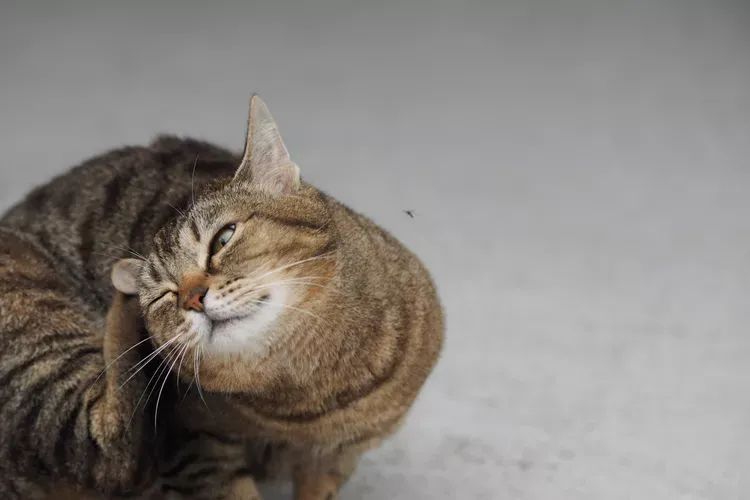
These blood-sucking parasites appear as small black dots in your cat’s fur and may be difficult to detect if she is an excellent groomer. As the fleas feed on your cat, they will pass digested blood, also known as flea dirt or excrement, which will appear as minuscule black flecks on your pet’s skin and fur.
Combing your cat with a fine-toothed flea comb is the best way to diagnose a flea issue, as these special combs are designed to pull fleas, eggs, and dirt off your pet.
Feline acne
While the exact cause of feline acne is unknown, it is a fairly common skin condition in cats. Appearing as black dots on the chin, feline acne may also progress to red, inflamed pustules that can rupture and ooze.
Proper hygiene is a must for cats with acne, especially regarding food and water dishes. Avoid plastic dishes and switch to ceramic, stainless steel, or glass instead. Feline acne can be an occasional flare-up or a chronic condition that requires rigorous hygiene protocols.
Melanoma
Cats, unlike people, rarely develop melanoma because of excessive sun exposure. Melanoma refers to the pigment melanin, which is produced by certain cells in the body. With the malignant form of melanoma, these pigment cells grow out of control, and are most likely to affect the skin, eyes, or mouth of cats.
Several characteristics are common among cats with melanoma:
Melanoma may appear as a darkly colored patch, spot, lump, or raised area on the skin, gums, or within the eye.
Commonly affected sites include the lips, gums, tongue, nose, ears, and eyes.
In the eye, the first sign of melanoma may be the iris changing color and darkening.
Melanoma is aggressive and can rapidly spread to the lungs or liver, causing breathing difficulties, lack of appetite, and weight loss.
If you're concerned about a spot on your cat, especially if it changes in size or is raised or tender, contact your veterinarian to schedule an appointment. There’s a good chance that your cat’s black spot may simply be lentigo, but it’s better to be safe than sorry.
What Are Skin Tags on Cats?
If you suspect your pet is sick, call your vet immediately. For health-related questions, always consult your veterinarian, as they have examined your pet, know the pet's health history, and can make the best recommendations for your pet.






Leave a Reply
Your email address will not be published.