





Key Takeaways
Puppies often contract giardiasis by ingesting giardia parasites from contaminated water or feces, leading to digestive issues.
Giardiasis is diagnosed through stool tests, and treatment typically involves anti-parasitic medication like fenbendazole or metronidazole.
Preventing giardiasis includes avoiding unsanitary water, cleaning contaminated areas, and maintaining proper hygiene to reduce reinfection risks.
Giardiasis typically affects young dogs with underdeveloped immune systems. Puppies ingest giardia parasites when drinking contaminated water such as puddles or ponds. The parasites make puppies' bellies swell with gas and cause diarrhea that can negatively affect pups' health via dehydration and nutrient loss.
What Is Giardiasis?
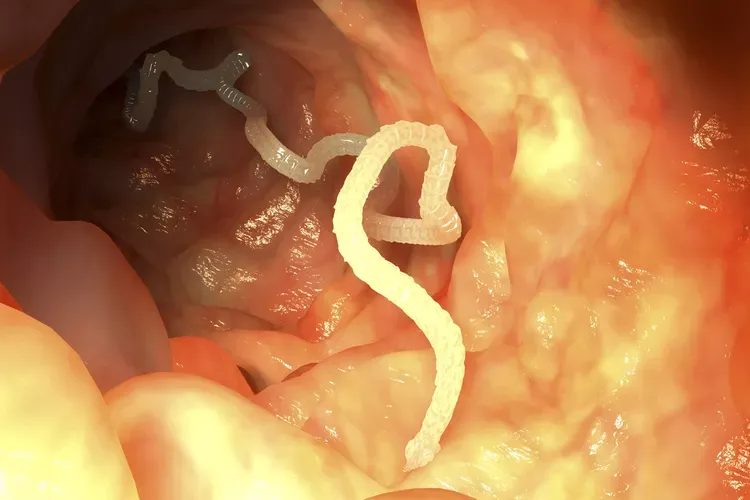
Giardiasis is an infection caused by ingesting giardia, single-cell organisms (protozoa) that parasitize the small intestine. Puppies generally contract giardia by drinking from streams, puddles, or other contaminated water sources. It can also be contracted by direct contact with feces from other infected animals.
Giardia is quite common in young pets, affecting up to half of all puppies. Many dogs can have no symptoms from giardia; however, the intestinal parasite can wreak havoc on a puppy's digestive tract, causing malabsorption issues that lead to malnutrition.1
Symptoms of Giardiasis in Puppies
If your puppy comes down with a case of diarrhea a few days after a hike, giardiasis could be the culprit. Other symptoms of infection include:
Symptoms
Stool mixed with mucus and/or blood
Diarrhea
Swollen abdomen (bloating)
Gas
Malnutrition
Weight loss or failure to gain weight
Giardia protozoa attach to the wall of a puppy's small intestine and begin a parasitic feeding stage. The parasite then begins to divide and replicate itself, causing distress to the puppy and sometimes damaging the intestine.
Indigestion, refusal to eat, decreased energy levels, and a swollen tummy from gas and bloating are among the more common symptoms of pups with giardiasis.2 If the infection persists, a puppy may have trouble gaining or maintaining weight, as the organism compromises its ability to properly process food.
Occasionally, asymptomatic cases are diagnosed during a routine fecal exam, but this usually only happens very soon after contracting giardiasis.
Causes of Giardiasis
The infective "cyst" stage of the giardia organism lives in the environment. Puppies often encounter these parasites in the following places:
Standing water (puddles, ponds, slow-moving streams)
Areas where infected wildlife have defecated
Boarding facilities with shared play or poop areas
Diagnosing Giardiasis in Puppies
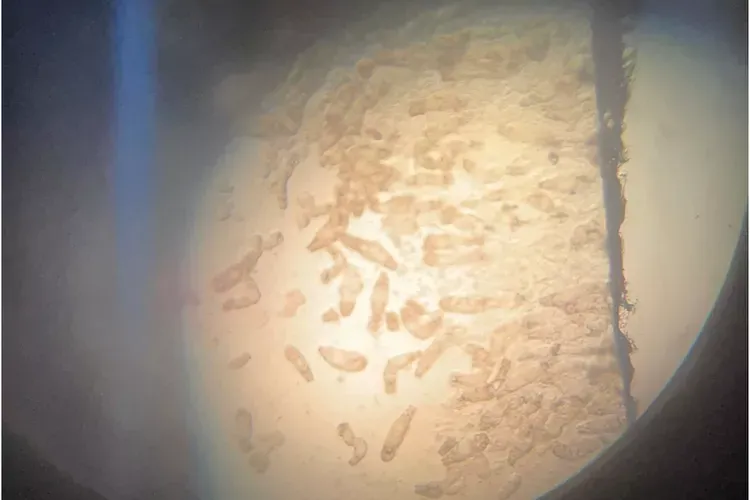
Diagnosing giardiasis begins with a stool sample collected either at home or at the veterinarian's office. Using a microscopic examination, the veterinarian looks for the protozoan in the sample. Diagnosis can be tricky because infected dogs pass the organism only intermittently, so a stool test can be negative, even if giardia are present in the intestines.
Repeated tests are often necessary to detect the parasites. Your veterinarian may also test for antibodies that indicate your pet was exposed to giardia. However, since many dogs never show symptoms and can fight off the infection on their own, a positive antibody test does not mean your pet is infected.
Treatment
Technically, there is no drug specifically formulated for treating giardiasis in animals. So, it is typically treated with the prescription drug fenbendazole, a broad-spectrum anti-parasitic medicine used to also treat other gastrointestinal parasites. Side effects rarely occur with this course of treatment, and the drug is safe for both pregnant and lactating animals.
Another option for treatment is the antibiotic metronidazole, which can be paired with fenbendazole for resistant cases. Following a course of medication, repeated fecal exams are needed to confirm the presence of any existing organisms.
Prognosis for Puppies with Giardiasis
Most puppies that contact giardiasis and receive prompt treatment recover well. Only in severe or untreated cases, which can occur in homeless puppies, can this infection prove fatal.
How to Prevent Giardiasis
You can prevent the chance of your puppy contracting giardiasis by restricting its access to unsanitary water on your property or while out hiking.
If your puppy becomes infected, do your best to clean any outdoor surfaces where it frequently defecates with a bleach-based cleaning product. Wash all dog beds in hot water and laundry detergent.
Reinfection is common in dogs due to normal grooming behaviors. For this reason, it is important to make sure that there are no feces left on your dog's fur after defecating. If your dog has long fur, trim the fur under the tail short so fecal matter doesn't get stuck in it. It may also be necessary to wash your dog's bottom after it goes to the bathroom.
Since giardia also commonly occurs in kennels and boarding facilities where dogs share common play areas, it's best not to board your dog until it's about a year old to avoid infection.
Is Giardiasis Contagious to Other Animals?
This infection is contagious to other animals, particularly other dogs, via feces. If a dog eats another dog's poop or drinks water contaminated with giardia from another dog, then it may contract giardiasis.
Is it Contagious to Humans?
If your puppy has giardia, there's minimal need to worry about it spreading to you or your family. Giardia is zoonotic, meaning it can be passed between animals and humans, but the strains that infect dogs rarely affect people, making pet-to-human transmission uncommon.
Infections in people are much more likely to be caused by drinking contaminated water. The symptoms in humans are similar to canines and include diarrhea, gas, greasy stools, and other digestive issues.3
Comprehensive Guide to Essential Dog Vaccines
If you suspect your pet is sick, call your vet immediately. For health-related questions, always consult your veterinarian, as they have examined your pet, know the pet's health history, and can make the best recommendations for your pet.






Leave a Reply
Your email address will not be published.