





Certain health problems in dogs have a genetic component. This means the condition can be inherited from the parents, or that certain dogs may be predisposed because of their breeding.
One such condition is hip dysplasia, a genetic condition in dogs that causes pain and stiffness in the hip joints and can lead to canine arthritis in later life.
In this article, we explain what canine hip dysplasia is, how to spot the early signs, and what to do if your dog is diagnosed.
Recommended Reading:
Understanding Arthritis in Dogs
How to Care for Your Dog's Joints
What is Hip Dysplasia?
A canine hip joint consists of a ball-and-socket joint. The "ball" is the rounded end of the femur (thigh bone) that fits into the cup of the bone on the pelvis (hip bone) or the "socket" (acetabulum).
Ligaments within the joint and surrounding capsule keep it stabilised, while the smooth cartilage covering the ends of the bone allows the joint to move freely and without pain.
Dysplasia: "The abnormal growth or development of cells or a tissue, such as bone.”
A dysplastic hip has loose ligaments, making the joint unstable. These loose ligaments cause the head of the femur (the "ball") to sit slightly out of the socket of the hip. This is called subluxation.
Over time, the joint's surface becomes damaged and misshapen, and the cartilage wears away. This causes arthritic changes and pain when moving the joint.
Signs of Hip Dysplasia in Dogs
The symptoms of hip dysplasia in dogs are similar to those of canine arthritis, most commonly as hind limb pain. Other symptoms of canine hip dysplasia include:
Stiffness in back legs (especially when rising from rest)
Reduced range of movement in the back legs
Lameness in one or both back legs
Abnormal gait (may look like a "bunny hop" on the back legs)
Avoiding / inability to climb stairs or jump into cars
Hip pain (may be seen as overgrooming of the area, or reluctance to be touched)
These symptoms can be seen in dogs of any age, but severe cases can be seen even in young puppies.
Symptoms of hip dysplasia will get progressively worse without veterinary intervention and the appropriate treatment. There is no cure for hip dysplasia in dogs, so if you notice any of the above symptoms, book a consultation with your vet as soon as possible.
How is Canine Hip Dysplasia Diagnosed?
Hip dysplasia can often be detected in routine screening of animals intended for breeding. However, the signs and symptoms (along with your pet's clinical history) will alert your vet, along with clinical examination.
Your vet will likely be able to feel the looseness in your dog's joint if it's dysplastic, and may be able to feel the reduced movement when the hips are extended. They'll also be able to tell if your dog shows any signs of pain or discomfort during this.
X-rays of the hip are the only definitive way to diagnose hip dysplasia in dogs.

How is Hip Dysplasia Treated in Dogs?
As mentioned, there is no cure to hip dysplasia. However, there are a range of treatment options to help you manage your dog's condition and ease their symptoms or pain.
Dog hip dysplasia treatments include:
Canine Hip Dysplasia Surgery
Surgery provides a curative treatment for the underlying disease process associated with hip dysplasia. There are three main surgical treatments for dog hip dysplasia:
Triple Pelvic Osteotomy (TPO): Used in cases where the ligaments in the joint are loose but there is not yet any damage to the joint itself. It involves surgically breaking the pelvis and realigning it so the ball and socket joint fits together better and the joint can move smoothly.
Total Hip Replacement (THR): Can be used in cases where there is severe damage to the joint surface. It involves removing the entire joint and replacing it with a prosthetic joint, restoring smooth, pain-free movement. This is a very specialist procedure, which will involve referral to a specialist centre.
Femoral Head and Neck Excision (FHNE): A salvage procedure which involves cutting out the ball on the top of the femur and letting the body form a false, fibrous joint. This is pain-free, but the stability and range of movement of the joint are much reduced
Hip Dysplasia Medical Treatment
Medical management is usually needed in addition to surgical correction of canine hip dysplasia. While medical management will help reduce pain, it alone won’t cure the underlying disease process.
Weight - Overweight dogs are more prone to trouble with their joints as the extra weight puts strain on the joints, and hip dysplasia is no different. Maintaining your dog's optimal body condition is essential and can be achieved with gentle exercise (such as swimming or hydrotherapy), to build muscle mass without causing further joint damage.
Dog Joint Supplements - Glucosamine is a glycosaminoglycan, which is the building block of cartilage, while Chondroitin protects cartilage from damaging enzymes. Together, they are very helpful in slowing the progression of arthritis caused by hip dysplasia, maintaining joint cartilage, and helping the joint move smoothly without pain.
Non-Steroidal Anti-Inflammatory Drugs - These are a family of drugs that reduce inflammation in and around the joint and act as pain killers. They are safe for long-term daily use to control pain associated with hip dysplasia and can make a big difference to your pet’s quality of life.
Dogs Prone to Hip Dysplasia
Hip dysplasia is primarily a disease seen in larger, pure-bred dogs, but it can also affect medium-sized dogs and crossbreeds. It is rarely seen in small dog breeds.
Hip dysplasia is an inherited condition, and some breeds of dog are genetically predisposed, such as:
Labradors
Golden Retrievers
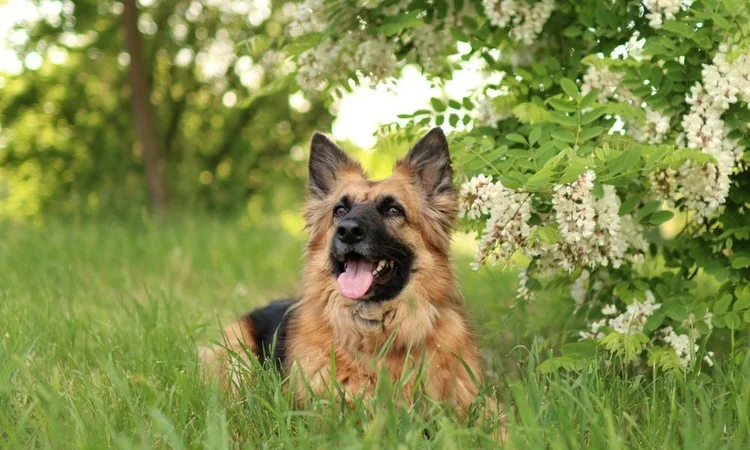
German Shepherd dogs
Rottweilers
and more
Canine Hip Dysplasia Risk Factors
There are some predisposing factors that can impact a dog's likelihood of hip dysplasia. These risk factors include:
Genetics
Hip dysplasia is an inherited condition, so it can be reduced in predisposed breeds by selective breeding. This involves screening both bitches and breeding dogs.
Screening for hip dysplasia involves taking a standard set of X-rays of the hips once the dog is skeletally mature (fully grown). These X-rays are sent to an expert panel, assessed for signs of hip dysplasia and given a score.
Animals with a good hip score are suitable for breeding, but it is not advised to breed from animals with poor hip scores, as their offspring would be likely to suffer from hip dysplasia and all that comes with it.
Nutrition
Hip dysplasia is exacerbated by obesity, as the heavier the dog is, the more force is put through the joints. A healthy weight should be maintained with a good diet and regular exercise.
Minerals such as calcium are also very important in forming healthy bones. Good quality dog foods will be well-balanced, but care should be taken when feeding home-cooked diets.
Exercise
Exercise is important for increasing muscle strength and mass, which helps stabilise the hip joint and control weight. It is thought that too much (high-impact) exercise at a very young age may damage the bones, so gentle exercise is a must.
Exercise should be done daily rather than just one long walk on weekends, and low-impact exercise, such as swimming, is ideal.
Managing hip dysplasia in dogs can be challenging. Joint pain and stiffness can have a significant impact on your dog's mobility and quality of life, which can hard to see as an owner. That said, with early intervention and the appropriate treatment, hip dysplasia can be managed, and your dog can live a long, full and healthy life despite it.






Leave a Reply
Your email address will not be published.