









Have you been questioning if your dog’s current food is right for them? Or have you noticed some issues with your dog’s digestion that’s making you wonder if they’re getting all the nutrients they need? Maybe you’re just looking to find a new healthy dog food without breaking the bank.
Whatever the reason, we’ve made this guide to help you better understand when it’s time to change your dog’s food and how to go about it.
Contents:
Should you change your dog's food regularly?
Rotational diets for dogs
Reasons to switch your dog's food
How to switch dog foods
Should You Change Your Dog's Food Regularly?
Anyone who’s owned a dog knows they’re usually not the pickiest of eaters, so feeding them a consistent diet for a long time is not necessarily an issue. And hey, if it’s not broken, why fix it?
That said, some experts have recommended that you change your dog’s food every three months to keep your dog interested and avoid them developing allergic reactions to the ingredients. They also recommended switching the protein source in their food, so if they’re usually eating beef, try switching to a poultry or fish-based food to keep them interested.
Rotational Diet Methods
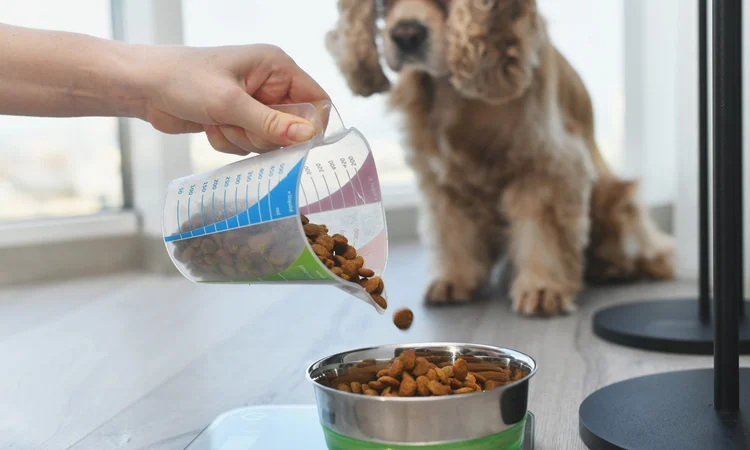
One popular method for changing your dog’s food is rotational feeding. This diet involves rotating your dog’s food depending on the proteins, grains, toppings, or even switching from wet to dry food daily, weekly, or even monthly.
Using the rotational diet can reduce the chances of your dog developing allergies to certain ingredients, increase their interest in their food, and even improve their digestion!
However, the rotational diet won’t work for every dog, and it’s important to watch for any gastrointestinal issues, such as vomiting or diarrhoea, while changing your dog’s food.
Reasons to Switch Dog Food
It’s likely you’ll need to change your dog’s food more than once in their lifetime, either because you're switching from puppy to adult food, or changing an adult to senior dog food, or because your vet has recommended a change. Whatever the reason, there are some signs you should also keep an eye out for that can indicate it’s time to switch your dog’s food.
Upset Stomach
One of the most common signs that your dog’s food needs changing is gastrointestinal upset, such as vomiting or diarrhoea. Sometimes, a change in diet can be just what your dog needs to alleviate their symptoms, but if you notice your dog is having these problems for a couple of days, you should consult your vet as soon as possible to ensure there’s no other underlying problem.
If your vet advises you to change your dog's food to alleviate symptoms, you mustn’t make the change too quickly, but phase the old food out, as this can cause the problem to get worse. If you are changing your dog's diet, why not try using a dog probiotic supplement to help ease the transition?
Allergies
If your dog is eating normally and their stomach is fine, but you notice they’re itchy or have inflamed or flaky skin, then this could be a sign that your dog is allergic to something in their food or environment. Dog food allergies are common, but it’s important to rule out any other potential allergens, such as dust, pollen, or even flea saliva (flea allergy dermatitis).
If you think your dog is suffering from allergies, speak with your vet about allergy testing or try an elimination trial to find the source of their allergies. In the meantime, a range of dog allergy treatments are available to help manage your dog’s allergy symptoms and soothe them.
If their food is the root of their allergic reaction, then you can do a few things to help, including switching to a hypoallergenic dog food made explicitly without the most common dog food allergens, like wheat, beef, soy, or dairy.
Please remember that it can take a few weeks to see any change in your dog’s symptoms, so it’s essential to be patient. Our blog explains more about recognising dog food allergies and how to treat them.
Weight Management
Unfortunately, dog obesity is a growing issue, particularly due to dogs being fed inappropriate foods (such as human foods), owners not knowing how much to feed their dogs, or a lack of physical activity. Obesity can lead to several health problems, including arthritis, heart problems, and even diabetes, so keeping your dog at a healthy body weight for its breed is essential to ensure their health and well-being.
If you’re worried your dog may be overweight, consult your vet as soon as possible for a consultation. After which, you’ll likely be advised to change their diet to better manage their weight and increase the amount of exercise they do, either through longer walks or interactive play.
Many big-name brands offer a “light” or “weight management” option for their dog foods, so you can work to reduce your dog’s calorie intake while also ensuring they are satisfied and still receiving all the nutrients their body needs. Shop our range of weight management dog food here.
Low-Energy
Dogs—even the most energetic of them—tend to sleep for 12 or more hours a day, so a sleepy dog is usually a sign of a happy and content dog. However, if your dog is more lethargic than usual or more than is expected of their breed or age, the answer may be in their diet.
Like humans, dogs get all their energy from their food, so if your dog has less energy than usual, it may be a sign that your dog’s food does not provide them with all the nutrients and calories they need.
However, lethargy is also a common symptom for several other health problems, some more serious than others, so we'd recommend booking a consultation with your vet if you're concerned about how much they sleep.
Boredom
While most dogs aren’t fussy with their diet, there is still a chance they’ll go off their food, and one of the most common reasons for this is boredom. After all, would you want to eat the same thing twice daily for your whole life? Probably not.
If your dog is not as excited or motivated by mealtimes as usual, it's usually a sign that it wants something different (barring a medical issue).
If this is the case, you might not need to change their food entirely. Instead, why not try:
Offering the same brand of food in a different flavour.
Choose variety packs of wet dog food over single flavours.
Introduce a dog food topper to make kibble more interesting.
Just make sure whatever you’re adding to your dog’s food is safe for them to eat and isn’t likely to spark any existent allergies.
How to Switch Dog Food
Changing your dog’s food too quickly can exacerbate existing issues, especially if they’re experiencing stomach upset, so it’s crucial you change their food properly.
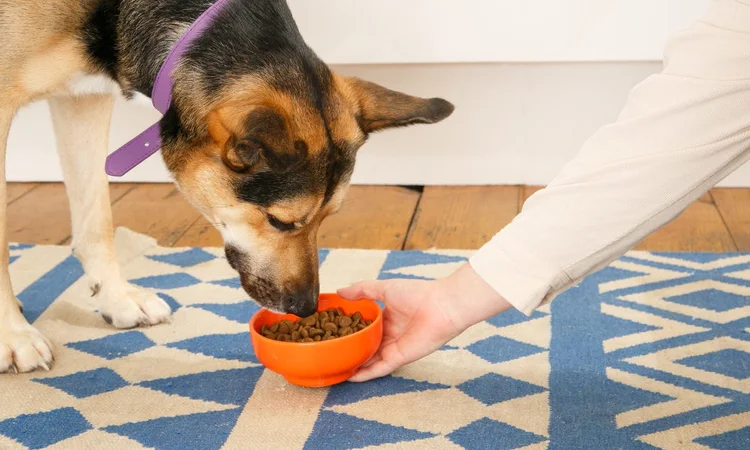
You can do this by changing their food gradually over a week or more by slowly adding the new food to your dog’s diet while simultaneously decreasing the amount of their old food until you’ve switched completely. Our blog provides a more detailed guide on changing your dog’s food.
It’s important to watch your dog’s behaviour while changing its diet to ensure the new food agrees with it. Watch out for your dog’s energy levels, interest in the new food, keenness for meals, and bowel movements to ensure there’s no stomach upset.
Puppy food to Adult Food
As puppies grow, their dietary needs can change. Once your dog is considered an adult (which varies depending on breed), you need to switch them to an adult dog food diet. This can be a daunting process as puppies are known to have sensitive stomachs, and changing their food might spark a range of unpleasant symptoms.
When changing your puppy to adult dog food, take it slow and monitor their behaviour and bowel movements to ensure the food agrees with them.
How to Choose a New Dog Food
Choosing a new dog food can be a challenge. With so many brands and varieties on offer, it can be a struggle to know where to start.
Knowing which food would be right for your dog depends on a number of things, including, but not limited to:
What’s wrong with their current diet
Your dog’s age
Your dog’s size
Your dog’s activity levels
Your dog’s feeding schedule
Your dog’s individual preferences
With these things in mind, it can be easier to narrow down your choices, but if you’re still struggling to choose a dog food, check out our Guide to Choosing the Best Dog Food today.






Leave a Reply
Your email address will not be published.