







Key Takeaways
Ulcers in freshwater fish often result from weakened immune defenses caused by stressors like parasites or poor water quality.
Preventing ulcers involves maintaining good water quality, proper nutrition, and quarantining new fish to reduce stress and infection risks.
Severe ulcers require veterinary care, while minor ones can heal naturally if stressors are removed and water conditions are ideal.
Ulcers in freshwater fish are a common problem, but they are usually not the only problem you may have at the time. Ulcers most commonly occur when a fish's defenses are weakened by a primary stressor, such as a parasite damaging the skin and allowing bacteria to enter. Severe ulcers may require veterinary care, but basic ones are easily treated by checking a few key items.
What Are "Ulcers?"
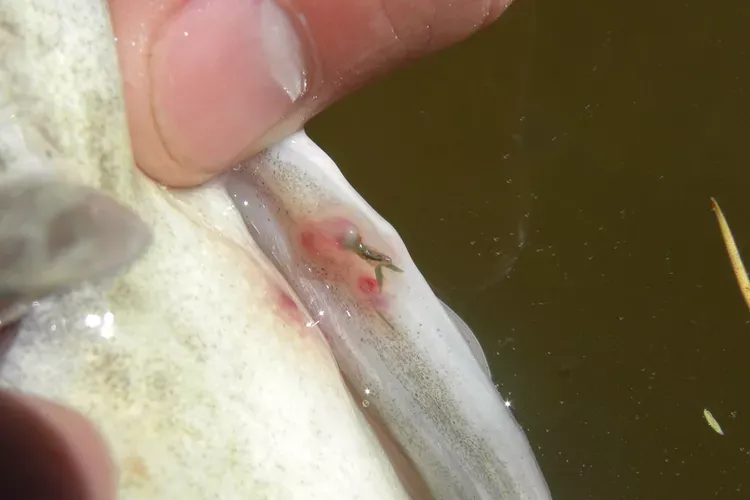
Ulcers are defined as a sore through the skin, resulting in tissue necrosis. They can have many inciting factors that start the injury, such as trauma or parasites. Severe ulcers may lead to exposure of underlying musculature. An ulcer on the abdomen can expose internal organs. Deeper ulcers are more likely to result in death of the fish.
Due to the nature of aquariums, bacteria are always present in the water and may occur on fish's skin. Most of the time, the mucus layer on the body and a fish's immune system will keep the bacterial invaders from penetrating the outer skin layers. Fish skin mucus is full of immune factors, which is why it is important to keep it on the fish. Water conditioners that contain polyvinylpyrilodone (PVP) may improve the slime coat, and do promote wound healing.1
If a fish's immune system is overwhelmed by the bacterial onslaught or you encounter a particularly nasty bacteria strain, your fish are likely to develop ulcers. Although they may start on the surface, once bacteria has breached the outer wall, your fish may be susceptible to a full systemic infection or sepsis.
Signs of Ulcers in Freshwater Fish
Elevated scales
Increased redness to veins (erythema)
Scale loss
Red spots (varying sizes)
Skin erosion
Exposure of underlying muscles
Loss of fin structure
Lethargy
Decreased appetite
Death
Causes of Ulcers in Freshwater Fish
Primary infections in fish by ulcerating bacteria are rare. Often, a common bacteria species will take advantage of a drop in your fish'simmune defenses. An acute stress reaction is beneficial for fish, and is associated with the "fight or flight" response. If a stressor cannot be escaped or mitigated, this results in a chronic stressor. Chronic stress results in decreased immune function, decreased fecundity and decreased body condition. The following items are some of most common stressors for freshwater aquarium fish, but not all:
Poor Water Quality
The quality of water that the fish swim in is directly correlated to their overall health. Not maintaining your filtration system and ignoring improper water quality will result in many secondary diseases, ulcers included. Also, fish kept at cooler water temperature will have a weaker immune system.
Parasites
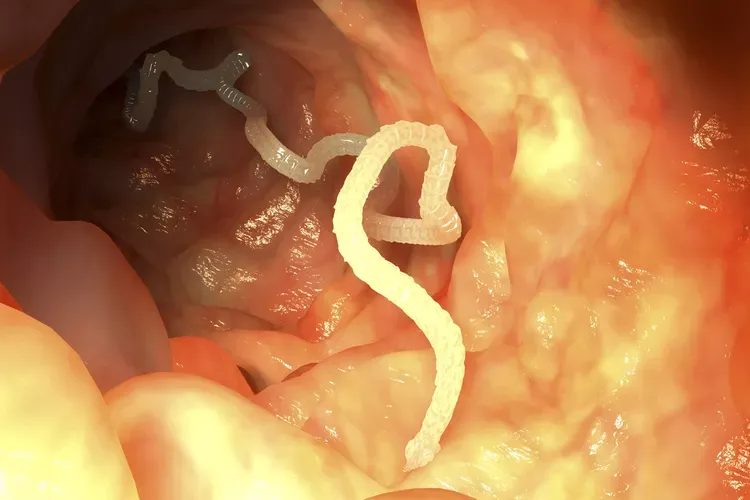
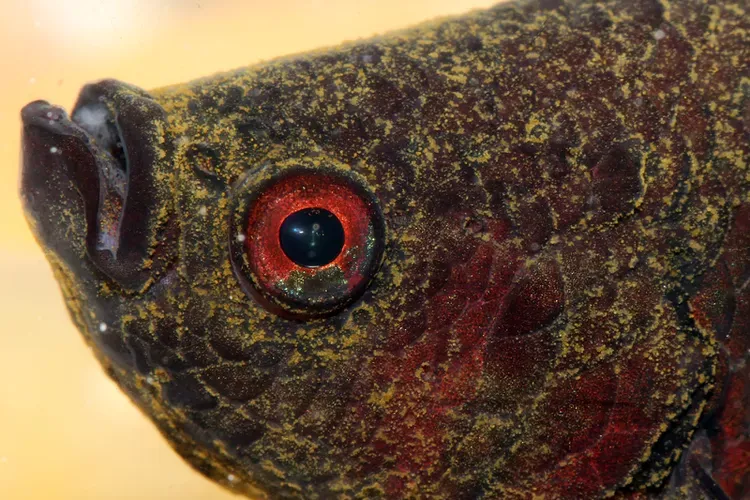
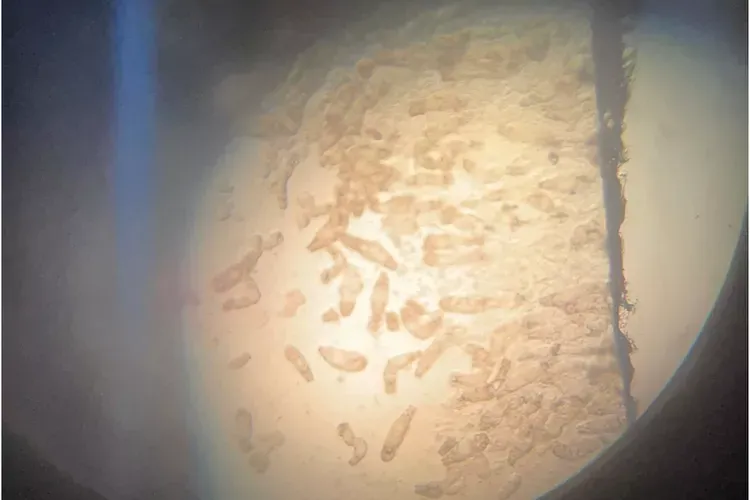
Freshwater fish parasites can stress fish and create skin damage that allows for bacteria to penetrate into the skin. Parasites on the skin will often cause the fish to "flash." Flashing is a behavior in which fish use their substrate and any décor to scratch themselves, exposing the brighter belly that looks like a flash of light. This behavior may look like a "twitchy dance" or "uncoordinated swimming." Parasites will often enter an aquarium when new fish are added without quarantine.
Keep in mind that your aquarium water temperature will determine how fast parasites complete their life cycle. Treatments for eliminating parasites must be used long enough to completely disrupt the parasite's life cycle. This is critical in outdoor ponds with varying seasonal temperatures.
Poor Nutrition
In order to give your fish the best nutrition, don't just reach for whatever food container is most expensive. Do your research so you know what diet is best for your fish. Is it a herbivore, carnivore, or omnivore? Select the right food for your species of fish. Poor or inadequate nutrition will decrease your fish'simmune function. Providing a variety of foods to your fish will decrease the risk of nutritional deficiencies that might occur from feeding the same food all the time.
Don't keep any food for more than 6 months; after this point, it has started to lose too much of its vitamin content. Keep your food in a sealed, light-proof container in a pantry or cupboard. For pond fish, keep the food inside where the temperature is stable. You can even keep the food in the refrigerator or freezer where is will maintain freshness longer.
Aggression
Fish can become aggressive over food, territory and reproductive opportunities. Aggressive behavior can include charging, nipping, ramming and chasing. The stress of anticipating an attack can be enough to stress out more docile species. Open wounds from attacks in addition to stress can create an ideal environment for bacterial ulcers to form.
Treatment of Ulcers in Freshwater Fish
Once a primary stressor has been identified and removed, your fish will most likely heal without any additional intervention if it is a minor wound and water conditions are perfect.
Severe ulcers will require veterinary treatment, often with antibiotic therapy. Your veterinarian may recommend a bacterial culture and antibiotic sensitivity test to identify the primary bacteria of concern and a list of antibiotics it is most susceptible to. Your veterinarian may even give the fish an injection of antibiotics, or prescribe a fish food that contains antibiotics.
Do not attempt to treat your fishes' ulcers with over-the-counter antibiotics. These illegal products are not checked for potency and efficacy. Using a dose that is not high enough to kill the bacteria can even result in antibiotic resistance in the bacteria. Water-based antibiotic treatments will also wipe out your biologic filter and cause additional stress.
How to Prevent Ulcers in Freshwater Fish
In order to prevent ulcers in fish, it is critical to mitigate stress in your aquarium. It is exceptionally rare that a deadly bacteria will get into your aquariumif you are:
Maintaining good water quality,
performing regular filter maintenance,
feeding an appropriate and fresh diet,
using proper biosecurity protocols,
and completing proper quarantine of new fish.






Leave a Reply
Your email address will not be published.