
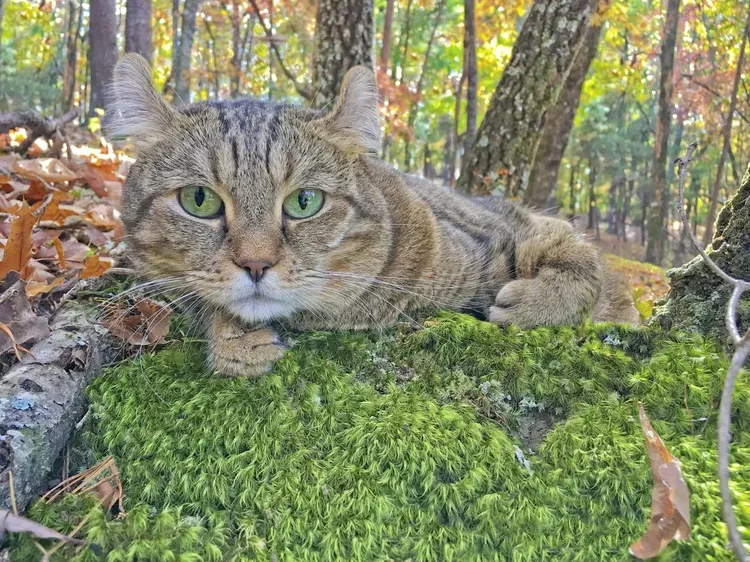
Developed to resemble big cats, the highlander cat is medium to large, muscular, and athletic, with a naturally short tail. The highlander comes in both short-haired and long-haired versions, and may come in any color in solid, tortie, tabby, or silver/smoke patterns. The breed’s most distinguishing features are a straight to slightly convex forehead, wide nose bridge, blunt profile, and wide-based ears that are loosely curled at the top.
The highlander is a relatively new breed, and is not yet full recognized by any major cat registry, though it’s on its way to eventual full recognition with The International Cat Association (TICA).
Learn more about the highlander cat, from the breed’s history and appearance to care needs and health.
Breed Overview
PERSONALITY: Playful, energetic, clownish
WEIGHT: 10 to 20 pounds, with males slightly larger
LENGTH: 15 to 22 inches
COAT LENGTH: Long or short hair
COAT COLORS: All colors
COAT PATTERNS: Solid, tortie, tabby, silver/smoke
EYE COLOR: Varies
LIFESPAN: 10 to 15 years
HYPOALLERGENIC: No
ORIGIN: United States
Characteristics of the Highlander Cat
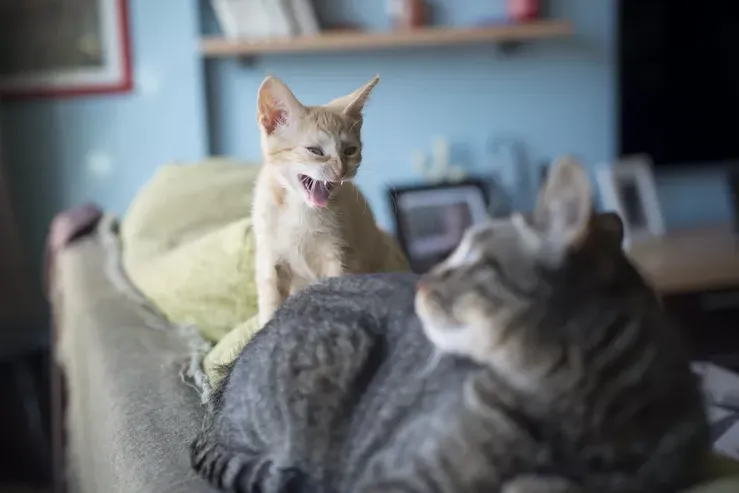
Playful and outgoing, the highlander cat has a ton of energy. This people-oriented cat is friendly with almost anyone, including strangers, though they bestow the most affection on their human family. The breed gets along well with other cats and cat-friendly dogs.
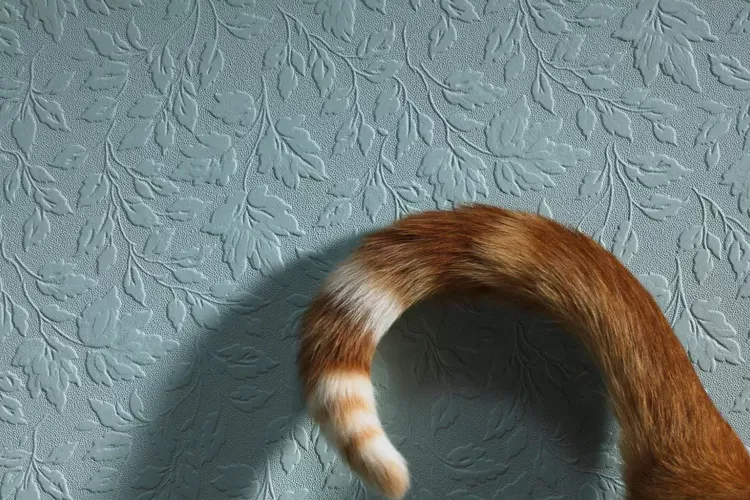
Though active and inquisitive, highlanders aren't particularly vocal. One of the highlander’s favorite pastimes is play, especially games of chase. They tend to wag their short tails when happy and playing, just like a dog.
Affection Level High Friendliness HighKid-Friendly HighPet-FriendlyHighExercise Needs HighPlayfulness HighEnergy Level HighIntelligence HighTendency to VocalizeLowAmount of SheddingMedium
History of the Highlander Cat
The history of the highlander cat began in the 1990s when a U.S. cat breeder set out to create a new breed that resembled big wild cats. The first crosses were between the desert lynx and jungle curl cat breeds, and the new breed was initially called the highlander lynx, though the breed was never recognized by any of the major cat registries.
As time went on, new breeding efforts using domestic cats resulted in today's highlander, part of TICA’s Advanced New Breeds Class, the second level of the Championship Advancement Class Program. Advanced New Breeds can be shown in TICA-sanctioned cat shows, but they do not earn any titles or points. The highlander is not recognized by The Cat Fanciers' Association (CFA).
Highlander Cat Care
Caring for a highlander cat isn’t much different than for other breeds. Give this cat plenty of toys for play and exercise, brush them to keep their coat smooth, and interact with them to show them how much you love them.
Exercise
The highlander cat is naturally active and will get enough exercise by exploring, climbing, and playing if you engage them in short play sessions throughout the day and provide several climbing options like cat trees, kitty condos, and even bookshelves near windows (for a peek at the birds or squirrels outside).
Rotate toys like feather wands, balls that jingle, and toy mice to keep things interesting. Many highlanders love to play chase and fetch.
Provide scratching zones in the house, with vertical scratchers (like tall posts or cat trees) and horizontal scratchers (cardboard or sisal scratchers that lay on the ground).
Shedding
The highlander cat is a moderate shedder. There may be times of the year, such as spring and fall, when the cat sheds more. Brush both the long-haired and short-haired coat types several times a week with a soft slicker brush to remove loose hair and cut down on shedding on your furniture and clothing.
Grooming
Highlander cats come with both short and long coats, so grooming varies depending on coat length, but both benefit from regular brushing sessions.
For the long-haired highlander, pay careful attention to the shaggy belly hair, which is longer than the rest of the coat. Brush or comb this belly fur thoroughly to prevent matting.
Bathe your highlander cat only if necessary, and with a moisturizing shampoo to keep the coat clean, soft, and shiny.
Trim the nails every other week, and look inside the ears weekly. If you see a small amount of dirt or wax in the ears, clean the ears using a cotton ball or gauze square and cat ear cleaner. Never stick anything inside your cat’s ears, including cotton swabs, as you risk damaging the ear drums. If the ears look red, inflamed or very dirty, schedule an appointment to see your veterinarian.
To help prevent tooth and gum problems, brush your cat’s teeth daily or at least several times a week. Only use a toothpaste made for cats—never use human toothpaste to brush your pet’s teeth.
Common Health Problems
Highlander cats have no known breed-specific diseases or other health concerns; however, any cat can become sick or injured or develop a health problem at any age. It’s important for your highlander cat to visit the veterinarian at least once a year for an annual checkup and complete physical to make sure they're healthy—and to find any developing health concerns as early as possible.
Highlander cats, like all cats, might be susceptible to the following health concerns, especially as they get older:
Diabetes: This condition occurs when the body isn’t able to use insulin to reduce blood sugar appropriately. A veterinarian can guide treatment, which may involve insulin shots.
Kidney disease: This general term refers to conditions that impact kidney function. Symptoms include frequent urination, increased thirst, dehydration, and weight loss, among others.
Dental disease: Cats can develop tartar on their teeth, and can also experience tooth resorption. In addition, gum problems like gingivitis can arise. Brushing their teeth can help, as can veterinary care.
Arthritis: This condition develops when the cartilage between bones breaks down. It can happen with age, causing pain and stiffness.
Appearance
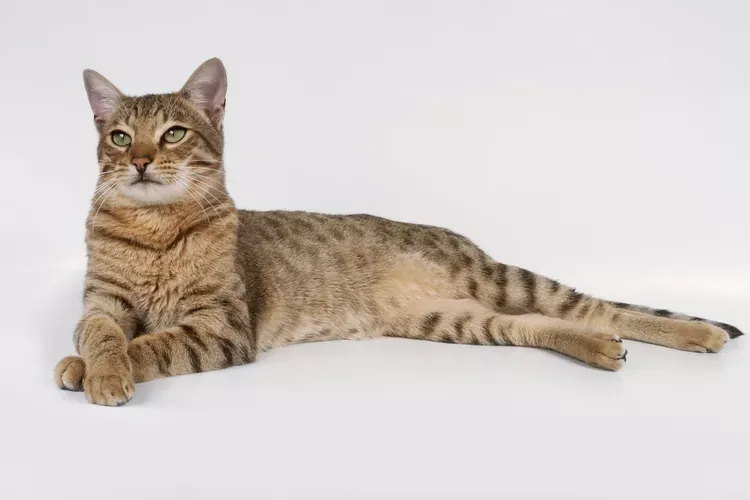
Highlanders are medium- to large-sized cats with muscular bodies, rectangular in shape with a straight back. The hips are higher than the shoulders because of the rear legs being longer than the front legs. Male highlanders are larger than females.
The feet are rounded with large knuckles, and the long-haired variety has toe tufts. The short, thick tail is 1 inch or longer but should not extend below the hock. The tail may be kinked or curled.
The highlander’s head is wide with an inverted pear shape, with a straight to slightly rounded forehead; strong and deep chin; squared muzzle; and a wide nose. In profile, the nose, muzzle, and chin form a straight line. The eyes are slightly flattened or hooded oval shape.
The medium-sized ears are wide at the base and set somewhat on the top of the head. They're firm at the base but flexible at the tips, which are loosely curled (no more than 90 degrees). Some highlanders have ear furnishings and ear tufts.
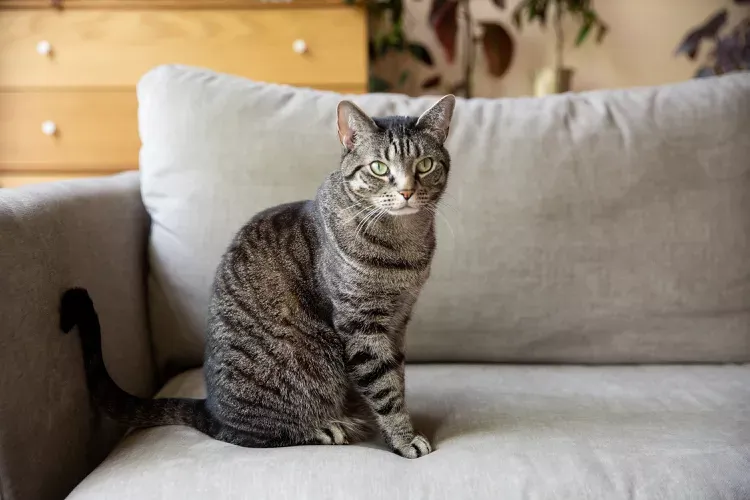
Highlander cats may be any color and come in several patterns, including solid, tortie, tabby, and silver/smoke.
Diet and Nutrition
Because the highlander cat is naturally active and athletically built, they are less inclined to become overweight. But any cat has the potential to overindulge if nutrition is not managed properly. A lean cat is a healthier cat, and staying slim can help prevent the development of obesity-related health issues like diabetes and arthritis.
Don’t keep the food bowl filled all day. Instead, feed adult highlanders two meals a day. Young kittens should eat three to four times a day. Serving measured meals helps prevent overeating. Ask your breeder or veterinarian for advice about the best food for your highlander cat.
Where to Adopt or Buy a Highlander Cat
The highlander cat is a rare breed, and is not yet fully recognized by a major cat registry. For this reason, it might be more difficult to find a highlander than a cat of another breed, but it’s still possible to find a reputable breeder with kittens available.
The International Cat Association lists active highlander breeders on its website. Because highlanders can be exhibited at TICA cat shows, you might be able to meet a breeder and see their cats by attending a show. Check TICA’s website to locate a show near you.
Purebred highlanders are unlikely to end up at animal shelters, but you can check with breeders to see if they know anyone looking to rehome their adult highlander.
Highlander Cat Overview
The highlander cat is meant to resemble big cats in the wild, but there's nothing wild about the breed’s personality. This affectionate, friendly, and people-oriented breed loves to play and hang out with the family. Vocally, the highlander is somewhat quiet, but is likely to follow you around the house as you go about your day. The highlander’s unique appearance, with loosely curled ears and naturally short tail, will make this breed the talk of the neighborhood. Highlanders need a lot of attention and activity to thrive.
Pros of Highlander Cats
Unique and striking looks
Affectionate and friendly
Gets along well with people, kids, and other pets
Cons of Highlander Cats
Sheds moderately
Needs a lot of attention and activity
Doesn’t do well if left alone for long periods
More Cat Breeds and Further Research
If you like the highlander cat, you might also like these cat breeds:
American Curl
Pixie-Bob
Savannah Cat
You can also explore other cat breeds to find your perfect match.


Leave a Reply
Your email address will not be published.