
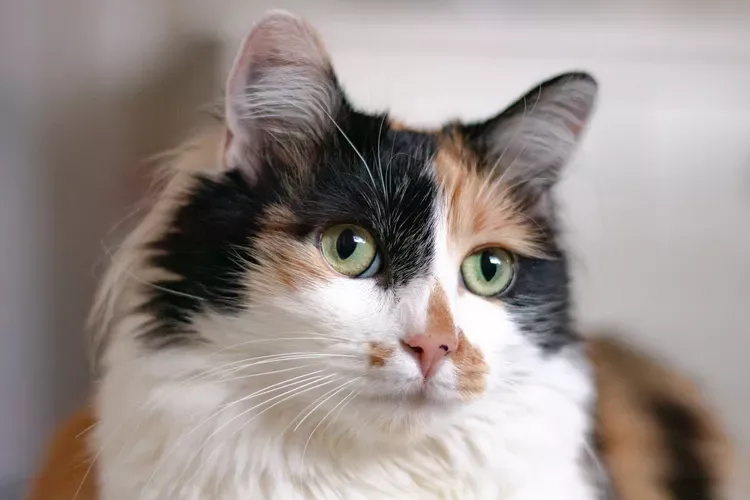
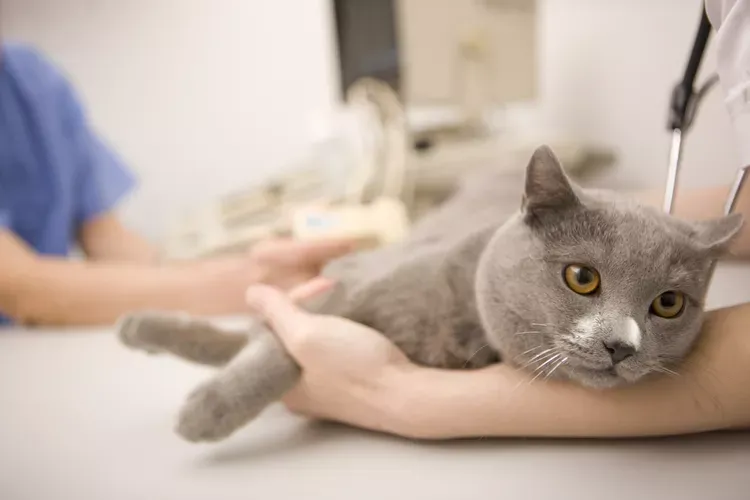
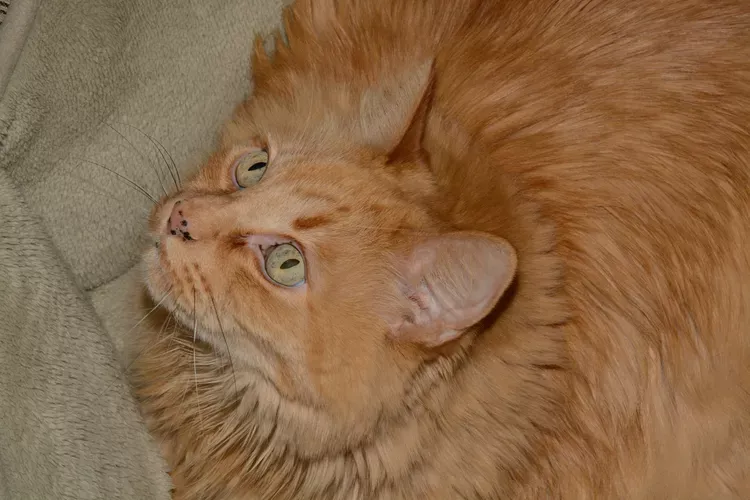
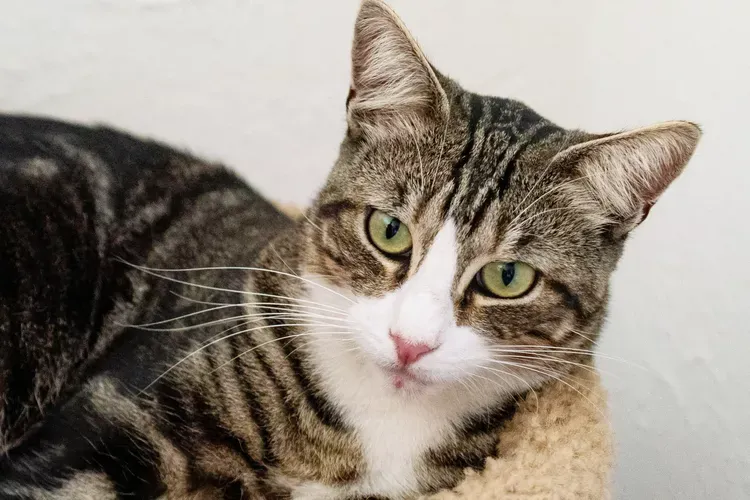
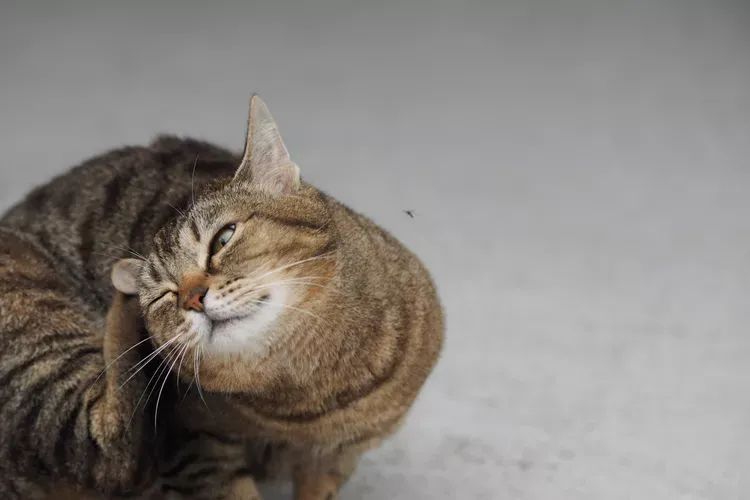
Shedding, or moulting, is a natural process where cats and dogs shed their dead hair to make room for new, healthier hair. Shedding season for dogs and cats typically occurs during spring to make way for a pet’s summer coat, and in autumn to make way for their winter coat.
Shedding in pets is not something that can be stopped, but with our handy tips for shedding season, you can find the perfect way to manage your pet’s moult.
When is Shedding Season?
Dog and cat shedding seasons vary by breed, but most pets tend to see most of their moults occurring in the spring and autumn to make way for their seasonal coats. However, other breeds may shed all year round or barely at all. It’s all down to your pet’s genetics.
The best way to manage your pet’s shedding effectively is to familiarise yourself with their coat type, whether they have a double coat that can cause excessive shedding for dogs or cats or if they barely shed at all.
How to Reduce Moutling in Dogs & Cats
How much your pet sheds will depend predominantly on their breed, as well as the length of their coat and the texture. It’s important to remember that not all pets shed seasonally, but some may instead moult all year round, and others barely at all.
If you’re fighting excessive shedding, here are some tips on managing your pet's shedding while maintaining optimal skin and coat health.
Regular Brushing
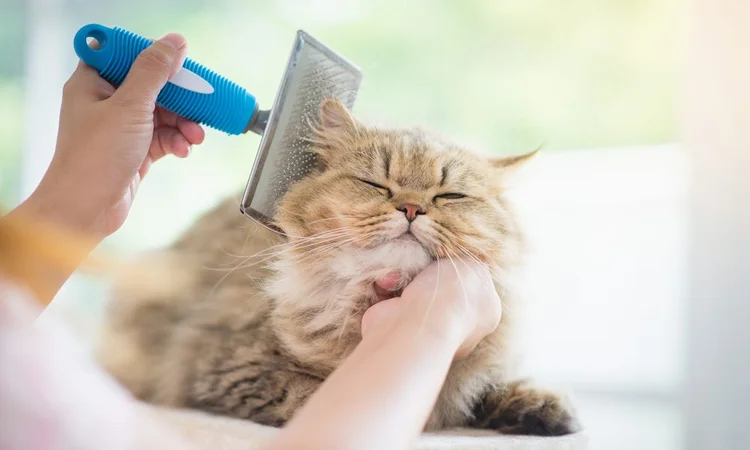
Brushing your pet should already be a part of your regular grooming routine, especially if you have a long-haired or double coated pet, but it can be a lifeline come shedding season.
You should aim to brush your pet for 5-10 minutes,3-4 times weekly. This will help remove dead skin cells and hair and prevent matting in longer-haired breeds.
Which brush you use can make a big impact, so make sure you familiarise yourself with your pet’s coat needs and find the best brush for them.
For shorter coats, aim for a soft-bristled brush like this Mikki Neat & Tidy Ball Pin Brush for Dogs & Cats, whereas longer coats benefit from more spaced-out bristles brushes or combs like this Mikki Anti Tangle Shedding Comb for Dogs & Cats.
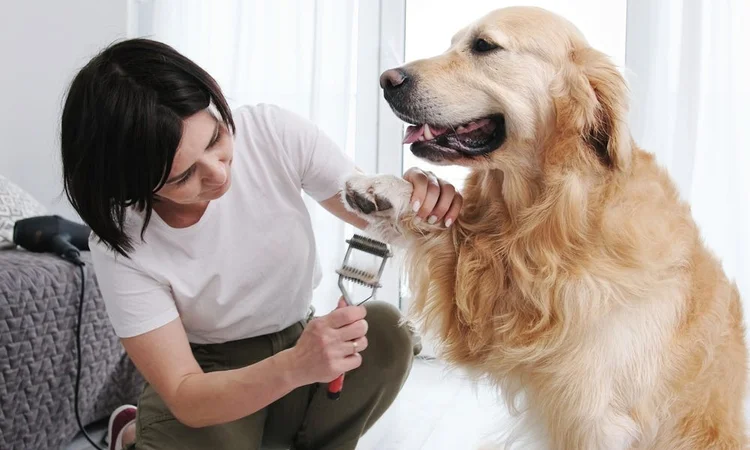
If your pet has a double coat, you can help aid their shed by using an undercoat rake like the Mikki A Good Hair Day Undercoat Rake for Dogs & Cats, which is designed to help remove dead undercoat without damaging your pet’s guard coat on top.
You can also buy pet brushes or gloves made from rubber, like these KONG® ZoomGroom® Brushes for Cats & Dogs. These brushes are designed to both groom and soothe pets when used in a stroking action, making them great for pets not used to grooming or who dislike being groomed.
Regular Bathing (Dogs Only)
Bathing your dog regularly is another great way to help manage their shedding as it helps to remove dead skin and hair cells from their coat.
For most dogs, using your normal dog shampoo is fine, but if your dog has a double coat, we’d recommend using a de-shedding shampoo like the DotDotDog Double Coat Conditioning Shampoo for Dogs. This shampoo promises a deep cleanse down to the skin while still being easy to rinse and made with pet-approved scents to reduce anxiety at bathtime.
Nutritional Diet
Skin and coat health is a must for all pets, especially those with harder to manage coats or who are prone to skin conditions.
Many high-quality dog foods contain the necessary nutrients to maintain a healthy coat, but you can also buy dog food rich with extra vitamins and minerals specifically for your dog’s coat. Foods like the PURINA® PRO PLAN® Sensitive Skin Dry Dog Food and the ROYAL CANIN® Hair & Skin Dry Food for Cats are rich in extra omega-3 & 6 oils as well as Vitamin E, all of which are essential for promoting healthy skin and coat in dogs.
If your dog suffers from any skin condition which is related to their diet, then switching to a lower-allergen or hypoallergenic pet food can work wonders for their skin and coat. Find out more about pet food allergies and intolerances in our blog.
Skin & Coat Supplements
Maintaining a healthy coat starts from the inside. The hairs that make up your pet's coat are made of a protein called keratin. This is the same for cats and dogs, regardless of coat type. This is why ensuring your pet eats a complete and nutritious diet is the first step to promoting healthy skin and coat health.
Some pets, however, may need extra support with their skin and coat, especially during their seasonal shed. By supplementing your pet’s diet with products formulated for their skin and coat, like the COATEX® Essential Fatty Acid Skin and Coat Supplement for Dogs and Cats, you can ensure your pet has all the vital nutrients they need for a healthy shed and optimal skin and coat health. These supplements are suitable for ongoing or targeted use during your pet’s moult or if their coat looks dull or patchy.
For pets with double coats or dogs and cats that shed excessively, you may be better off with a supplement specifically to aid with shedding, like this YuMOV® Skin & Coat Care Moulting for Dogs or the YuMOVE® Skin & Coat Care Moulting for Cats. These are packed full of omega-3 and omega-6 oils to promote a healthy, shiny coat even during seasonal moulting for dogs and cats.
Shedding isn’t optional when it comes to pets. Even cats and dogs that “Don’t shed,” such as Poodles and British Shorthairs, will still shed, just not as much or as often. Whether your pet sheds a lot or a little, maintaining their skin and coat health is a must!


Leave a Reply
Your email address will not be published.