Retail Ecommerce covers digital storefronts, customer experience, payments, logistics, and growth strategies. We spotlight trends in marketplaces, personalization, and fulfillment, plus practical tips for optimizing conversion, retention, and brand trust. Stay ahead with insights that help retailers sell smarter and scale efficiently.
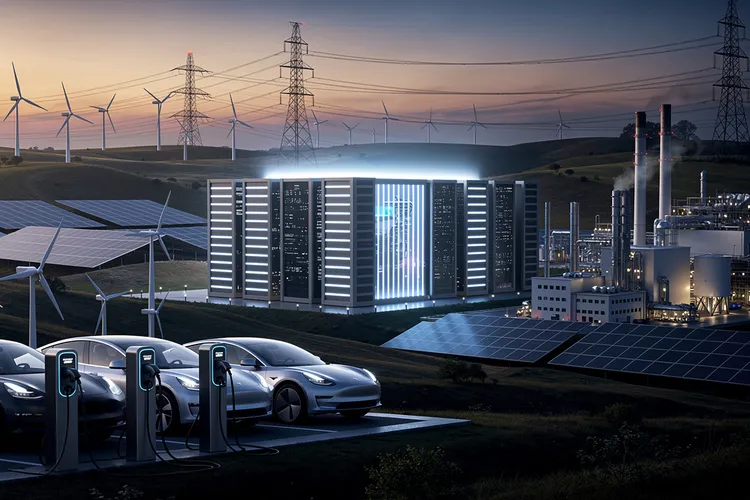
In 2025, surging electricity demand from AI data centers, electric vehicles, and industrial growth is outpacing supply worldwide, straining grids and curbing economic expansion. This leads to production cuts, higher costs, and investment delays across sectors. Bold investments in infrastructure and renewables are essential to mitigate shortages and foster sustainable growth.
OpenAI has hired Shopify veteran Glen Coates to lead its ChatGPT app platform, focusing on integrations for commerce and productivity. This move supports partnerships with retailers like Shopify, Etsy, and Walmart, aiming to create an AI-driven ecosystem. Amid talent acquisitions and ethical challenges, it positions OpenAI to redefine digital interactions.
NASA has begun openly acknowledging fundamental questions about the Space Launch System rocket's long-term viability as mounting costs exceeding $2 billion per launch and rapid commercial alternatives threaten the agency's most expensive program, marking a pivotal moment in American space policy.
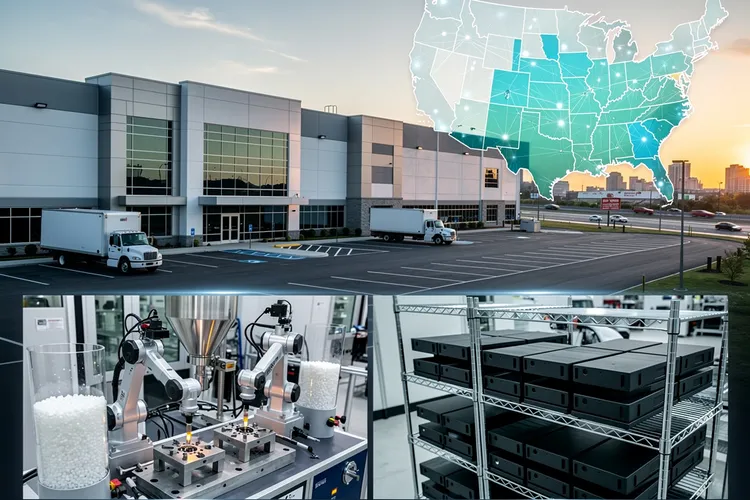
Foxconn is investing $173 million in a new consumer electronics manufacturing facility in Louisville, Kentucky, creating 180 jobs focused on injection molding and tooling. Set to open in Q3 2026, this "Made in America" initiative aims to diversify supply chains amid global tensions, though it's more modest than past U.S. ventures.
Nvidia is considering ramping up H200 chip production to meet surging demand from Chinese firms like Alibaba and ByteDance, following U.S. export approvals with a 25% fee. This move balances revenue opportunities against geopolitical risks, supply chain constraints, and China's push for domestic alternatives. The decision could reshape global AI hardware dynamics.
Copper prices have surged to record highs around $5.29 per pound in late 2025, driven by U.S. stockpiling amid tariff fears, AI and renewable energy demand, and supply disruptions despite global surpluses. This paradox fuels market volatility, with forecasts predicting sustained deficits and higher prices through 2026.
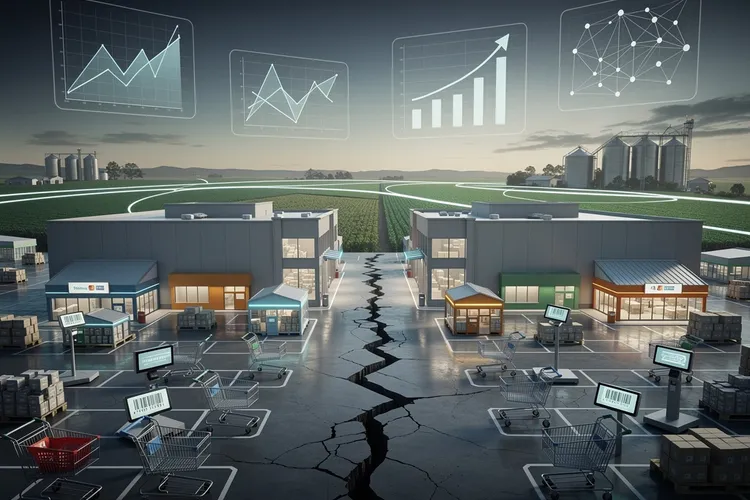
Australia's Coles and Woolworths confront 2026 price-gouging bans and competition reforms that could end their duopoly reign. Experts predict overhauls amid new entrants like LuLu Group, farmer protections, and public backlash.
Amazon teams with Sam Altman and JPMorgan-backed Slope to provide up to $5 million in rapid loans to U.S. sellers, leveraging platform sales data for AI-driven approvals amid post-holiday restocking needs.
Albertsons Media Collective's Add-It technology enables one-click cart additions from offsite ads, tackling retail media's conversion woes. With expansions to CTV and social planned, it's poised to boost advertiser ROI amid fierce competition.
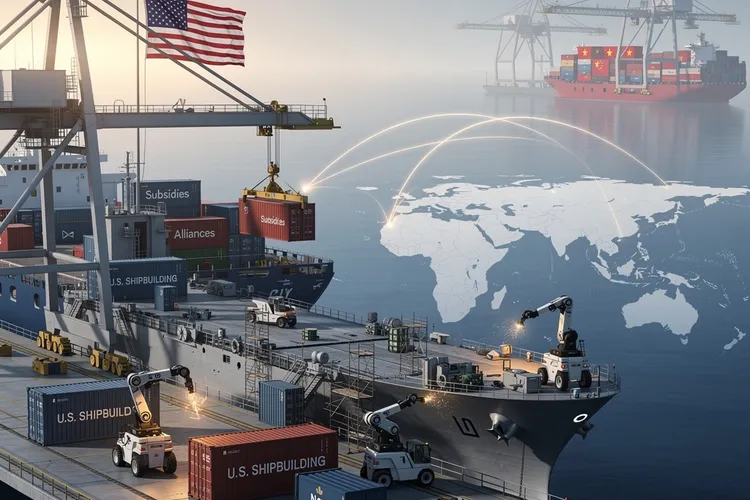
President Trump's 'Make U.S. Shipbuilding Great Again' drive targets China's dominance through fees, subsidies and alliances, promising a manufacturing renaissance with Navy contracts and bipartisan support amid Pacific tensions.
A recent study reveals Instacart's AI-driven dynamic pricing causes up to 23% variations for identical groceries based on user data like purchase history, sparking accusations of surveillance pricing and inequality. Critics demand transparency, while the company defends it as standard retail testing. This trend highlights broader concerns in digital commerce.
Samsung has doubled DDR5 memory contract prices to over $20 per unit due to shortages and production shifts toward profitable lines amid surging AI demand. This move, amid global supply chain tensions, is expected to raise costs for PCs, smartphones, and other devices in 2026.