Retail Ecommerce covers digital storefronts, customer experience, payments, logistics, and growth strategies. We spotlight trends in marketplaces, personalization, and fulfillment, plus practical tips for optimizing conversion, retention, and brand trust. Stay ahead with insights that help retailers sell smarter and scale efficiently.
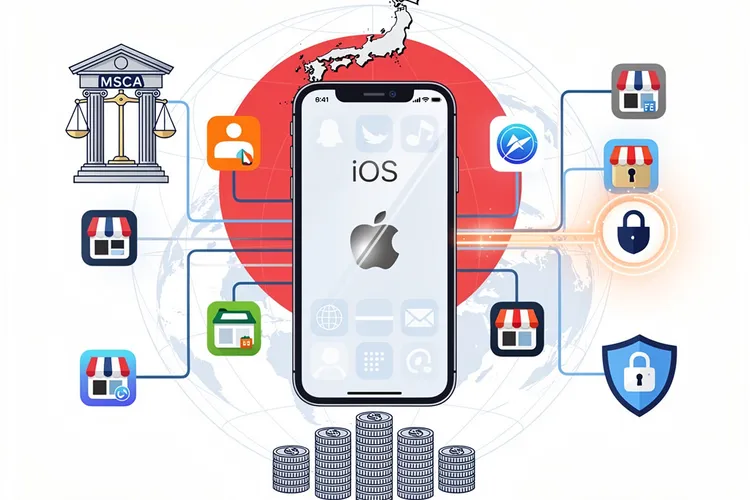
Apple overhauls iOS in Japan with alternative app stores, external payments and default app choices to comply with the MSCA antitrust law, introducing new fees while bolstering security amid global regulatory pressures.
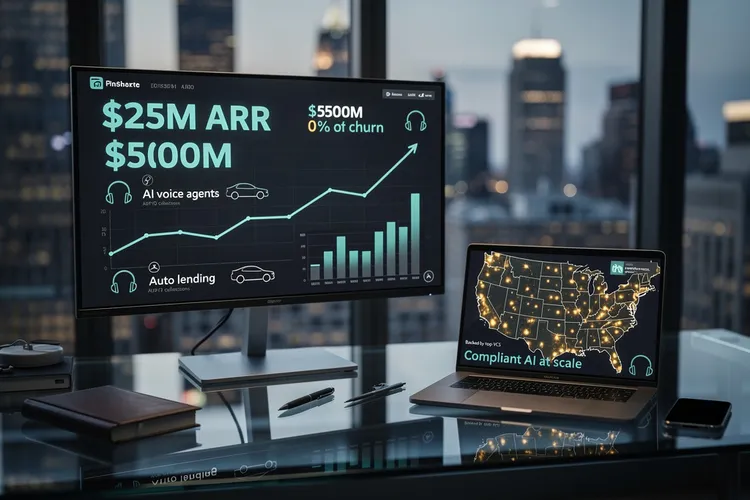
Salient's AI voice agents have driven $25M ARR and $500M valuation in two years with zero customer churn, revolutionizing loan collections for auto lenders. Backed by top VCs, the startup proves compliant AI can thrive amid sector turbulence.
AWS CEO Matt Garman signals at least a decade more of intensive data center expansion, driven by AI workloads that demand unprecedented power and infrastructure. The comments highlight how cloud providers face sustained capital intensity amid supply constraints and competitive pressure.
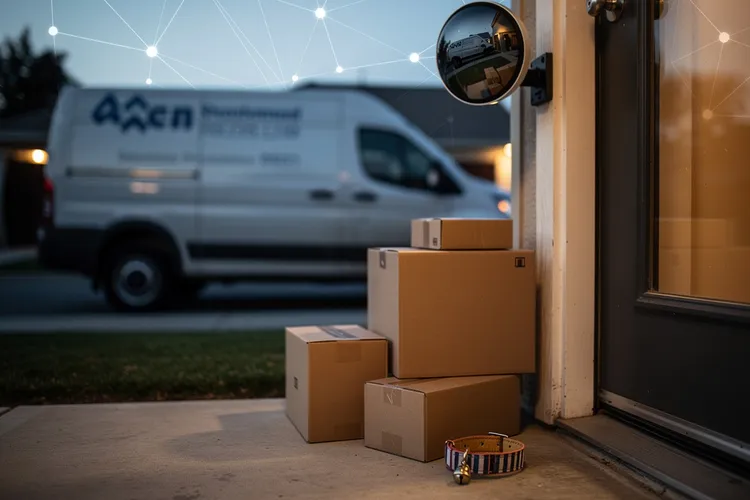
An Amazon Flex driver in Lakewood, California, was caught on video stealing family cat Piper during a delivery, prompting Amazon's ban and a desperate search. The incident exposes gig delivery risks amid e-commerce boom.
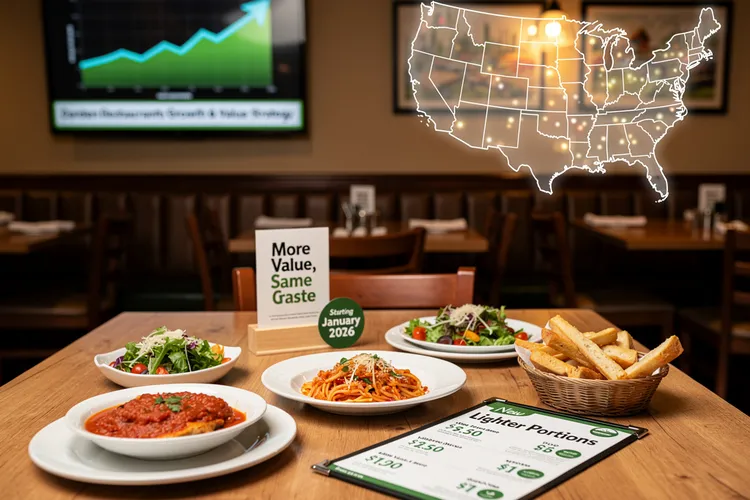
Olive Garden plans a nationwide January 2026 rollout of lighter, cheaper portions after successful tests boosted satisfaction and sales. Darden Restaurants eyes sustained growth amid value demands, crediting CEO Rick Cardenas's strategy for shielding margins.
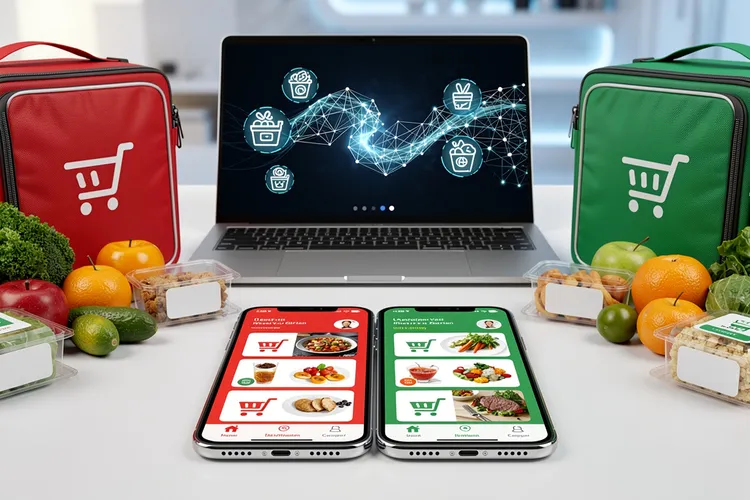
DoorDash counters Instacart's ChatGPT grocery tool with its own AI shopping app, enabling recipe-to-delivery in one interface. This partnership escalates competition in on-demand services, leveraging OpenAI for seamless commerce.
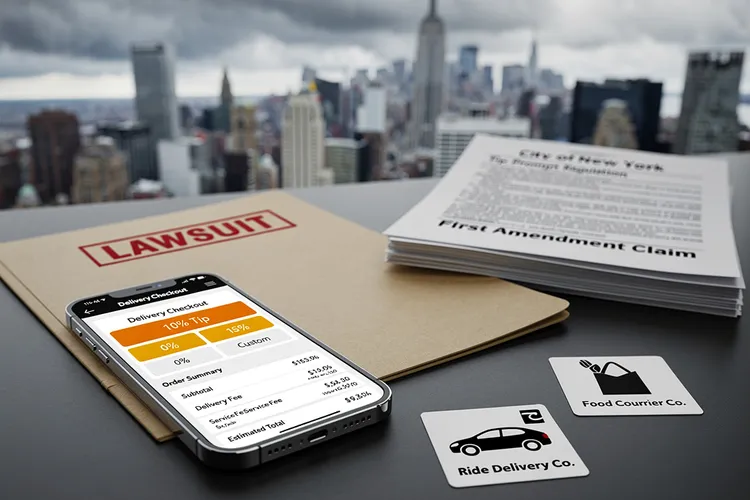
Uber and DoorDash sue NYC over a law mandating 10% default tip prompts at checkout, claiming First Amendment violations. The fight follows wage hikes that spiked fees and slashed tips, highlighting tensions in the $40 billion delivery sector.
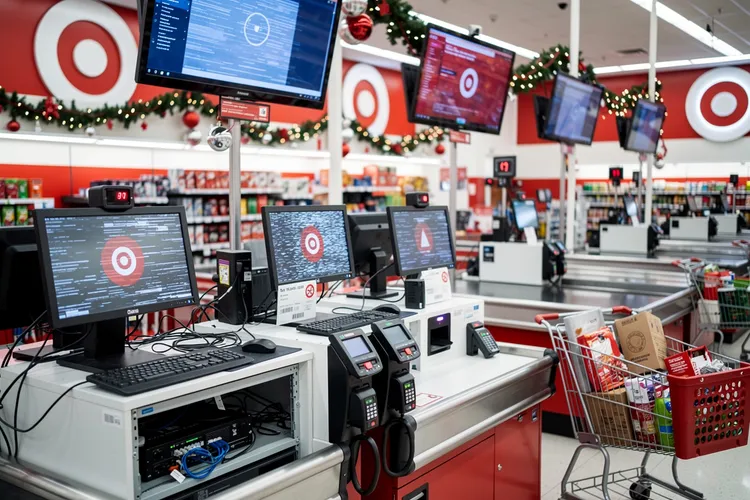
In late December 2025, Target Corp. suffered a major system outage disrupting stores, apps, and online services amid peak holiday shopping, causing frozen registers, long lines, and halted orders. This internal failure led to estimated revenue losses and eroded trust. The incident highlights vulnerabilities in retail tech infrastructure.
Instacart agreed to a $60 million FTC settlement over deceptive practices, including misleading subscription enrollments, hidden fees, and denied refunds. The deal mandates refunds for affected users and clearer interfaces. This highlights regulatory scrutiny on gig economy tactics, potentially setting precedents for other platforms.
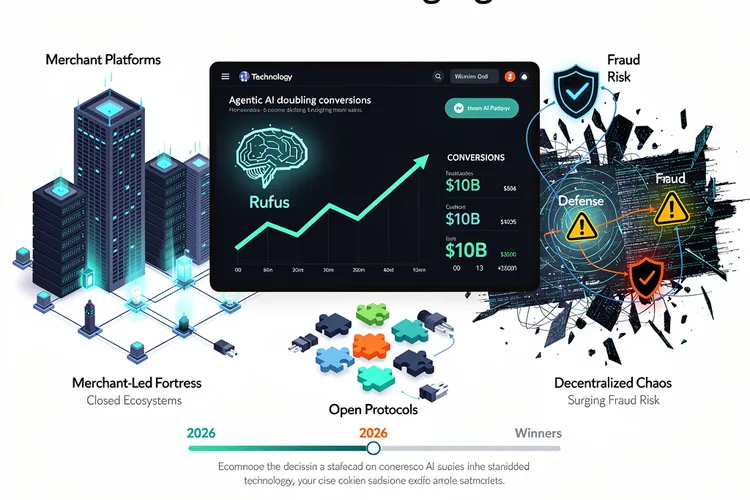
Agentic AI like Amazon's Rufus is doubling conversions and eyeing $10B in sales, but retailers confront merchant-led fortresses, collaborative protocols, and decentralized chaos amid surging fraud risks. Industry standards and defenses will decide winners in 2026.
Costco's business model mirrors Netflix's subscription-driven approach more than Walmart's traditional retail, relying on membership fees for 73% of operating income while keeping product margins low. This fosters loyalty and exclusivity, with strategies like membership crackdowns boosting revenue. Ultimately, it positions Costco for enduring success in evolving markets.
Tech products increasingly lock core features behind subscriptions, turning ownership into "subscription captivity" for recurring revenue. From alarm clocks to cars, this shift sparks consumer backlash, regulatory scrutiny, and calls for true ownership. Ultimately, balancing innovation with consumer rights will shape the future.