Retail Ecommerce covers digital storefronts, customer experience, payments, logistics, and growth strategies. We spotlight trends in marketplaces, personalization, and fulfillment, plus practical tips for optimizing conversion, retention, and brand trust. Stay ahead with insights that help retailers sell smarter and scale efficiently.
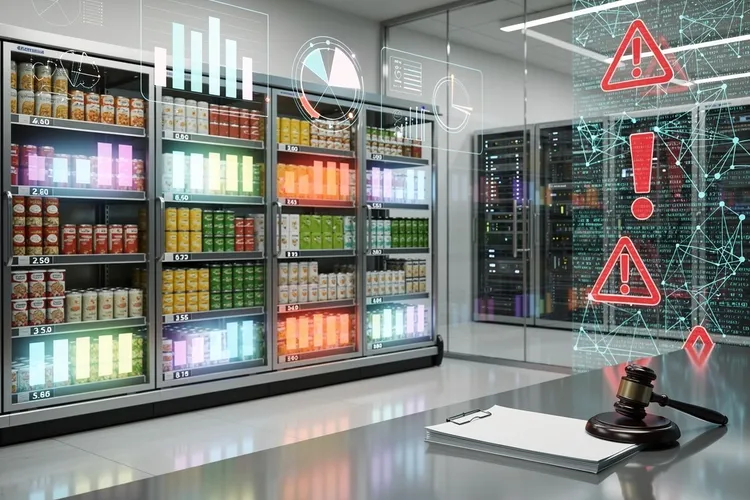
Instacart experimented with AI-driven dynamic pricing, charging varying amounts for identical groceries based on user data, sparking outrage over transparency and fairness. Investigations revealed markups up to 23%, leading to FTC scrutiny and a $60 million settlement. The company halted the program, highlighting ethical risks in AI retail applications.
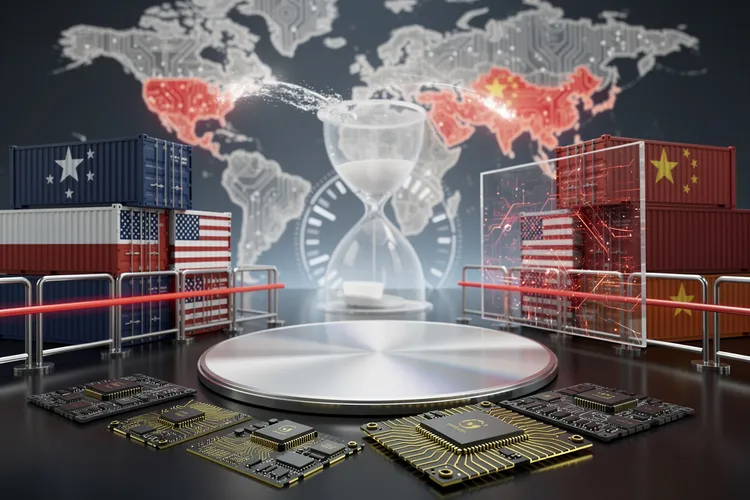
The US plans to impose tariffs on Chinese semiconductor imports starting in mid-2027, following an investigation into China's unfair trade practices. This delayed strategy, influenced by a Trump-Xi truce, aims to reduce dependency while allowing time for domestic adjustments. It signals ongoing efforts to counter China's chip dominance amid trade tensions.
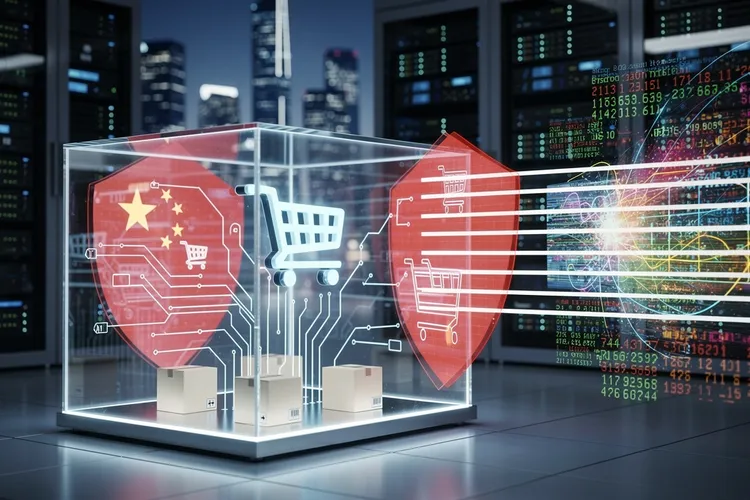
China has introduced new regulations banning e-commerce platforms from forcing merchants to offer the lowest prices or using algorithms to manipulate consumer behavior unfairly. Effective April 10, 2026, these rules aim to protect sellers, promote transparency, and foster sustainable growth in the digital economy.
Apple's M5 processors will leverage advanced chip packaging techniques to deliver unprecedented performance gains while addressing thermal challenges. The new 2.5D and 3D packaging architectures promise cooler operation, sustained peak performance, and enhanced capabilities for professional users.
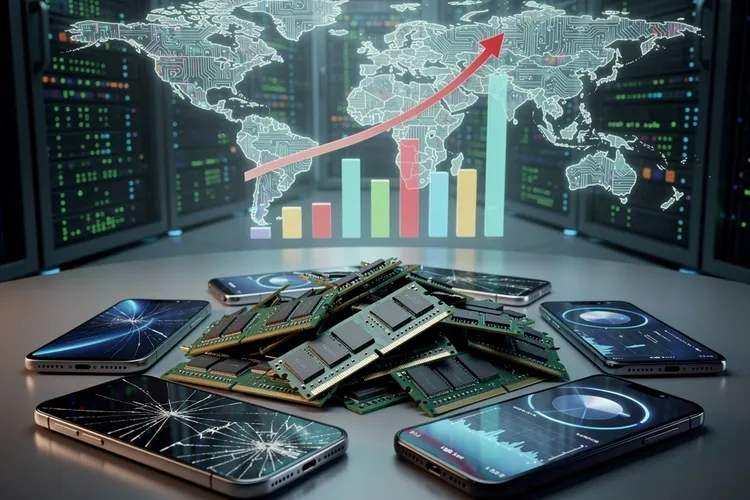
A global RAM shortage, driven by surging AI demand, is expected to raise smartphone prices by 6.9% in 2026 while shipments drop 2.1%. Manufacturers like Apple and Samsung face higher costs, potentially reducing specs or passing hikes to consumers. This crisis highlights vulnerabilities in tech supply chains, persisting into 2027.
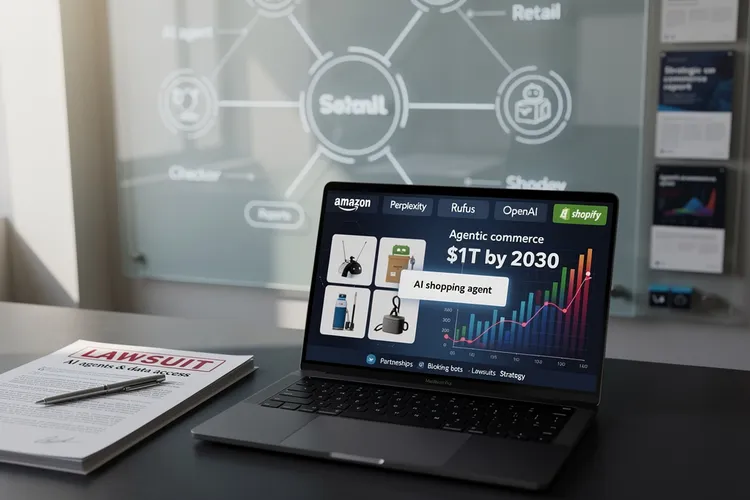
Amazon grapples with blocking AI shopping agents or partnering amid lawsuits against Perplexity and tools like Rufus. Rivals OpenAI and Shopify advance agentic commerce, projected at $1T by 2030, forcing strategic shifts detailed in recent reports.
A U.S.-brokered peace pact initialed in August 2025 between Armenia and Azerbaijan aims to resolve the Nagorno-Karabakh conflict through border delimitation, corridors, and diplomacy. Recent endorsements from Turkey signal progress amid ratification hurdles.
The smartphone industry faces a 2026 memory shortage driven by AI demand diverting DRAM and NAND production, as seen in Xiaomi's 17 Ultra price hikes and spec adjustments. Analysts predict rising costs, reduced shipments, and potential downgrades for Samsung and Apple devices. This crisis may stifle innovation and reshape market strategies.
AI's growing demand for high-performance memory chips is diverting production from consumer devices, causing shortages for smartphones and PCs by 2026. This could lead to higher prices, reduced specifications, and sales declines of up to 8.9% for PCs, per IDC reports. Mitigation efforts like new fabs may ease the crunch by 2027.
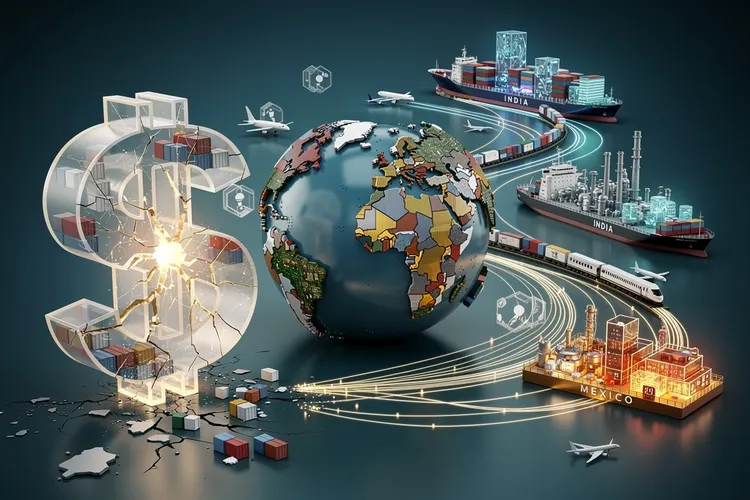
In 2025, U.S. trade dominance erodes under Trump's aggressive tariffs, prompting global nations to diversify supply chains, accelerate de-dollarization, and form new alliances. Emerging markets like Mexico and India benefit, reshaping geopolitics. This self-inflicted shift fragments the world economy, favoring adaptable players over isolationism.
Brian Niccol, Starbucks' CEO since 2024, implemented reforms in 2025 to reverse sales declines, including the "Back to Starbucks" campaign, dress code updates, store closures, menu simplifications, and AI tools. Amid labor tensions and union pushback, these changes sparked debate but aimed for long-term growth and efficiency.
In a historic shift, silver prices have exceeded crude oil's on a per-unit basis for the first time in over 40 years, reaching $79 per ounce versus $57 per barrel. Driven by surging industrial demand for renewables and supply constraints, this reversal highlights the green economy's rise over fossil fuels. Investors are adapting strategies amid geopolitical uncertainties.