Retail Ecommerce covers digital storefronts, customer experience, payments, logistics, and growth strategies. We spotlight trends in marketplaces, personalization, and fulfillment, plus practical tips for optimizing conversion, retention, and brand trust. Stay ahead with insights that help retailers sell smarter and scale efficiently.
Samsung warns that TV prices will rise due to AI's high demand for memory chips, causing shortages for consumer electronics. As AI prioritizes high-bandwidth memory, costs for standard chips spike, affecting TVs, smartphones, and more. This profit paradox benefits chip divisions but burdens consumers with higher prices.
Google's Gemini AI is evolving into a virtual shopping assistant, enabling users to browse, compare, and purchase products via natural-language chats within the app. Partnering with retailers like Walmart and Shopify, it introduces "agentic shopping" for seamless transactions. This innovation aims to transform e-commerce amid rising AI competition.
Apple has launched Apple Creator Studio, a $12.99/month subscription bundling apps like Final Cut Pro and Logic Pro with exclusive AI features for creators. This shift from one-time purchases aims to compete with Adobe's Creative Cloud, offering value but sparking mixed reactions over subscription fatigue and feature gating.
Apple is facing a critical shortage of glass cloth, essential for chip production, driven by surging AI demands that strain global supply chains. This scarcity, projected to last until 2027, risks delaying products and raising prices. The company is exploring alternatives amid geopolitical tensions and industry-wide disruptions.
Saks Global's Chapter 11 filing exposes the perils of its $2.7 billion Neiman Marcus deal, crushed by debt, vendor cutoffs and luxury weakness. With $1.75 billion in financing, stores stay open as closures loom and restructuring begins.
A 2026 global RAM shortage, driven by AI data centers' massive demand, is escalating prices and disrupting the AI PC market, potentially shrinking it by 5-9%. Manufacturers are prioritizing enterprise needs, forcing AI PC redesigns and tempering hype. This could foster efficient innovations amid scarcity.
Google is countering OpenAI in AI commerce by forgoing transaction fees on Gemini chatbot purchases, instead monetizing through retailer ads. This ad-centric model leverages Google's search ecosystem and partnerships like Walmart and Shopify to dominate agentic shopping. It positions Google as a retailer-friendly rival, potentially reshaping online retail dynamics.
Fast-food chains are rapidly deploying AI voice systems at drive-thrus to cut errors, boost speed, and personalize orders. From McDonald's 2026 push to Papa Johns' Google partnership, this technology promises efficiency gains amid labor challenges, though early hiccups and customer reactions persist.
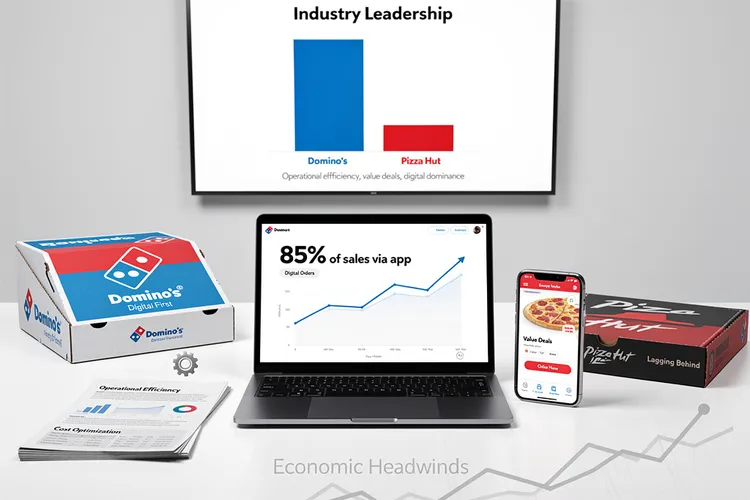
Domino's Pizza has reclaimed industry leadership via digital dominance, value deals, and operational efficiencies, outpacing rivals like Pizza Hut amid economic headwinds. Tech investments drive 85% of sales through apps.
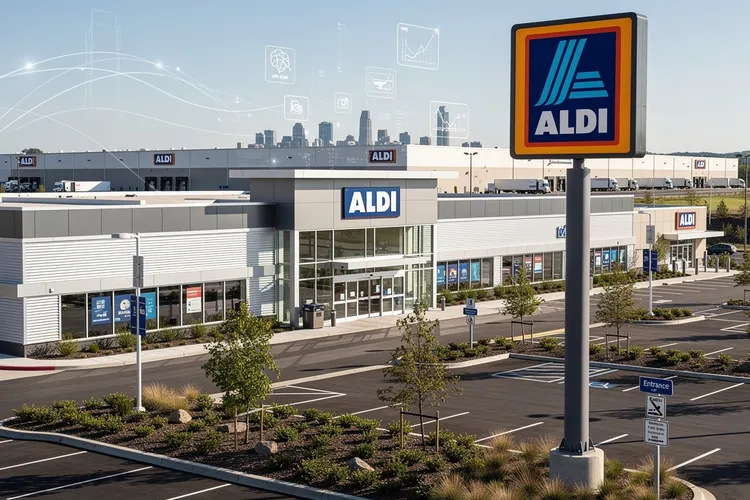
Aldi accelerates U.S. expansion with 180 new stores in 2026, targeting 3,200 locations by 2028 amid shopper shift to discounters. New distribution centers and digital upgrades fuel the growth strategy.
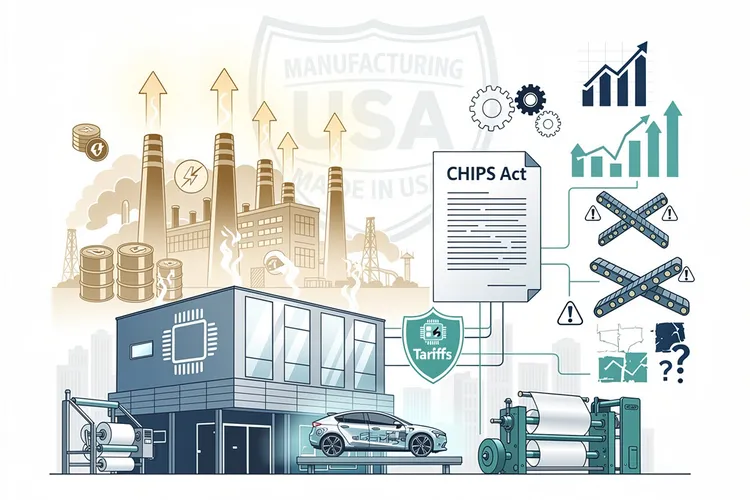
America's postwar manufacturing boom was a fluke driven by unique global dominance and cheap energy. Today's reshoring in chips, EVs and textiles via CHIPS Act and tariffs creates high-skill jobs but faces labor shortages and investment hurdles, defying nostalgic revival dreams.
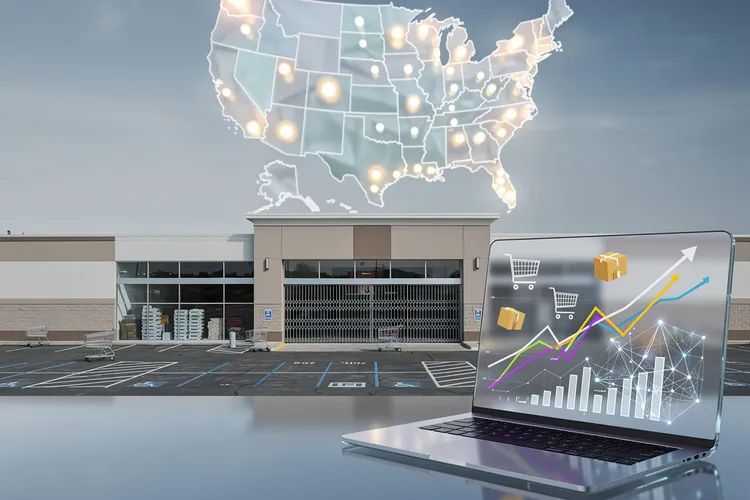
Macy's shutters 14 stores in 12 states in 2026 under its Bold New Chapter plan, sparing Ohio after prior cuts. The strategy drives stock gains and reinvests in 350 locations amid digital shifts.