Retail Ecommerce covers digital storefronts, customer experience, payments, logistics, and growth strategies. We spotlight trends in marketplaces, personalization, and fulfillment, plus practical tips for optimizing conversion, retention, and brand trust. Stay ahead with insights that help retailers sell smarter and scale efficiently.
Amazon CEO Andy Jassy revealed that Trump's tariffs are driving up product prices on the platform as sellers deplete pre-tariff inventories and pass on higher import costs. While some absorb expenses, others raise prices, testing Amazon's competitive model amid broader economic pressures. The full impact on consumers in 2026 remains uncertain.
Sony has partnered with TCL, ceding majority control (51%) of its Bravia TV and audio business in a joint venture announced January 20, 2026, with full transition by 2027. This combines Sony's tech expertise with TCL's manufacturing to boost competitiveness and profitability. The move reflects industry trends toward strategic alliances.
Amazon CEO Andy Jassy envisions AI transforming retail by replicating physical store serendipity, amid competition from rivals' AI shopping agents. Amazon is negotiating a $10 billion investment in OpenAI, tied to chip usage, while developing in-house tools like "Buy For Me" to maintain dominance. This strategic pivot aims to blend innovation with partnerships for future AI-commerce leadership.
T-Mobile's January 2026 Better Value plan offers families $140 for three lines with unlimited 5G data, streaming perks, and a five-year price lock, promising over $1,000 in savings versus rivals. It includes device deals and bundles, aiming to boost retention amid economic pressures and industry competition.
California has ended a 25-year drought, with no areas classified as dry for the first time since 2001, thanks to record winter storms boosting reservoirs to 119% of average and enhancing snowpack. This relief highlights climate volatility, urging strategic water management for future resilience.
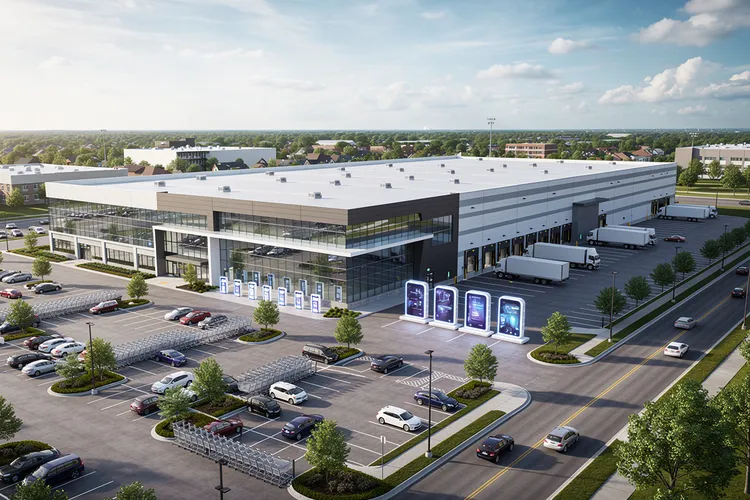
Amazon is planning a massive 230,000-square-foot hybrid store in Orland Park, Illinois, blending retail space for groceries and merchandise with a fulfillment center for online orders. Approved by local officials, it features tech integrations like kiosks for seamless shopping. This ambitious project aims to rival Walmart while boosting local jobs, despite traffic concerns.
In 2026, millions of Americans, especially Gen Z and millennials, join "No-Buy January" to curb nonessential spending amid inflation and economic uncertainty. Sparked by social media, the movement fosters financial resets through personal challenges and restraint. It signals a shift toward mindful consumption, challenging retail norms and building long-term habits.
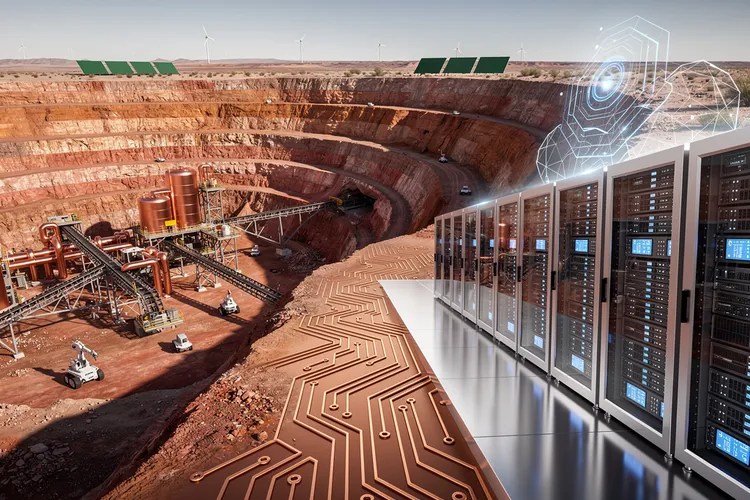
AWS has partnered with Rio Tinto for a two-year supply of copper from Arizona's Johnson Camp mine, using innovative Nuton bioleaching technology to meet AI data center demands sustainably. AWS provides cloud analytics to optimize mining, fostering a symbiotic tech-mining alliance that addresses resource shortages and reduces emissions.
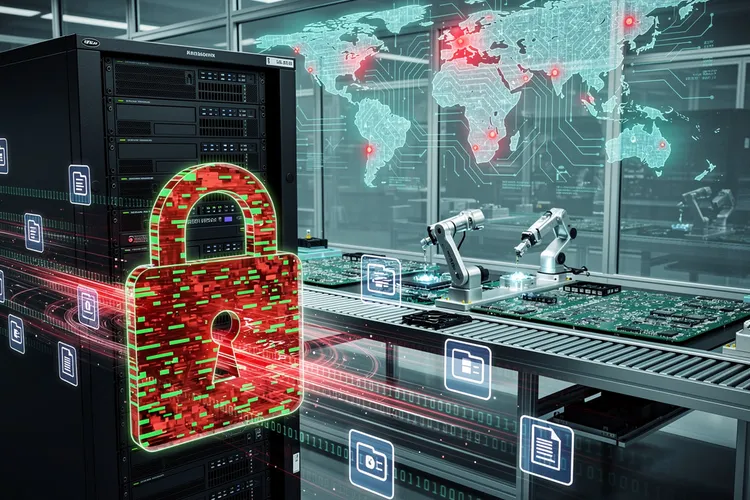
A ransomware attack by RansomHub on Apple's supplier Luxshare stole over 1TB of sensitive data, including schematics and plans for unreleased products from 2019-2025. This breach exposes supply chain vulnerabilities, risking Apple's competitive edge to competitors and counterfeiters. It underscores the need for enhanced cybersecurity measures across global manufacturing networks.
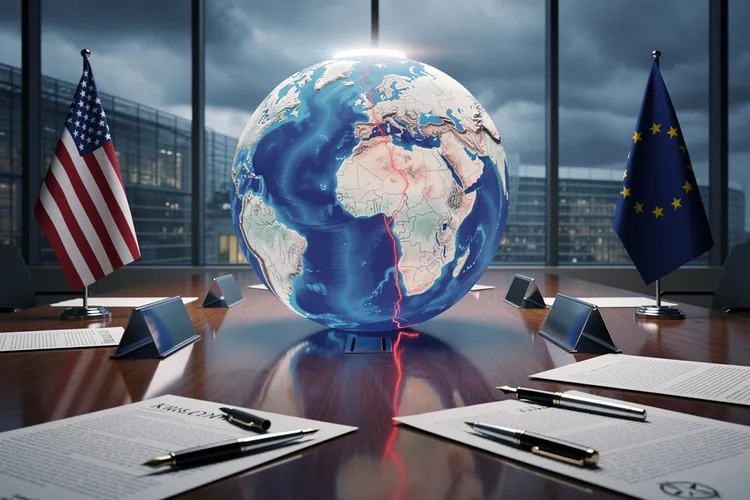
European lawmakers suspended a major US trade deal on January 21, 2026, in response to President Trump's aggressive demands to acquire Greenland and tariff threats against Europe. This escalates transatlantic tensions, impacting billions in commerce and straining NATO alliances. The move signals Europe's defiance against perceived US coercion.
The Trump administration is fast-tracking permits for deep-sea mining to extract critical minerals like nickel and cobalt from international waters, aiming to boost U.S. battery production and reduce reliance on China. Despite environmental alarms over marine ecosystem damage and international opposition, this move seeks to reshape global supply chains for renewable energy.