
Bybit’s MyBank Gambit: Crypto’s Bold Leap into Fiat Banking
Bybit plans February launch of MyBank accounts with IBANs for 18 fiat currencies, enabling seamless fiat-to-crypto conversions amid U.S. expansion talks and post-hack recovery.
Emerging Tech focuses on breakthrough innovations—AI, robotics, biotech, and next‑gen computing—highlighting the ideas shaping how we live, work, and build.
Bybit plans February launch of MyBank accounts with IBANs for 18 fiat currencies, enabling seamless fiat-to-crypto conversions amid U.S. expansion talks and post-hack recovery.
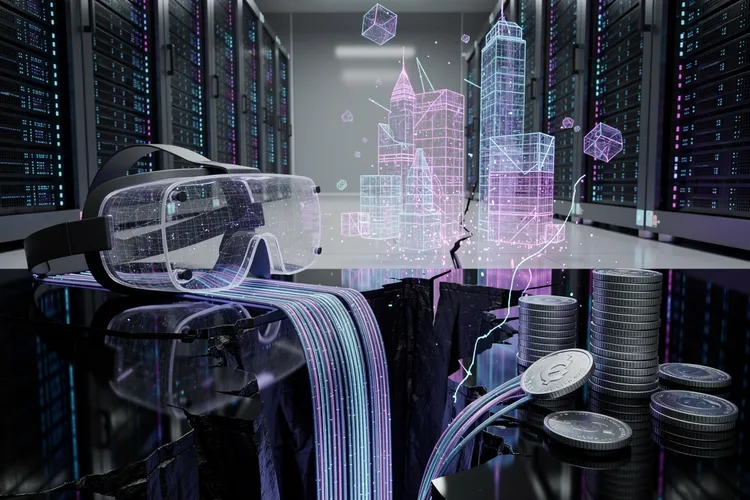
Meta's Reality Labs division lost $19 billion in 2025, continuing a spending spree that has now exceeded $60 billion since 2020. Despite investor pressure and tepid consumer adoption, CEO Mark Zuckerberg remains committed to building the metaverse infrastructure.

Walking represents legitimate cardiovascular exercise when performed with appropriate intensity and duration, producing physiological adaptations comparable to other aerobic activities. This comprehensive analysis examines the science behind walking as cardio, intensity variables, duration recommendations, and evidence-based health outcomes that validate walking's role in comprehensive fitness programs.
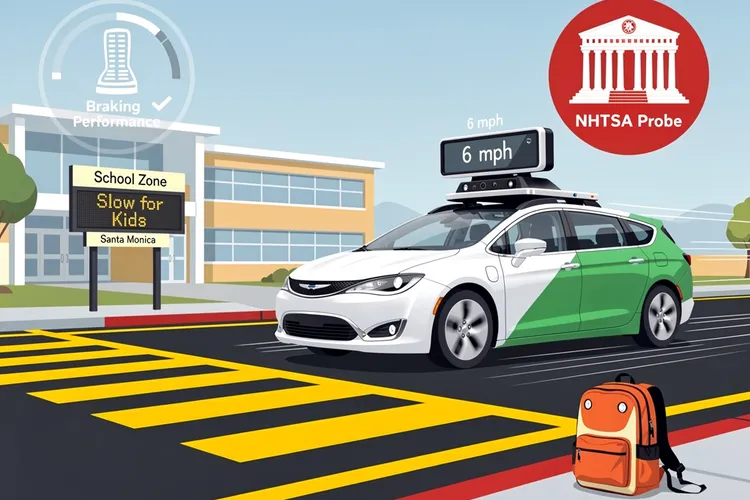
A Waymo robotaxi struck a child at 6 mph near a Santa Monica school on Jan. 23, causing minor injuries and sparking an NHTSA probe into school-zone caution. Waymo claims superior braking to humans amid ongoing bus-passing investigations.
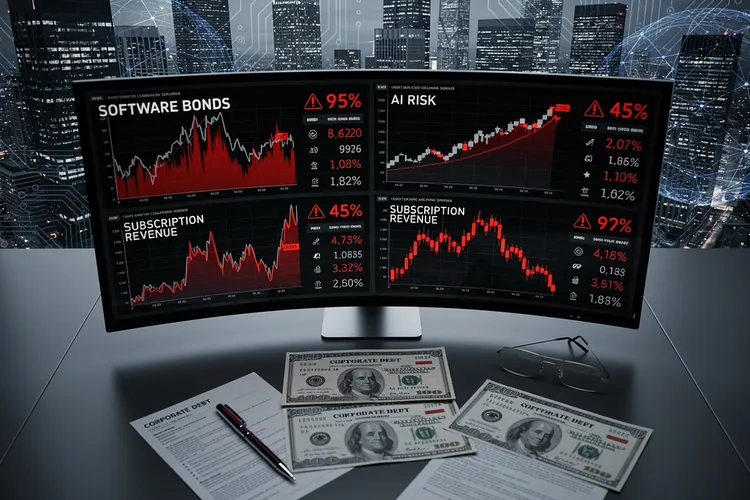
Software company bonds are experiencing sharp declines as investors grow increasingly concerned about AI's potential to disrupt traditional business models. The sell-off reflects anxiety about whether subscription-based software firms can maintain revenue streams as AI-powered alternatives emerge, creating unprecedented uncertainty in corporate debt markets.
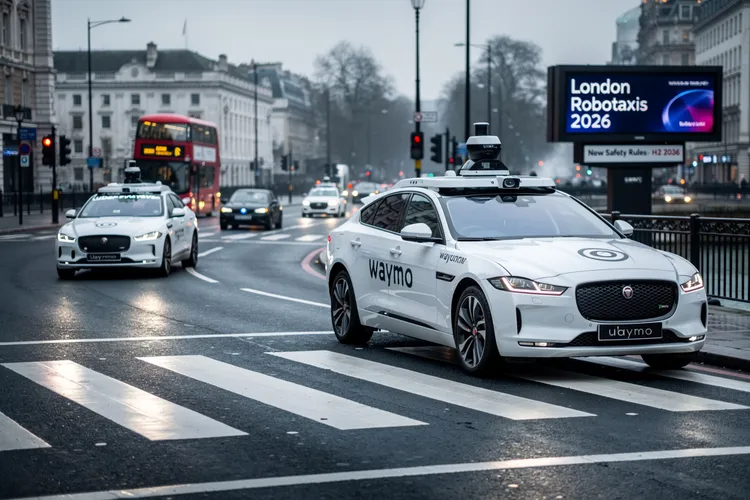
Waymo targets September 2026 for London robotaxis after April pilots, amid UK regulatory shifts in H2 2026. Jaguar fleets map zebra crossings as rivals like Uber-Wayve and Baidu circle, promising safety gains but facing public skepticism.

YouTube announces aggressive new measures to combat AI-generated content flooding the platform, implementing detection systems to identify and remove low-quality synthetic videos while attempting to preserve legitimate creative uses of AI tools in content production.

Google has unveiled an AI agent capable of autonomous web browsing, marking a pivotal shift from passive digital assistants to active task executors. This development intensifies competition in agentic AI while raising critical questions about privacy, security, and the future of digital labor markets.

Microsoft's disclosure of a $7.6 billion investment in OpenAI represents one of the largest capital deployments in AI history, bringing total commitments beyond $13 billion. The move underscores the tech giant's determination to dominate artificial intelligence despite mounting questions about profitability timelines and intensifying competitive pressure.
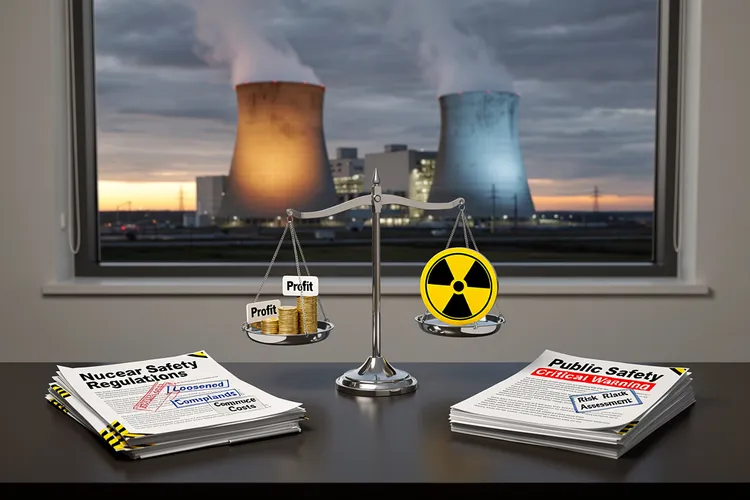
The Trump administration's Energy Department has loosened nuclear safety regulations, sparking fierce debate between industry advocates who welcome reduced compliance costs and safety experts who warn the changes prioritize profits over public protection in America's atomic energy sector.
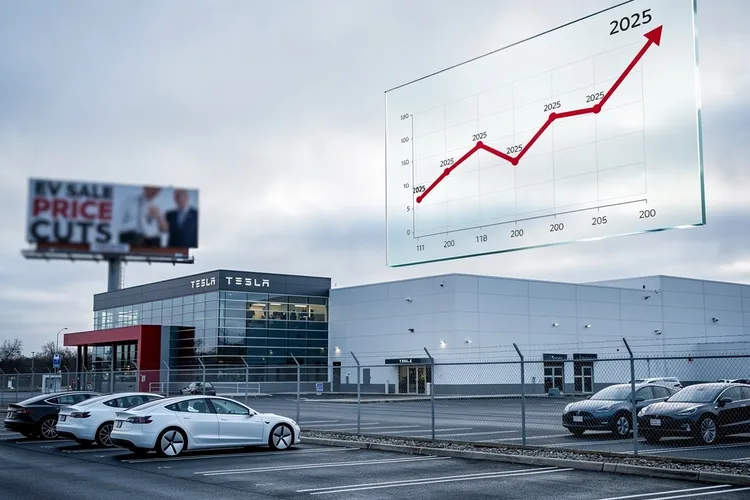
Tesla reported its first-ever annual revenue decline in 2025, marking a historic turning point for the electric vehicle pioneer. The downturn reflects mounting competition, pricing pressures, and strategic challenges as the company transitions from growth-stage disruptor to mature manufacturer.

Political journalist Stephen Pollard's Apple Watch detected a life-threatening heart condition through a high heart rate alert, transforming theoretical promises of wearable health monitoring into concrete reality and raising profound questions about consumer technology's expanding role in healthcare.
Advertisement
category-ad-01