




Key Takeaways
Heartworm disease in cats, though less common than in dogs, can be fatal and often presents with subtle or sudden, severe symptoms.
Diagnosis in cats is challenging due to low worm counts and false negatives, making regular screening critical.
Prevention is far easier than treatment—monthly vet-prescribed heartworm preventatives are essential for all cats, including indoor ones.
Although it's true that dogs get heartworms more often than cats, heartworms in cats can be very dangerous and have limited treatment options. Feline heartworm disease is often overlooked and misunderstood.
Here, we’ll cover the symptoms, causes, diagnosis, treatment, and prevention of heartworms in cats.
What Are Heartworms in Cats?
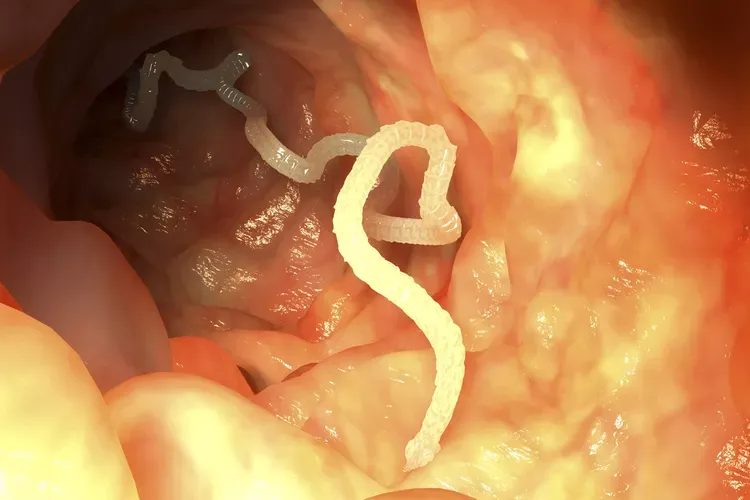
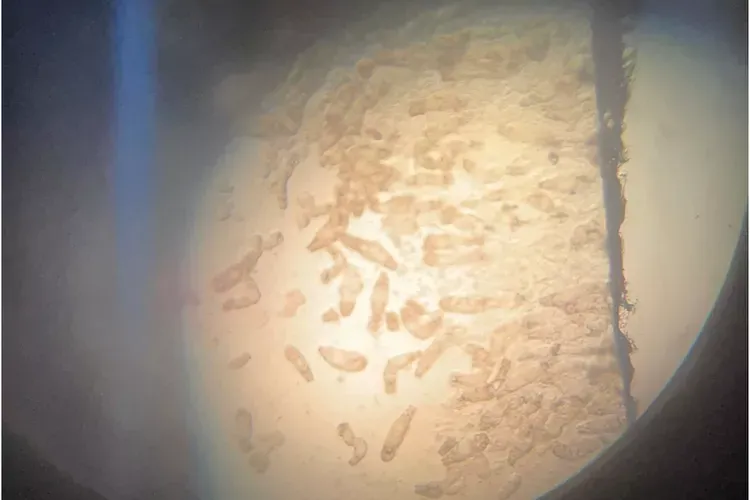
The parasite that causes heartworm disease in cats is the same parasite that causes heartworm disease in dogs—a worm called Dirofilaria immitis. In both dogs and cats, the parasites are transmitted to the animal through the bite of an infected mosquito. However, the condition presents differently between dogs and cats.
A few heartworms in a cat can cause more issues for a cat than dozens of heartworms in one dog. Cats can develop a very intense inflammatory reaction to the heartworms, especially when the worms die. In fact, even immature heartworms can cause significant damage to a cat’s lungs in the form of heartworm-associated respiratory disease (HARD). This disease can be fatal to cats.
Heartworm Causes and Transmission
While cats who spend time outside have a higher risk of contracting heartworms, it only takes one infected mosquito to infect a cat. If a mosquito enters the home through open doors or windows, they can transmit the infection to your indoor cat. For this reason, indoor cats are still considered at risk of contracting heartworms. In fact, around 25% of cats that contract heartworms are considered indoor cats by their owners1.
Heartworms have been diagnosed in all fifty states and in all seasons of the year. Within the United States, the risk is greatest in the southeastern states, but more areas of the country see higher rates of infection each year. Though transmission is the greatest in warmer months, the risk of transmission never reaches zero.
Pet parents should keep in mind that wild animals often serve as reservoirs for heartworms. Mosquitos can pick up heartworms from stray dogs, coyotes, wolves, and foxes. You do not need to live somewhere with a high number of pet dogs for your cat to be at risk. Across the United States, approximately 15–17% of cats test positive for heartworm antibodies2, meaning they have been exposed to the parasite.
Symptoms of Heartworms in Cats
Heartworm symptoms run the full gamut, with some cats tolerating their infection without noticeable signs and others developing sudden, severe illness.
In cats who develop symptoms, the signs often first develop when immature adult heartworms reach the pulmonary artery, which carries blood from the heart to the lungs to get oxygenated. At this stage, signs often include coughing or difficulty breathing that's misdiagnosed as feline asthma or allergic bronchitis.
Subtle symptoms of heartworm disease in cats include:
Coughing
Wheezing/asthma-like attacks
Occasional vomiting
Decreased appetite
Weight loss
More serious symptoms that can develop in cats with heartworm disease include:
Sudden collapse
Respiratory distress
Difficulty walking
Seizures
Fluid in the abdomen
When sudden, serious symptoms develop, the condition can be fatal. If your cat develops these heartworm symptoms, seek emergency attention.
Diagnosing Heartworms in Cats
Heartworms cannot be diagnosed with a physical examination alone. However, in some cases, the veterinarian may detect a heart murmur in addition to the other clinical signs. Heart murmurs can occur with other heart conditions, are not specific to heartworms.
The American Heartworm Society recommends yearly testing of cats for heartworms. While diagnosing heartworms in dogs is relatively straightforward, testing for cats is more complicated. Testing for heartworms in cats can include blood tests, chest X-rays, and echocardiography (i.e., ultrasound of the heart).
In cats, screening for heartworms should include two tests. Both tests require blood samples.
Antigen tests: Dogs with mature heartworms can be diagnosed with a simple, 10-minute antigen test that only requires three drops of blood. This test detects the presence of mature female heartworms. In dogs, who usually have a high number of worms in one infection, false negatives are rare (as long as the worms have matured). In cats, who usually only have one to three adult worms that are sometimes all male worms, false negatives on the antigen test are more common. If a cat tests positive on an antigen test, it is usually around 5.5-8 months after the cat was initially infected. A cat's blood sample may be heated to make the antigen more readily detectable.
Antibody tests: Antibody tests can be positive as soon as 2 months after a cat becomes infected with heartworms. One of the benefits of antibody tests is that they can detect both male and female heartworms. However, a cat will continue to test positive on antibody tests even if they have cleared the heartworm infection.
Chest X-rays can provide evidence that a cat may have heartworms and are important for monitoring the progression of the disease. Chest X-rays may show changes to the blood vessels and lung tissue. Echocardiography is useful for detecting physical changes to the heart. When a cat has adult heartworms, the worms may also be seen during the ultrasonographic examination.
Due to the difficult nature of diagnosing heartworms, misdiagnosis is common. Tests may need to be repeated multiple times to detect the worms. The only ways to guarantee that a living cat has heartworms are to get a positive antigen test or to see heartworms during an echocardiogram.
Treatment and Care for Feline Heartworms
Unfortunately, treating heartworms is cats is quite difficult. Melarsomine, which is used to treat heartworms in dogs, is toxic to cats, even at low doses.
Instead, treatments are aimed at managing heartworm symptoms and could include:
Prednisolone: This steroid may relieve cough and other respiratory symptoms.
Doxycycline: This antibiotic may weaken adult heartworms.
Fluticasone: This inhaled steroid may be used if the cat requires ongoing steroid therapy.
Cats who are in respiratory distress require emergency attention. Treatments for cats in respiratory distress may include:
Injectable steroids
Injectable bronchodilators
Oxygen therapy
Intravenous fluids
Surgical removal of adult heartworms may be an option at specialty veterinary hospitals. If the worms are removed, this may prevent the cat from experiencing the intense inflammatory reaction that occurs when a worm dies. But if a worm is torn or partially removed, the cat may have a severe and potentially fatal reaction.
How to Prevent Heartworms in Cats
Whether they are an outdoor or indoor cat, all felines are at risk of contracting heartworms, especially if there are infected wild or domestic dogs in their area. For this reason, year-round heartworm prevention is recommended for all cats.
Depending on your and your cat's preference, you can choose from both oral and topical preventatives. Most of these preventatives are given on a monthly basis, and a veterinary prescription is required to purchase them. Additionally, veterinarians may require that heartworm testing be performed prior to purchasing preventative.
Other measures that pet parents can take to reduce risk of heartworms include:
Keeping your cat indoors
Keeping other household pets on preventatives
Eliminating sources of standing water (where mosquitoes often breed)
Using pet-safe mosquito traps and sprays/fogs that kill mosquitoes
Prognosis and What to Expect
Of cats who test positive for heartworms, around 75–80% self-cure3, while the others will succumb to the disease. Around 10% of cats with heartworms may experience sudden death. If your cat recovers, they may still experience long-term, asthma-like symptoms due to permanent damage that occurs to their lungs and blood vessels.
If your cat tests positive, speak with your veterinarian about how you can reduce their risk of severe symptoms through the use of steroids. Early detection may improve your cat's outcome. You can minimize risk through the use of heartworm preventatives and minimizing environmental risks.
If you suspect your pet is sick, call your vet immediately. For health-related questions, always consult your veterinarian, as they have examined your pet, know the pet's health history, and can make the best recommendations for your pet.






Leave a Reply
Your email address will not be published.