


Key Takeaways
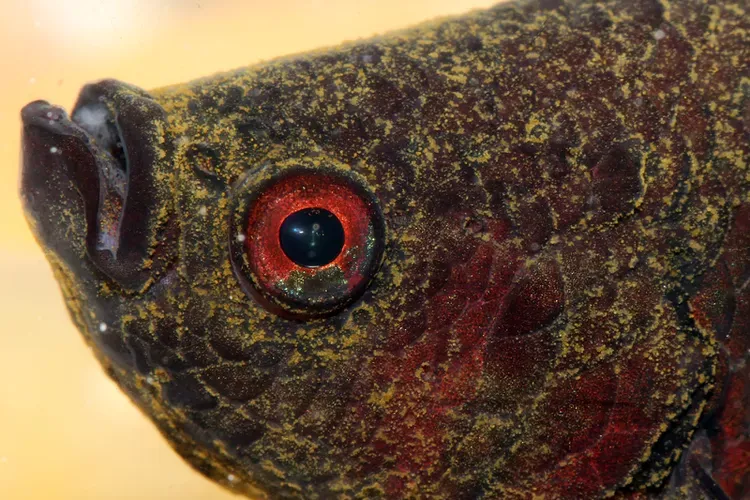
Ich, or white spot disease, is caused by the protozoan parasite Ichthyophthirius multifiliis and appears as white spots on fish.
Quarantining new fish, plants, and equipment is essential to prevent the spread of Ich in aquariums.
Effective Ich treatment requires understanding its life cycle, proper medication use, and maintaining optimal water conditions.
Ich, sometimes mistakenly spelled as "Ick," is caused by an external protozoan parasite that creates multiple white spots on your freshwater fish's skin and gills. These spots often look like white grains of salt or sugar scattered over the fish's body, gills, and fins.
Other common symptoms of Ich in fish include rubbing or scratching against decorations in the aquarium, hiding, and refusing to eat.
Ich is a common parasitic infection of freshwater fish and one of the few parasites visible to the naked eye. However, other non-parasitic causes of white spots on fish must be ruled out before starting treatment. Understanding the parasite's life cycle is key to effective treatment. It is challenging, but possible, to cure a fish infected with Ich.
What is Ich?
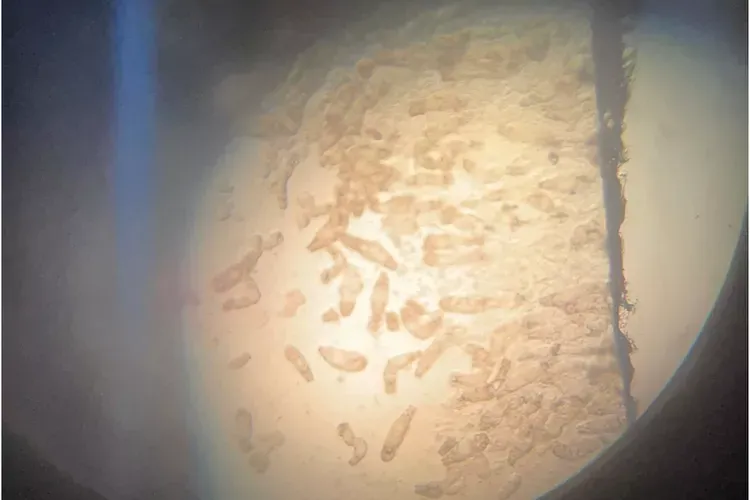
Ich, or white spot disease, is caused by the protozoan parasite Ichthyophthirius multifiliis, which in Latin means "fish louse with many children."The saltwater form of Ich is caused by Cryptocaryon irritans.
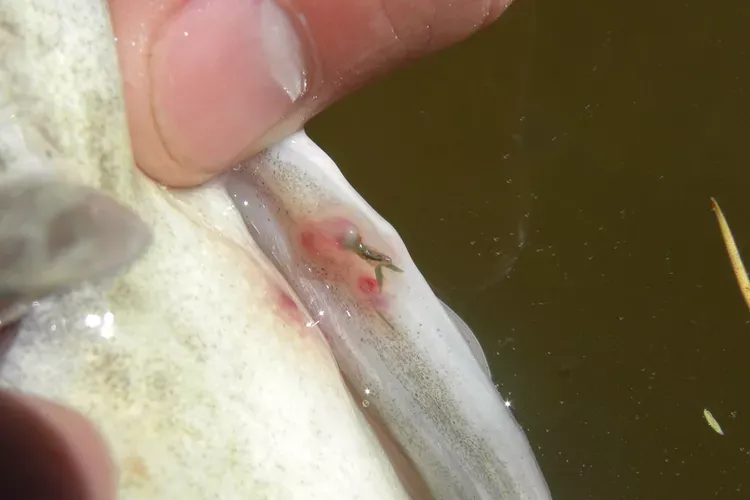
Both parasites have complex life cycles that make them difficult to treat. The large feeding (trophont) stage of the parasite is visible to the naked eye as white spots on the fish�s body but is highly resistant to treatment.1
The free-swimming theront stage is not visible, but it is the only stage in the parasite�s life cycle that is susceptible to treatment. Just one trophont can reproduce (as a tomont) after feeding on a fish, releasing 1,000 new infective organisms (theronts) into an aquarium, leading to rapid infestations. The life cycle is temperature-dependent, with fewer days between stages in warmer water and a longer cycle in colder water.
Warning
Be cautious when treating Ich, as overdosing the medication can harm your fish, while under-dosing may be ineffective.
Signs of Ich in Freshwater Fish
Small white spots on the fish's bodyor fins
Fish flashing, or using objects in their environment to scratch against
Bruising or scale loss secondary to flashing
Lethargic and increased respiratory effort
Sudden death (can be multiple fish in one aquarium)
White spot disease can be mistaken for other non-serious issues. Fin ray fractures, or fractures in the fin cartilage, can look like white spots but are not life-threatening. Breeding tubercles on male goldfish, producing multiple white bumps on the operculum and pectoral fin, also resemble white spot disease but are normal anatomical variations.
Lymphocystis, a viral disease in fish, can produce similar white bumps on the fins, but can be differentiated by your veterinarian.
Causes of Ich
The most common cause of Ich is failure to quarantine a new fish addedto the aquarium. It only takes one infectious Ich parasite to reproduce and then spread through an entire tank or pond.
Most fish will "look okay" and not act sick at all until a few life cycles of the parasite are complete, which can take a few days to a few weeks, depending on your water temperature. Safely quarantining all new fish will prevent the spread of Ich to your main aquarium.
Additional causes may include:
Using infected equipment between tanks without proper sanitation
Transferring infected filter media or décor between tanks
Moving infected water between systems
Adding plants to an aquarium that may have Ich tomonts attached to them
How to Treat Ich on Fish
For treatment to be successful, you may wanta veterinarian examine your sick fish to make a correct diagnosis. Remember, there are other things on fish that can look remarkably similar to white spot disease that will require different treatment. Once a diagnosis is confirmed, there are treatment options available for prescription through your aquatic veterinarian and fish store.
Follow the instructions on the medication carefully, ensuring you have accurately determined your aquarium water volume. Overdosing can harm the fish, and under-dosing may not kill the Ich theronts.
Continue treating every other day for 10-14 days. Perform partial water changes on the days between medication dosages. Carefully observe your fish to be sure that the trophonts (white spots) do not recur after treatment.
Monitoring and maintaining your water temperature is critical to ensuring the parasite is completely eliminated from your aquarium. Many online forums recommend raising your water temperature to speed up the Ich life cycle. Unfortunately, doing so may stress out your fish, so be sure they are species that can tolerate warmer water temperatures before raising the temperature above 80 degrees F.
How to Prevent Ich
Quarantine new fish for four to six weeks (temperature dependent)
Quarantine new invertebrates previously kept with fish for two to four weeks
Quarantine all new plants before adding to the tank (two weeks with no fish)
To prevent Ich or many other parasites and diseases from entering your aquarium, all new additions, including fish, invertebrates and plants, should be quarantined in a separate tank using separate equipment for four to six weeks.
Quarantine will be slightly shorter at higher temperatures. Do not manipulate your fish's ideal temperature range in order to shorten your quarantine period. This can stress your fish out and make them susceptible to many diseases and parasites.
All new plants previously kept with fish should be quarantined. By keeping plants isolated from all fish and inverts for at least two weeks, the parasite life cycle will break as there are no fish to feed on, and the parasite will die off.
Ich requires a fish host to complete its life cycle. Use these two weeks to beef up your plants with some extra fertilizer since transport and handling can easily damage aquatic plants.
In order to improve your fish's overall health and well-being, maintain good water quality at all times and feed an appropriate diet. Keep up with a regular maintenance schedule. Check-in on all your fish on a regular basis and understand their normal appetites and behaviors so you can quickly judge when something is wrong.
If you suspect something is wrong with your fish, contact your aquatic veterinarian as soon as possible.






Leave a Reply
Your email address will not be published.