

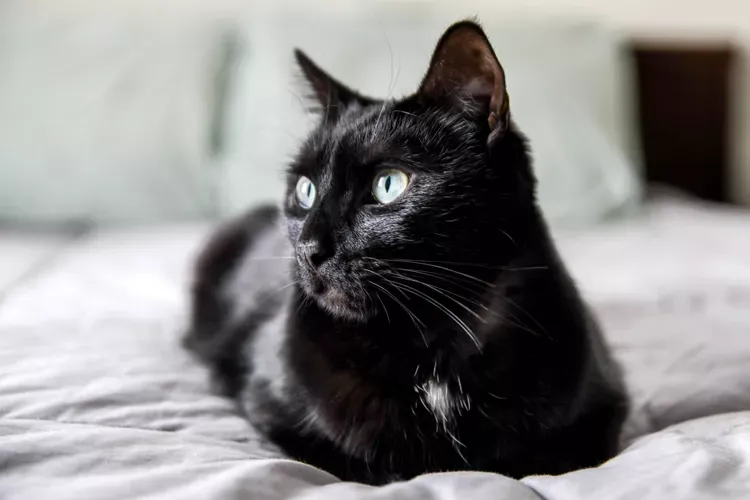

Most cat breed standards allow for several different eye and fur color or coat patterns within the physical appearance descriptions. This can make it difficult if you are trying to determine what kind of cat you have by reading what colors and patterns each breed of cat can come in. Just because you have a black cat with golden eyes does not mean you have a Bombay, nor does your large longhair tabby automatically become a Maine Coon since you read Maine Coons can come in that pattern. Domestic house cats can also come in almost every color and pattern with varying lengths of fur and are referred to simply as mixed breed cats.
Domestic and Purebred Cat Differences
Most house cats are simply considered to be domestic short-haired, domestic medium-haired, or domestic long-haired cats and are not pure breeds. But that doesn’t mean you’ll never come across a purebred cat or that your cat can’t be a pure breed.
A purebred is defined by The Cat Fanciers Glossary as "a cat whose ancestors are all of the same breed, or whose ancestry includes crossbreeding that is allowed in the breed standard. For example, a purebred Bombay may also have Burmese cats in its background." Generally, a cat's pedigree must be certified by the cat breed registry before it can rightfully be called a purebred.
The American shorthair cat breed was originally called the domestic shorthair breed, but the name was changed to avoid confusion among cats with an unknown history, among other reasons. Lacking the necessary pedigree, a domestic shorthair cat cannot simply be referred to as an American shorthair cat, despite looking like one, unless the breeding history is known.

Domestic Cats
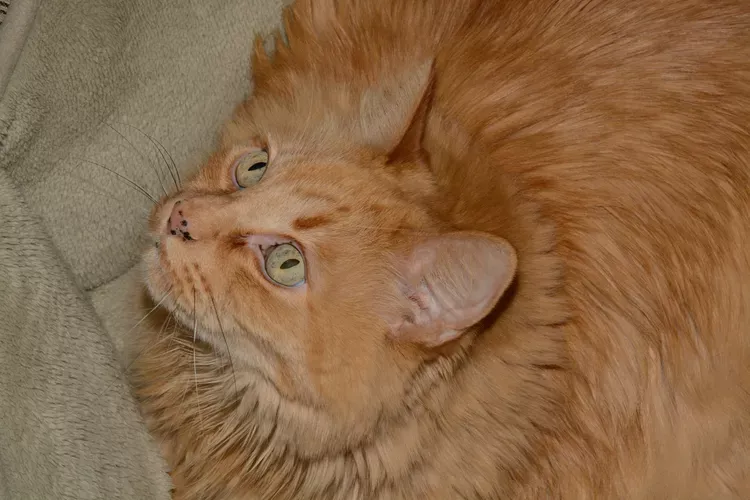
Domestic cats are rich in history, and there is no one-size-fits-all description of them. Domestic cats can be large, small, fat, or thin depending on their genetics, diet and the care they receive. Their colors and coat patterns are numerous and include black, white, gray, orange and all the shades in between. Coat patterns include tabby, calico, tortoiseshell, and tuxedo, to name a few.
Far from being just ordinary house cats, domestic cats are the most commonly found type of cats in the world, and they may have an unknown pedigree filled with various breeds of different colors and patterns. While not technically different breeds, cats of different coat patterns and colors tend to have characteristics that make them unique and are often referred to by these colors and patterns.
Calico Cats
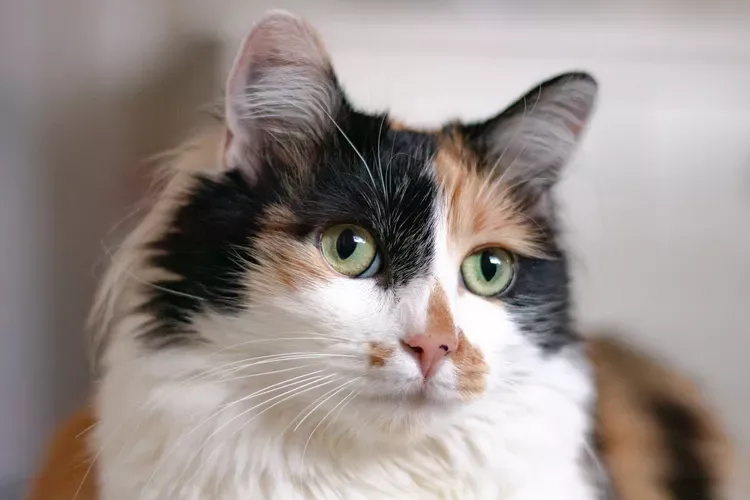
Calico cats, also known as tortoiseshell-and-white cats, comprise a garden of cat colors, either vibrant orange (technically known as "red"), white and black, or more subdued flaxen, blue-gray, and white. In feline genetics, the latter is known as "dilute calico." The various patterns of the calico patches are almost as variable as snowflakes since you'll never see two exactly alike. Calicos are almost always females, and the rare male is typically sterile.
Pure breed cats that can come in a calico pattern include the Persian, Manx, Maine Coon, and Scottish Fold, among others.

Tabby Cats
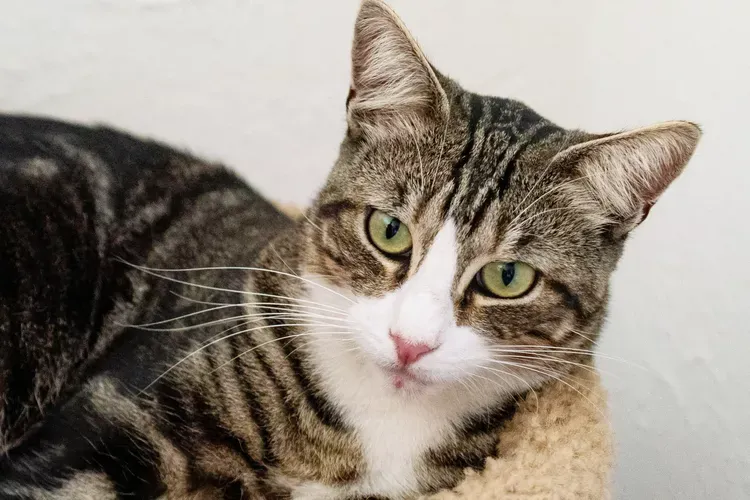
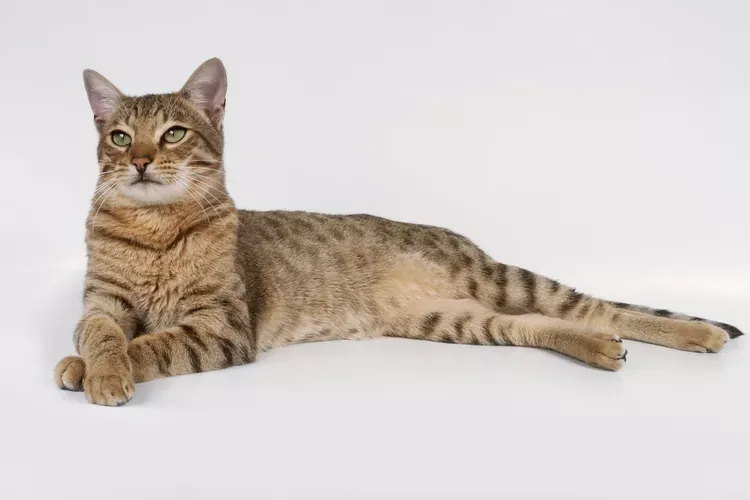
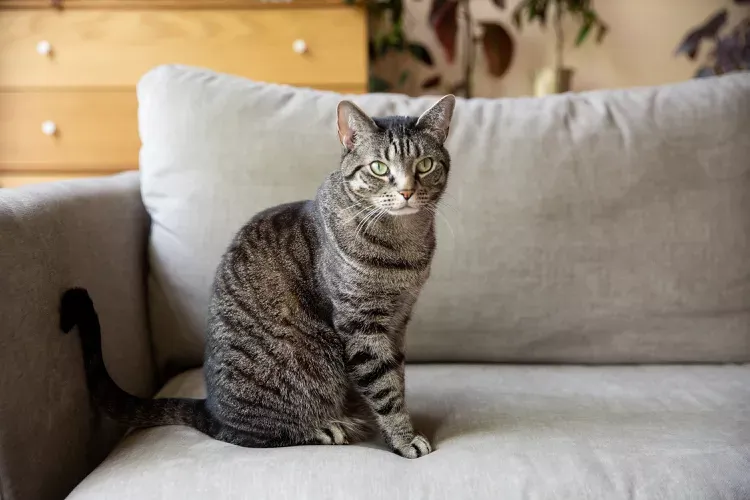
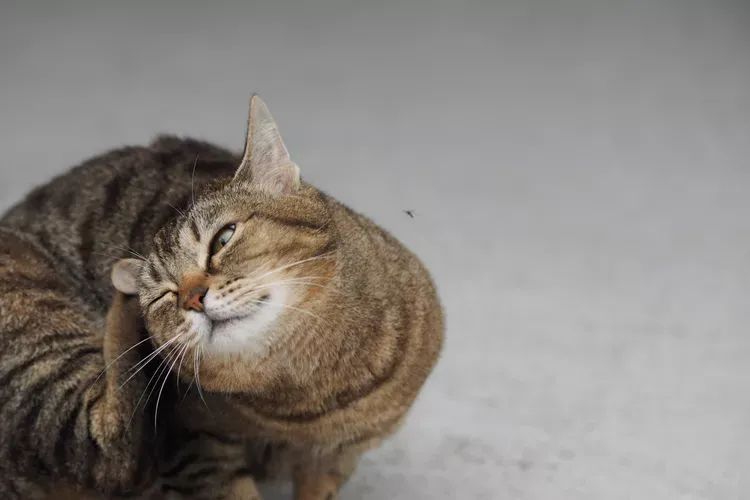
If domestic cats are the most favored of all, tabby cats are the most popular of the cat color patterns. Tabbies come in stripes, whorls, swirls, dots, and dashes, and are also allowed in the breed standards of over two dozen recognized cat breeds. Their colors range from red to cream, to black, blue, silver, brown, and tan. One of the most consistent markings of tabby cats is the magnificent "M" centered on their foreheads just above their eyes.

Tortoiseshell Cats
Tortoiseshell cats, also known as torties, are two colors, red and black, along with dilutions of those colors. These dilutions are lighter shades of red (creams), and lighter shades of black (blues, pale grays), and browns. Tortoiseshells also come in two types of color patterns, brindled or woven and patched. To make it even more complex, tortoiseshells may also have patches that are tabby patterned. If you aren’t sure if you have a tortoiseshell or a calico cat, remember that if your cat has white on them, then they are considered a calico.
Pure breed cats that can be tortoiseshells include the Cornish Rex and Japanese Bobtail breeds.
Tuxedo Cats
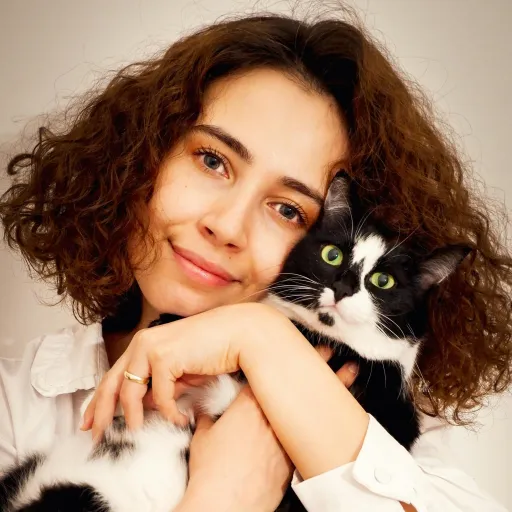
This coloration of cats is exactly like it sounds, black and white. Tuxedo cats are primarily black with white markings on their chest, feet, legs, and face. Tuxedo cats can be domestic or pure breeds such as the Devon Rex, Maine Coon, Persian, Cornish Rex, Manx, and others.
Unique Cat Breeds
Some pure breeds of cats have unique features that help differentiate them from other breeds and domestic cats. The lack of fur, wavy fur texture, smashed-in faces, folded ears, and other attributes are found naturally in some cat breeds. Domestic cats generally share similar body builds, head shapes, and ears, despite variations in fur length, color, and pattern. They have similar body builds, head shapes and ears. In contrast, many pure breed cats, if lined up side by side, look very different from one another.




Leave a Reply
Your email address will not be published.