


Key Takeaways
Occasional sneezing in dogs is normal, but persistent or excessive sneezing may indicate a health issue requiring veterinary attention.
Dogs sneeze for various reasons, including play, allergies, respiratory infections, or foreign objects in their nasal passages.
Monitor your dog's sneezing for concerning signs like nasal discharge, bleeding, or behavioral changes, and consult a vet if needed.
Catching your dog sneezing can be a cute moment, but is it a cause for concern? Just like in humans, sneezing in dogs can be explained by a simple tickle in the nose, but it may indicate an oncoming illness. There are many reasons that your dog could be sneezing, ranging from entirely negligible to quite concerning. Here's why dogs sneeze and when to get help from a veterinarian.
Causes of Sneezing in Dogs
Occasional sneezing isn't usually a concern and can actually be normal in dogs. And what you may think is a true sneeze could actually be what's called a reverse sneeze, so listen and watch your dog when they sneeze.
Sneezing can indicate a lot of different things, so it's important to pay attention to context. Unlike in humans, it’s relatively common for dogs to sneeze as a means of expressing emotion. Here are some of the main reasons your dog may be sneezing.
Foreign Objects
Just like people, dogs may sneeze to clear out their nostrils. Scent work (sometimes termed nose work) can be great environmental enrichment, especially for hound breeds. It's incredibly easy for dogs to accidentally inhale something while doing scent work, though. Blades of grass, pollen, and foxtails are just a few things that dogs can accidentally inhale if they are sniffing a lot outside.
Persistent/unrelenting sneezing can happen if something gets stuck in their nasal passages which requires a vet trip. Due to their predisposition to sniffing things, hound breeds, especially scent hounds, are more prone to sneezing because they inhaled something from the environment.
Allergies
Dogs can get allergies, just like people. Dogs are more likely to develop signs such as itchy skin and ear infections than hay fever, but allergies and other immune-related processes can sometimes cause upper respiratory symptoms in dogs. Your vet can help provide medications to help ease the symptoms of your dog's allergies.
Play
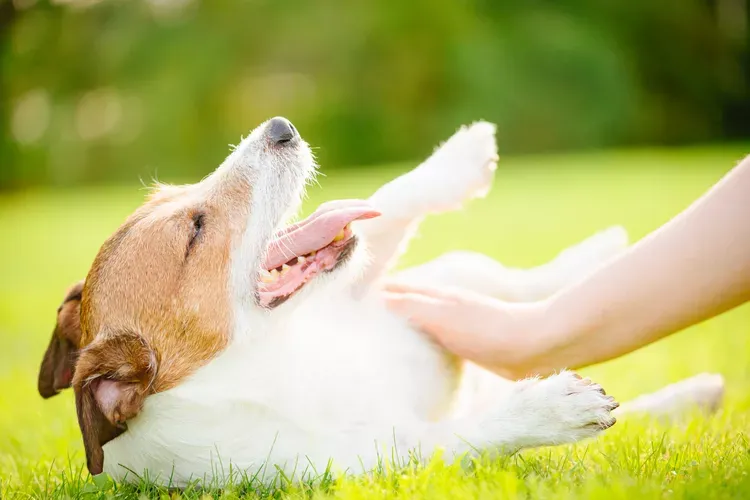
Sometimes, you may notice your dog sneezing suddenly during play. This is a normal part of play behavior amongst dogs. It can communicate that your dog is happy and having fun.
Tumors or Nasal Trauma
Sneezing, especially if your dog is sneezing blood or has a bloody nose (termed epistaxis) can be indicative of a mass or some sort of trauma within your dog's nasal passages. Tumors are generally more likely to be present in older, geriatric dogs. Trauma may also be caused by a foreign object lodged within the nasal passages.
Upper Respiratory Infection
A dog with an upper respiratory infection can definitely start sneezing to try and clear the congestion from the nasal passages. Various agents such as bacteria, viruses and even serious fungal infections can cause these. If your dog has an upper respiratory infection, they may also have nasal and/or ocular discharge, a fever, and they may have a decreased appetite and activity.
Muzzle Conformation
Brachycephalic breeds, that is dogs with pushed in faces such as pugs, French bulldogs, and English bulldogs, may be more prone to sneezing because of the conformation of their muzzles. The compressed nasal passages that are inherent in their skull structure may make them more predisposed to sneezing.
Kennel Cough
Although it's not the hallmark symptom of kennel cough, your dog may start sneezing in response to this infection. Generally, this will be in conjunction with a dry, hacking cough, which is the classic symptom of kennel cough. Even though it's not the primary symptom, if your dog is sneezing, let your vet know if they have recently been boarded, groomed, or if they were recently at a dog park, even if they are up to date on their bordatella vaccine.
What to Do if Your Dog is Sneezing
You should become concerned with your dog's sneezing if it becomes suddenly excessive or violent, especially if in conjunction with other signs. Be sure to contact your vet right away if you notice that your dog’s sneezing is paired with any of the following:
Changes in appetite
Persistent sneezing that interferes with normal activity
Changes in behavior or activity level
Nasal discharge, especially if it’s green or yellow
Nasal bleeding (epistaxis)
Coughing
Eye discharge or dull-looking eyes
Coughing
Fever
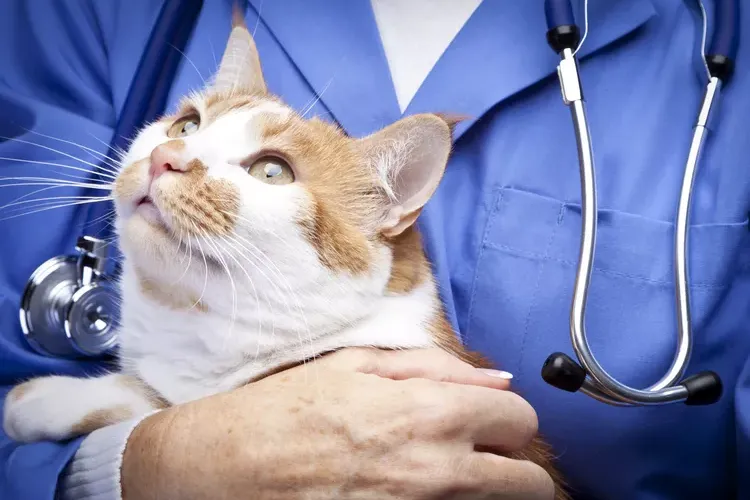
Come prepared to the vet with information on your pet’s symptoms. You may also want to ask your vet if they’d prefer that you stay in the car with your dog until your appointment to avoid exposing other dogs to any communicable illness, such as kennel cough.
Treatment for Sneezing
Treating your dog’s sneezing will vary based on the underlying cause. Since some sneezing can be a normal behavior, such as during play or during scent work, and since it can be caused by a wide variety of things, it's not advisable to try treating with any at-home remedies.
Your vet may prescribe an antibiotic if they suspect your dog's sneezing is due to an upper respiratory infection or allergy medications if they suspect an environmental allergen. This may include a corticosteroid, such as prednisone, to help suppress your dog's immune system. Ensure to tell your vet all the current medications your dog is taking as there are some medications that absolutely cannot be given in conjunction with prednisone. Some dogs may have a persistent foreign body that is stuck in their nasal passages. These dogs may need further evaluation or even retrieval while under sedation with a special endoscope.
How to Prevent Sneezing in Dogs
You can't always prevent sneezing in your dog—it depends on the cause of your dog’s sneezes. Be sure to keep your dog up-to-date on recommended vaccinations. You can limit environmental allergens by vacuuming regularly and limiting noxious aerosols like room sprays and diffusers, including essential oil diffusers.
Since scent work can be great environmental enrichment for dogs, it might not be prudent to stop it altogether. Instead, try to control the environment as much as possible. Keep a close eye on what your dog is sniffing and what is in the environment that they can accidentally sniff up their nose.
Aside from sneezing based on illness, there’s not much reason to try to avoid sneezing. If your dog likes to sneeze during play or after a good roll on the carpet, there’s no harm there!



Leave a Reply
Your email address will not be published.