
Just like in humans and other animals, cats can occasionally experience neurological disorders. Witnessing your beloved cat suffer from seizures or display unusual behaviors due to a neurological condition can be alarming. Here's essential information for cat owners about neurological disorders, covering signs, types, causes, and treatment.
What Is a Neurological Disorder?
Neurological disorders in cats occur when there's a disruption to the nervous system. Similar to humans, a cat's central nervous system works with a complex network of nerves to send messages to the body. The brain sends signals through the spinal cord, that then travel to the nerves, telling organs and muscles how to function. When something in the body interferes with these signals, a variety of problems can occur. Neurological disorders in cats may originate from the brain, spine, and/or nerves.
Symptoms of Neurological Disorders in Cats
The symptoms of neurological disorders in cats vary from subtle to obvious, and many signs will get worse over time. Since your cat can't tell you if they feel sick, it's crucial to look for physical or behavioral signs of illness. If you spot any of the following signs and symptoms of neurological disorders, contact your veterinarian immediately as they could be serious.1
Seizures
Sudden blindness
Ataxia (drunken gait)
Difficulty walking (limping, stumbling over feet)
Circling
Pressing the head against surfaces
Paralysis
Muscle twitching or tremors
Rapid eye movements (called nystagmus)
Anisocoria (uneven pupil sizes)
Heat tilt
Abnormal mentation
Lethargy
Depression
Confusion
A large range of symptoms can accompany a neurological disease depending on the source of the disorder. If the issue is in the brain, seizures may occur. However, a problem in the spinal cord may result in an unsteady gait, problems with limb function, or complete paralysis. A disruption of nerves can affect almost any part of your cat's body including its face, mouth, legs, or paws.1 Because the nervous system affects most of your cat's major bodily functions, you may notice problems with balance, eating, drinking, vocalizing, urinating, and defecating.
Recognizing Rabies Symptoms in Cats: A Vital Guide
Common Neurological Disorders in Cats
Cats can suffer from various neurological disorders, with some being more severe than others. Common neurological disorders affecting cats include:
Brain Tumors
Brain tumors can spark a myriad of issues like seizures, incoordination, blindness, and behavioral changes. Clinical signs depend heavily on the size and location of the tumor and whether it's benign or malignant (cancerous).
A benign tumor called meningioma can often be removed with surgery which can help your cat live a normal life after removal.2 If the tumor's location is hard to reach, radiation is also a viable treatment option. Sometimes, steroids can be used to try to shrink the size of the tumor. Without surgical intervention or radiation, however, this type of tumor may expand, leading to more neurological dysfunction.
Epilepsy
Epilepsy in cats is a seizure disorder of unknown origin. A diagnosis of epilepsy comes after all other neurological conditions have been ruled out. Cats with epilepsy may experience frequent or occasional seizures which can often be managed with anticonvulsant drugs.
Cerebellar Hypoplasia
Feline cerebellar hypoplasia is a congenital condition (present at birth) caused by brain malformation in the womb. It affects the kitten's balance and mobility and can cause tremors and involuntary movement, including head-bobbing. Fortunately, cerebellar hypoplasia does not get worse over time, and many cats can adjust to their differences and go on to live relatively normal lives.
Feline Hyperesthesia Syndrome
Feline hyperesthesia syndrome, sometimes called rippling skin disorder, is a condition that causes oversensitivity to touch. Cats may have an involuntary reaction to being pet, especially along the back, and the skin may appear to ripple or twitch. Cats may suddenly scratch or overgroom the area and have a sudden burst of energy, or other abnormal response. Stress and anxiety may add to feline hyperesthesia syndrome.
Meningitis and Encephalitis
Meningitis in cats is inflammation of the membrane that covers the brain and spinal cord. It's typically caused by infection (bacterial, viral, fungal, or parasitic) and can manifest many neurological signs.
Encephalitis is the inflammation of the brain. Like meningitis, it's often caused by some kind of infection. These two conditions may occur at the same time, called meningoencephalitis, and in some cases can signal a problem with a cat's immune system.3
Spinal Problems
Cats can develop intervertebral disc disease, or disc herniation, which involves the deterioration or displacement of spinal discs. A bulging disc puts pressure on the spinal cord, leading to pain and possible paralysis. Though more common in dogs, IVDD can sometimes occur in cats.4
Cats can also get spinal tumors or injuries that cause damage to the spinal cord and lead to signs similar to IVDD.
Infectious Diseases
Infectious diseases, such as feline immunodeficiency virus5, feline leukemia, and feline infectious peritonitis6 can cause neurologic symptoms in cats along with several other signs. Cats can contract infectious diseases through contact with other cats. Rabies is a well-known infectious disease that can cause neurological signs in cats. All cats should be vaccinated against rabies virus. Vaccines can protect against some other infectious diseases, and keeping cats indoors adds to this protection.
Dementia
Cognitive dysfunction, or dementia, is most commonly seen in senior cats.7 Cats with dementia seem to "forget" how to use the litter box, where the food bowl is, and how to navigate through the house. This disease tends to start with subtle signs and gets progressively worse over time.
Vestibular Disease
Vestibular disease occurs when the nerves that control the vestibular system in the ear canals are affected, causing vertigo in cats. Cats may seem drunk or dizzy, tilt their head, or show rapid abnormal eye movements. A major ear infection or tumor can lead to vestibular dysfunction, or meningitis, encephalitis, or meningoencephalitis could be the culprit.8
Hydrocephalus
Hydrocephalus, or water on the brain, is rare in cats. It typically develops soon after birth and is caused by excess cerebrospinal fluid around the brain. A cat with hydrocephalus usually has a dome-shaped head and may experience several neurological symptoms.
Heart Disease in Cats
What Causes Neurological Disorders in Cats?
Neurological disorders can stem from issues with the brain, spinal cord, or nerves. Sometimes, neurological signs in cats are caused by conditions outside the brain or spine. Many metabolic diseases can cause neurological symptoms in cats, including kidney failure, hyperthyroidism, adrenal gland disorders, and diabetes.9 Toxins, such as poisons, pesticides, and insecticides can affect a cat's nervous system.10
How Vets Diagnose Neurological Disorders in Cats
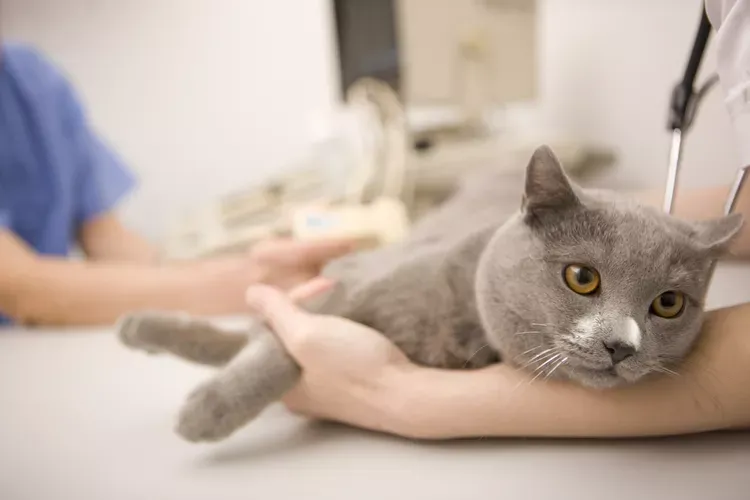
A veterinarian will examine your cat and may recommend diagnostic tests to unveil the cause of your cat's neurological dysfunction which may, including the following:
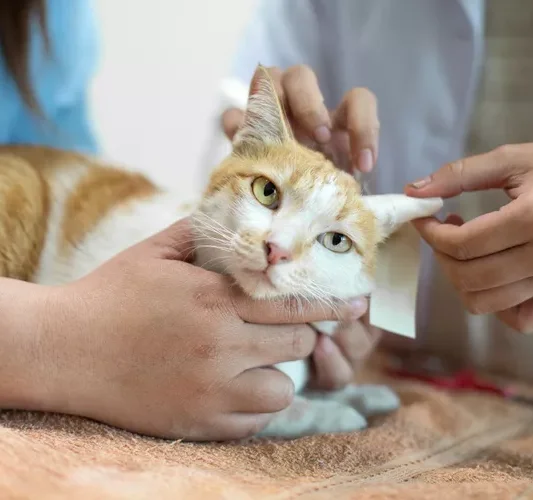
Reflexes: The vet will check your cat's reflexes, inspect the eyes, and assess motor function and pain. In many cases, the vet will also want to watch your cat move around.
Lab tests: Your vet may recommend additional diagnostics, like lab work, based on the outcome of the physical examination. A complete blood count, blood chemistry, and urinalysis may be ordered, and a thyroid test can rule out feline hyperthyroidism, which can sometimes present itself with mild neurological signs. Your vet may want to check for high blood pressure, too.
X-rays: Radiographs (X-rays) of the limbs and spine can reveal obvious issues, like spinal trauma or large tumors in the body.
Advanced Imaging: Still, if your vet is unable to determine the exact cause of the symptoms, you may be referred to a veterinary neurologist who will review the findings and possibly recommend more complex imaging, such as an MRI or a CT scan to check for tumors, inflammation, or other abnormalities.
Spinal fluid tap: A cerebral spinal fluid tap may also be ordered, which allows for microscopic analysis of the fluid around the spine, potentially revealing the presence of infection, blood, and other abnormal cells.
How to Treat Neurological Disorders in Cats
Treating neurological disorders in cats starts with diagnosing the disorder. Treatment plans vary greatly based on the diagnosis and may include hospitalization with supportive care.
Brain or spinal tumors may be treated surgically (if possible) followed by chemotherapy and/or radiation therapy.
Seizure disorders are typically managed with daily medications.11
Meningitis and encephalitis may be treated with corticosteroids to reduce inflammation and alter the immune system. Antibiotics, antifungals, or antiparasitic drugs are also used when indicated. Supportive care can include fluid administration, pain management, and nutritional supplements.
Vestibular disease treatment depends on the actual cause of the dysfunction. If an ear infection is present, your cat may need ear drops and oral medications. Supportive care is given when needed.
Cognitive dysfunction has no cure, but some medications and nutritional supplements can help manage it.
Intervertebral disc disease: In mild cases (when the pet can still walk), vets may try an approach that includes rest and anti-inflammatory drugs. Surgery is often the only treatment for severe cases.12
Hyperesthesia syndrome: Treatment usually includes changes that reduce anxiety, such as scheduling regular feeding, playtimes, and medication.13
Prognosis for Cats With Neurological Disorders
The prognosis for a cat with a neurological disorder depends on the cause and type of symptoms present. In some cases, administering daily medication could improve the quality of your cat's life. If a malignant brain tumor is the cause of the disorder, there may be many factors that determine your cat's prognosis.2
How to Prevent Neurological Disorders
Many neurological disorders aren't preventable, but maintaining a healthy lifestyle keeps any cat in tip-top shape.
Feed your cat high-quality food as recommended by your veterinarian throughout adulthood.
Bring your cat to the vet at least once a year for a wellness checkup and stay current on vaccinations.
Provide enrichment and ample space to romp, play, and exercise. And always give your cat love and attention.
Arthritis In Cats
If you suspect your pet is sick, call your vet immediately. For health-related questions, always consult your veterinarian, as they have examined your pet, know the pet's health history, and can make the best recommendations for your pet.






Leave a Reply
Your email address will not be published.