







Key Takeaways
Roundworms, primarily Toxocara cati and Toxascara leonina, are common intestinal parasites in cats, especially kittens.
Cats can become infected through various routes, including ingesting eggs, larvae, or infected prey, and symptoms vary by severity.
Prompt veterinary treatment and preventative measures, like keeping cats indoors and maintaining hygiene, can effectively manage and prevent roundworm infestations.
There are two species of roundworms that infect cats; Toxocara cati and Toxascara leonina. These parasitic worms reside in cats' gastrointestinal tracts and can be irritating, but they only cause observable symptoms when the infestation is longstanding and severe. Untreated, roundworms in young cats can cause weight loss, dull coat, potbelly appearance and vomiting or diarrhea. Typically, adult cats don't develop clinical signs unless the infestation is severe.T. cati can also cause health problems in humans.1
What Are Roundworms?
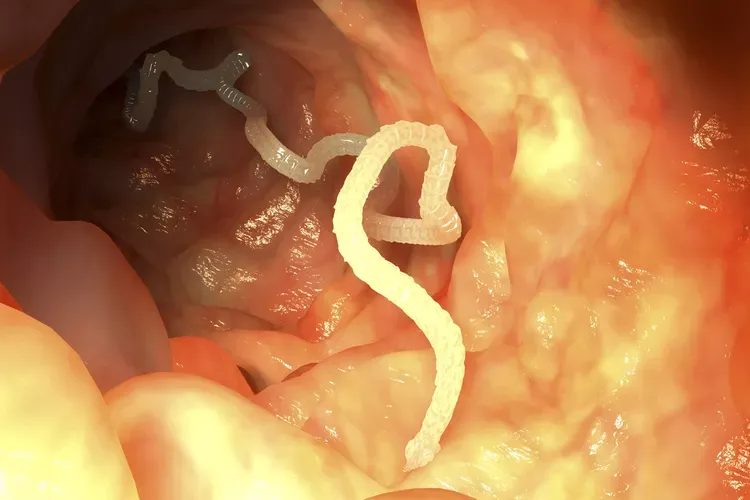
Like hookworms and tapeworms, roundworms are common intestinal parasites in cats and other animals.2 Two species of roundworms infect cats: Toxocara cati and Toxascara leonina. Both are skinny, round, up to four inches long, and white to pale brown in color (they look similar to spaghetti noodles).
Roundworm eggs and larvae, ingested from the external environment, migrate through the cat's tissues. They eventually reach the lungs where they cause irritation so that the cat coughs them up and then re-swallows them.
Upon entering the cat's gastrointestinal tract a second time, the larvae become adult roundworms in the cat's intestines. These produce numerous eggs, which are passed in the feces. Eggs only become infectious after two to four weeks in the environment. The eggs are hardy and can remain infectious for months or even years.
Sometimes, the larvae stop their bodily migration in the liver, where they enter a dormant state. In a late stage pregnant female cat, if she is infected at this time frame in her pregnancy, these larvae can be secreted in the mother's milk after birth and be ingested by her kittens.3 They can also produce an active adult roundworm infection in the mom's intestines, so she then sheds numerous eggs that can also infect her kittens via fecal-oral route of transmission. Roundworms can also be ingested when a cat eats a rodent with the infestation and then become infected.
Symptoms of Roundworms in Cats
Roundworms can produce any of the following symptoms, although symptoms may only appear with heavy, long-term infections:3
Symptoms
Failure to gain weight or weight loss
Dull hair coat
Pot-bellied appearance
Worms in vomit or stool (usually in kittens)
Diarrhea
Coughing due to larval migration through the lungs
Symptoms of roundworm infestations manifest as a result of the parasites' interference with a cat's assimilation of nutrients and, occasionally, intestinal bleeding. Weight loss, dull coat, and a general failure to thrive occur due to malnutrition rather than the presence of the worms themselves.
As part of the T. cati worms' life cycle, they migrate through the lungs and cause irritation that encourages a cat to cough them up and re-swallow them. (T. leonina stay in cats' intestines.) Rarely, very heavy infections of either roundworm species can lead to blockage of the intestines, which will make a cat very ill with vomiting, bloating, and lethargy.2
Causes of Roundworms in Cats
Cats become infected with roundworms by ingesting the eggs or larvae in one of these ways:
Through a mother cat's milk
Through consumption of infected fecal material
From consuming grass or traces of soil that carry actively infectious eggs
By grooming their own fur or other cats' fur that may contain eggs due to fecal or environmental contact
By eating another organism, such as a beetle or rodent, that is infested with roundworm larvae2
Diagnosing Roundworms in Cats
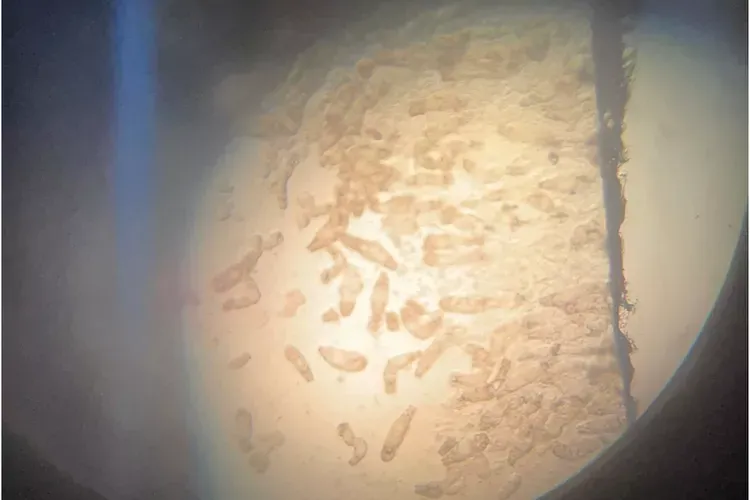
Unless roundworms are present in your cat's vomit or stool, they must be diagnosed by a veterinarian. Roundworms eggs are detected under the microscope in a routine check of a stool sample (the test is called fecal flotation). The medical term for infection with roundworms is ascariasis.
How to Treat Roundworms in Cats
Several medications treat roundworms, and your vet can help you pick the one right for your cat.4 Medications will only affect adult roundworms, however, so they need to be repeated at two to three-week intervals to deal with any residual larvae as they mature. The number of treatments necessary will depend on the age of the cat and the situation, which will be assessed by your vet. If you have a pregnant cat, consult your vet for advice on de-worming both the mom and kittens.
Prognosis for Cats with Roundworms
Prompt and persistent treatment of a roundworm infestation usually allows a cat to fully recover within a matter of weeks. Heavy or longstanding infestations that have compromised a cat's health are more difficult to treat but are generally successful with proper medication and supportive nutrition to help a cat regain its physical condition.
How to Prevent Roundworms
Roundworms generally infect kittens and cats who spend time outdoors or who spend time with outdoor cats, so keeping cats inside is a powerful preventative.
Once roundworm is diagnosed, it's important to follow the vet's instructions carefully to prevent recurrent infestations. These may include:
Cleaning litter boxes daily (or more frequently in multi-cat households)
Keeping your cat indoors
Cleaning surfaces frequented by your cat regularly throughout the treatment process
Keeping cat feces away from other animals and children
Washing your hands after handling your cat
Many of the monthly prescription medications designed to prevent heartworms and other parasites will also keep roundworms under control. Discuss these options with your vet, and ask about the potential side effects (including seizures) so that you can weigh the risk-to-benefit ratio of using these medications.
Types of Roundworms
There are two species of roundworms that affect cats. They look and behave similarly, but they have different life cycles.
Toxocara cati is common, especially in kittens that ingest larvae through their mother's milk. Both cats and kittens can also ingest eggs as a result of eating rodents or other carriers such as beetles or earthworms infected with T. cati. The eggs then hatch into larvae inside the cat's digestive system.
Toxascara leonina is far less common and is more often seen in older cats. Once ingested, the eggs develop into adult roundworms in the intestines (no migration required). These worms produce eggs that are shed in the cat's feces.
Are Roundworms Contagious to Other Animals?
Toxocara cati are contagious to other cats and humans but not to dogs. Toxascara leonina is contagious, both to other felines and other species—including humans—but their occurrence is much less common.
Are Roundworms Contagious to Humans?
Roundworms can find their way into people as well as cats (T. cati are more prevalent in both species than T. leonina).2 Infestation happens when eggs are ingested. It is most common in children who may not practice the best hygiene and may pick up eggs on their hands when playing in the yard. Children should wash their hands regularly, and cats should be kept out of areas where children play.
The larvae don't develop into adult roundworms in people, but the larvae migrating through the tissues can cause inflammation, especially in young children. Most cases are not serious, but in serious cases, organ damage is possible as a result of the migrating larvae (such as the liver, lung, brain), and sometimes the larvae can reach the eyes, leading to visual disturbances and even blindness.
The migration of roundworm larvae through human tissues is called "visceral larva migrans," while migration to the eyes is called "ocular larva migrans."
Ringworm in Cats
If you suspect your pet is sick, call your vet immediately. For health-related questions, always consult your veterinarian, as they have examined your pet, know the pet's health history, and can make the best recommendations for your pet.






Leave a Reply
Your email address will not be published.