




We all want the very best for our feline friends, and that starts with their food. Providing your cat with a complete and balanced diet is crucial for their health, but with so much variety in the pet food market, it's hard to know where to start.
That's where we come in: in this guide, we answer one of the most common questions among cat owners, is wet or dry food better for cats, so help you find the best cat food for your cat.
Is Dry Food Bad for Cats?
Dry food is not bad for cats. In fact, many cats live long, happy, and healthy lives on a dry food diet.
Trouble is, not all dry cat foods are made equal, so finding a complete dry cat food with the right balance of proteins, fat, vitamins and minerals your cat needs to thrive can be a challenge.
Make sure you consider the following when choosing the best dry cat food:
Choose a "Complete" food, not a "Complementary" food
Choose a food that is age-appropriate for your cat
Choose a food suitable for your cat's activity levels and lifestyle (such as sterilized cat foods, or indoor cat foods)
Your cat's health - do they need a specific diet without allergens or to support a health condition?
Every cat is different, and what food suits one may not be ideal for another. If you're struggling to find the best dry food for your cat, speak with your vet who will be able to offer recommendations based on your cat's health and needs.
Benefits of Dry Cat Food
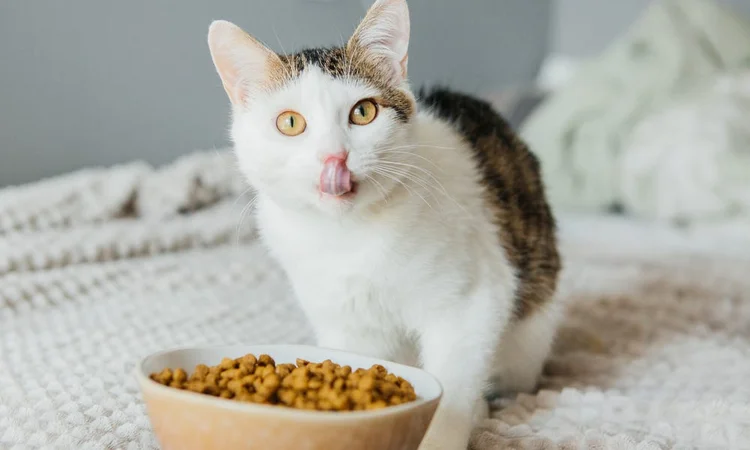
Many cat owners feed a dry food diet to their cats, and it's not hard to see why. Some of the key benefits of dry cat food include:
Doesn't spoil as quickly (dry food can be left out longer for cats who prefer to graze)
Cost-effective (dry foods tend to be cheaper and can be bought in larger bags to cut costs)
Crunchy texture (encourages chewing)
Longer Shelf Life (an opened bag can last for 2-3 weeks, depending on storage instructions)
More Versatile (can be used in puzzle toys or treat dispensers)
Easy to Clean (wet cat food hardens when dry and can stick to surfaces)
Downsides to Dry Cat Food
Every rose has its thorns, and an entirely dry food diet for cats is no exception. Some downsides of dry cat food diets include:
No moisture content (can cause cats to drink more)
Higher in carbohydrates
Harder to Chew (although some senior dry cat foods use softer kibble to help older cats chew)
Not as enticing (dry foods can be less appealing to picky eaters due to lack of smell)
It can take time for a cat to accept a new food, so take a gradual approach.
Mix a little of the new food with the old, slowly adding more of the new food over 1-2 weeks.
What is the Best Dry Cat Food?
There is no one best cat food for all cats. Each cat is unique and has their own needs, and understanding these is the key to finding the best dry cat food.
Make sure you choose a high-quality, complete and balanced cat food with high-protein content from real meat sources. Always remember to consider your cat's age, lifestyle, activity levels, and any health concerns or conditions that should be taken into account.
Is Wet Food Better for Cats?
Nutritionally speaking, wet food is not necessarily better for cats than dry food. However, one major benefit of a wet food diet is the higher moisture content (65% higher than dry) which can aid hydration.
Wet cat food diets can be a good choice for cats with certain health conditions, such as:
Urinary issues (Wet food helps dilute urine which may prevent urinary issues)
Weight Management (higher moisture content can help your cat feel fuller for longer without additional calories)
Diabetes
If your cat has a diagnosed health problem that requires a veterinary cat food diet, then you should always follow your vet's advice and recommendations.
Benefits of Wet Cat Food
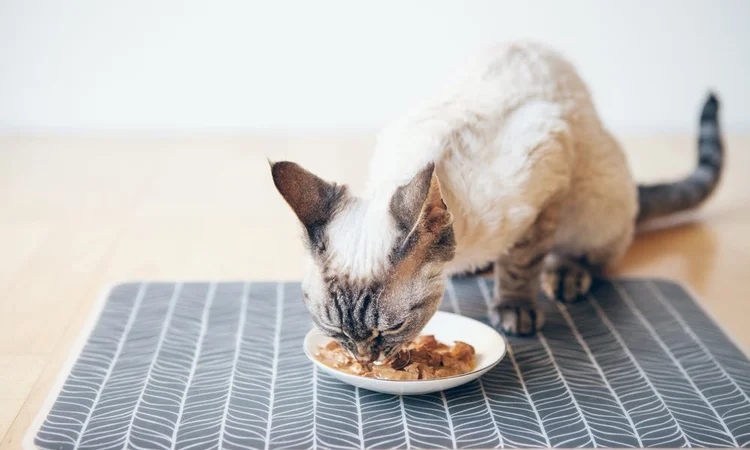
Softer and easier to chew
More appealing (cats use smell more than taste, and the scent of wet foods can appeal to picky eaters)
Higher water content (aids hydration and helps cats feel fuller for longer)
Bulk-Buyer friendly (Sold in tins, pouches or trays take up less space than large bags)
Downsides of Wet Cat Food
There are some drawbacks to feeding a wet food-only diet, including:
Spoils quickly once opened (Wet food should not be left out for more than 30-60 minutes, and opened containers must be stored in the fridge)
More waste (Uneaten food must be thrown away, and wet cat food requires more packaging, such as tins or pouches)
Storage (Besides potential refrigeration, wet food is heavier and bulkier than a single bag of dry food, making storage trickier for bulk-buyers)
More mess (Wet food can be harder to clean as it hardens after it spoils, causing it to stick to surfaces)
Cost (wet foods tend to be more expensive than dry)
What is the Best Wet Cat Food?
When choosing wet cat food, pick one best suited to your cat’s requirements and individual preferences.
While some cats are happy with any wet food that is put in front of them, others can be more picky with texture, scent, flavour, jelly food vs gravy food, etc.
If your cat doesn’t like one kind of food, you can try them on other wet cat food recipes, textures or flavours to find the one that fits.
Finding a food that fits may take time, but we're here to help with a range of high-quality wet cat foods available from some of the top brands in the industry.
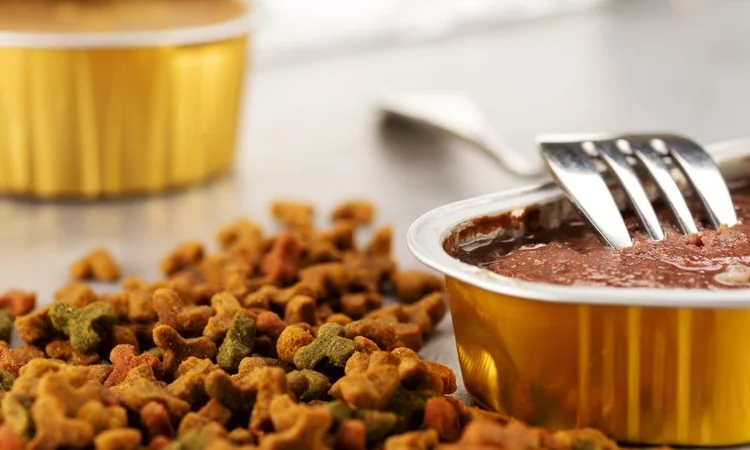
Mixing Wet and Dry Cat Food
Both wet food and dry food diets come with their own benefits and drawbacks, so why not offer your cat the best of both worlds with a mixed-feeding diet?
A combination of wet and dry cat food has been a popular choice for cat owners for years. This method can give your cat the benefits of one type of food while balancing the downsides of the other.
Other benefits of mixed-feeding cats include:
Ability to free feed for cats who prefer small amounts of food more frequently
Variety in flavour and texture to prevent boredom with food
Hydration support with added moisture of wet cat food
Always read manufacturer instructions and follow the recommended feeding guide with both foods in mind to ensure you're not feeding your cat too much. You can also get your dry food from the same wet cat food brands, which can offer mixed-feeding guidance to prevent overfeeding.
If you are unsure what your cat should eat, speak with your veterinarian. They can provide insight into your cat's specific nutritional needs and offer tailored recommendations.
Ultimately, your cat is going to be the decider on which food is best for them. You need to take into account their nutritional needs as well as their personal preferences when choosing a food to make sure it appeals to them. There's no point splashing on nutritionally rich cat foods if your cat isn't interested in eating it.






Leave a Reply
Your email address will not be published.