
There is a lot of confusion around FIV in cats, with many owners believing it to be the feline equivalent of AIDs in humans. This, however, is a myth. In this blog, we’re going to explain what FIV is, how you can spot it, and what you can do to care for cats positive for FIV.
What is Feline Immunodeficiency Virus?
Feline Immunodeficiency Virus (FIV) is a virus that occurs in cats and affects the immune system and white blood cells. While the traits of FIv may be similar to those of human AIDs, it does not mean your cat has AIDS, nor does it mean your cat will die. In fact, many FIV-positive cats go on to live long and happy lives.
This is no cure for FIV, nor is there an available vaccine in the UK. However, it only occurs in cats and cannot be passed to humans or other non-cat pets. It does mean that your cat is more susceptible to contracting illnesses and infections, so requires more care than other cats.
How Do Cats Get FIV?
FIV is spread through biting or other bodily fluids, which is why it is most commonly seen in unneutered male cats who often fight others for territory. In some cases, FIV may be passed to kittens through their mother, but some are able to fight off the infection by the time they are 6 months old.
Symptoms of FIV in Cats
FIV rarely shows many symptoms, so it can go unnoticed for a long time in your cat, during which time they can spread the virus around other cats in the area. Once your cat has been infected with FIV for months or years, some symptoms may begin to show, but these symptoms are very broad and may apply to a number of other health conditions.
The most common feline immunodeficiency virus symptoms include:
Fever
Lethargy
Runny nose
Loss of appetite
Weight loss
Inflammation of eyes
Skin infections
Diarrhoea
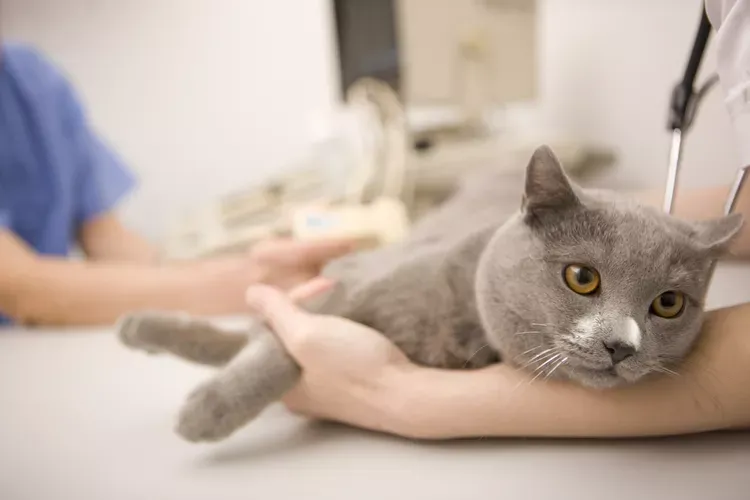
If you think your cat may be FIV positive, speak with your vet as soon as possible. If your vet thinks there is a chance your cat has FIV, they will run blood tests to diagnose it.
How to Care for FIV-Positive Cats
The most important aspect of caring for an FIV-Positive cat is that they should be kept indoors as recommended by vets and the Cats Protection organisation. This is to protect other cats from infection and prevent your cat from being infected with diseases or viruses out in the world. While FIV is spread through deep or severe bites, it’s still important that FIV-positive cats not be in contact with any FIV- negative cats.
Some other key aspects of FIV-Positive cat care include:
Keeping up to date with all vaccinations
Keeping up to date with routine flea and worming treatments
Feeding your cat a good quality and balanced diet (not raw food or dairy)
Keeping your cat enriched with cat toys while living indoors
While the risk of an FIV-positive cat falling ill is higher than that of other cats, with proper care and attention, there is no reason an FIV-positive cat can’t live a happy and healthy life with its owners. Keep your FIV-Positive cat as healthy as be with our great range of cat healthcare products below.




Leave a Reply
Your email address will not be published.