








As much as we wish our feline friends could join us on all our adventures, there are times where we must leave them behind. It could be a holiday, a family visit, or even a business trip, whatever the reason, a cattery is a place you can lodge your cat for the time you’re away much like leaving a dog in kennels.
But is a cattery the right pick for your cat? Read on to find out, or pick what you need from below:
What is a cattery?
How to choose a cattery
What to take to a cattery
Alternatives to catteries
What is a Cattery?
A cattery or cat boarding house is a licensed establishment designed to care for cats when their owners are unable to. Typically, they are used when you need to take a trip somewhere and can’t take your cat with you. A cattery will look after your cat for the time you’re away, ensuring they’re fed, have time to play, or even just keep them company for a while.
Catteries can be a great choice if your cat doesn’t mind being in new places and you don’t have anyone who can cat-sit while you’re gone.
How Much do Catteries Cost?
Catteries are typically run independently from people’s homes or land they’ve converted to be suitable for cat boarding. Because of this, each cattery will have different fees that will vary depending on:
The facilities and services provided.
The length of your cat’s stay.
When your cat needs to be boarded (peak and off-peak holiday seasons will vary).
How many cats you are boarding.
Any special requests you have regarding the care of your cat.
While cat boarding is generally cheaper than dog boarding, most UK Catteries charge between £10-£30 to board a cat for one day, although this may vary across the country. These costs typically cover:
Food
Litter
Exercise/play/comfort for your cat
Heating
Insurance & VAT
However, the cost to board a cat could be more if your cat needs:
Any medication to be administered
Any specialist grooming
Any emergency trips to the vet
Remember, the prices are set by each individual establishment, and while some may be happy to administer your cat’s daily medicine free of charge, others may not.
If you’re going away for an extended trip or during peak holiday seasons (Think Christmas or summer holidays), this can begin to add up quickly. Make sure you shop around a bit a do your research on catteries near you so you can find one within your budget that meets your cat’s needs.
Are Cats Better at Home or in a Cattery?
The honest answer to this question is that it depends on the cat. Some cats take very well to cattery life and adjust quickly to the change in their routine with little to no problems. For them, a cattery trip is ideal.
However, other cats can struggle with being in a new environment leading to signs of stress and anxiety as they wonder where they are and why their human isn’t there to help them. This can be especially problematic for cats with pre-existing health conditions as the stress of boarding may exacerbate their symptoms. In these cases, it’s always best to try and keep things as normal for your cat as possible while you’re gone with an alternative to cat boarding.
If you’re not sure whether your cat would be suited for a cattery stay, think about what they’re like in the following situations:
When they’re left at home alone.
When things in the home change.
When they’re not allowed outside (if applicable).
When they go to the vet.
When visitors come over.
If your cat struggles to cope with any of the above, then a cattery might not be the best choice. However, if you have no alternatives, use calming aids such as the FELIWAY® Sprays and Diffusers. You should have one in your home for at least a week and have it plugged in at the cattery, too, to ensure it takes effect.
How to Choose a Cattery
Once you decide if a cattery is suitable for your cat, it’s time to find where they’ll be staying. As we’ve mentioned above, every cat boarding establishment is different, and not just when it comes to price.
The best way to ensure your cat has a pleasant stay in a cattery is by finding one that meets all your cat's health and well-being needs. The key things to look for in a cattery are:
Do they hold a valid cattery license under The Animal Welfare (Licensing of Activities Involving Animals) (England) Regulations 2018? Make sure it’s up to date, on display, and covers the facilities/services they offer.
Are they insured? And what does their insurance cover?
Are you able to look around the facility before booking?
Are the cats staying there in good condition and spirits?
Is the accommodation clean and hygienic?
Are all your cat’s needs already provided for (beds, scratching posts, bowls, litter trays, etc.)
Are the accommodations well-ventilated and climate controlled?
Are the accommodations suitable and secure for housing cats?
Are the accommodations suitably placed without access to other cats (Will your cat be able to see any other cats from their accommodation?
It’s also important that you speak with the proprietor of the establishment to better understand the level of care your cat will be getting, what is and is not included in the cost of their stay, and what they require from you prior to boarding, which we explain below.
What to Take to a Cattery
Once you’ve picked the place your cat will be staying, it’s time to prepare them for their trip. While many catteries ensure they provide all the necessary amenities your cat might need for their stay, you should still look to provide the following:
Enough food to last your cat’s stay – while catteries may provide food, it may not be what your cat is used to, which could cause digestive problems.
A bed or blanket that smells like home – this will help make the adjustment easier for your cats.
Any toys your cat particularly likes – this can also help your cat feel at home quicker.
Your cat’s vaccination records – this should be a condition to booking with any cattery and you should be wary of any that do not ask for proof of vaccination history.
Any medication your cat needs during their stay as well as instructions on how to administer it.
Different catteries will have different conditions to be met when boarding cats. Still, the key things to ensure are that you treat your cat for fleas and worms before your stay and that the owner or relevant has been informed of any health, dietary, or behavioural issues your cat has.
You should also make sure that you have all the relevant contact information for the cat boarding centre and that they have the correct contact details for you if they need to inform you of anything.
Cattery Alternatives
If you don’t think your cat is suited to time in a cattery, that’s okay. Not all cats are. What’s important is that you don’t force your cat into a situation that will cause them unnecessary distress. If you are planning a trip and don’t want to board your cat, then there are some alternatives.
Friends and Family
Asking your friends or family in the local area to look after your cat is a great alternative to boarding. This way, your cat stays in the home it’s familiar with, gets fed the same food at its usual mealtimes, and isn’t being left with complete strangers. Plus, you can check in whenever you need to be able to update you on how your cat’s doing!
If you are asking a friend, family member, or neighbour to watch your cat while you’re away, make sure of the following:
They know your cat’s routine.
They are not leaving your cat alone for too long.
They have the contact information for your vet.
You should only choose this option if you are comfortable and trust the person to care for your cat and home while you’re away.
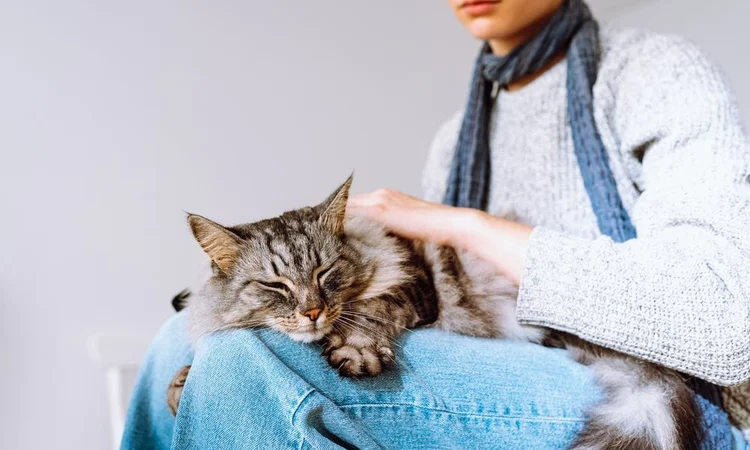
Trusted Pet Sitters
Even before the internet, plenty of people were willing to watch and care for your pets while you were away. Now, this is much easier and more regulated than before, with sites such as Rover.com and Petpals.com providing a range of pet-sitting options to suit you and your cat’s needs.
Most pet sitters available on these sites are DBS-checked and insured by the company that employs them, and some may even be trained in pet first aid. This allows you peace of mind that your pet is being properly cared for while you’re gone.
Pet sitters are usually available for two services:
Drop-ins – This is where the pet sitter comes to your house once or twice throughout the day to tend to your cat’s needs and keep them company. This is a good pick for cats who spend most of their time outside and need someone to feed them.
House sitting –This is where you need someone to be with your cat or in your home constantly while you’re gone (including overnight stays). It is a good pick for cats with medical issues or who suffer separation anxiety when left alone.
Owning a pet means providing for their needs, even when you’re not there. Cat boarding can be a great way to meet these needs while on holiday, but it depends on your cat. You know them best, and you’ll be able to tell what a good fit for the time you’re away.






Leave a Reply
Your email address will not be published.