






We all feel a little under the weather sometimes, and it's no different for our pets. Whether they're affected by environmental factors or contract an illness from being around other dogs, there are many illnesses that your dog can face during their lifetime.
Luckily, many of the serious ones can be prevented by ensuring your dog is up to date with all their annual vaccines, routine flea and worming treatments, and by having them checked regularly by your vet.
In this blog, we will discuss whether or not your dog can suffer from a cold virus in the way humans can and what to do if you find your dog has the sniffles.
What is the Common Cold?
Before discussing whether dogs can get colds, we need to distinguish what a cold actually is.
The common cold is not an actual illness but a term used to cover the 200+ viral infections that cause similar symptoms, such as rhinovirus. These viruses primarily affect the nose and throat with symptoms such as:
Blocked or runny nose
Sore throat
Sneezing
Coughing
And more.
Now that we’ve covered what a cold is, let’s determine whether your dog can suffer from one.
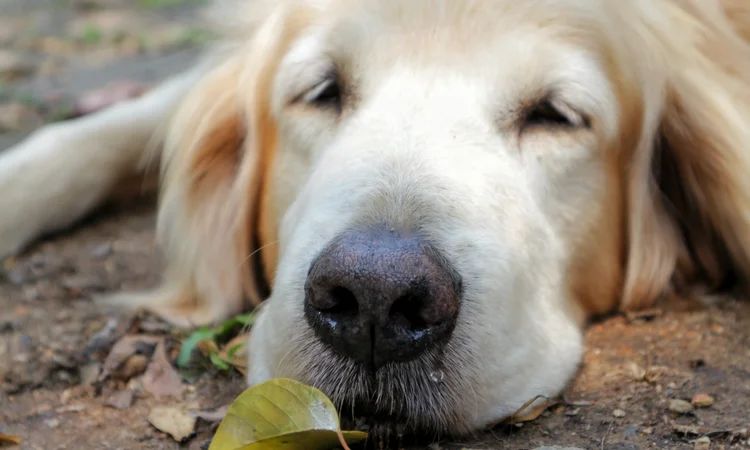
Can Dogs Catch A Cold?
As with humans, “a cold” doesn’t refer to one specific illness, but a multitude of them that display similar symptoms involving the nose and throat.
With that said, dogs can contract a cold and flu virus just like humans, but the viruses that cause their cold symptoms can vary.
Some of these viruses can also be much more aggressive and detrimental to your dog’s health than those suffered by humans, and their symptoms shouldn’t be dismissed as when a person has a cold.
Symptoms of Colds in Dogs
While a dog may not be able to contract a human cold, there are many similar cold-like symptoms in dogs, depending on the infection they have. Dog cold symptoms can include:
Sneezing,
Nasal congestion or a runny nose,
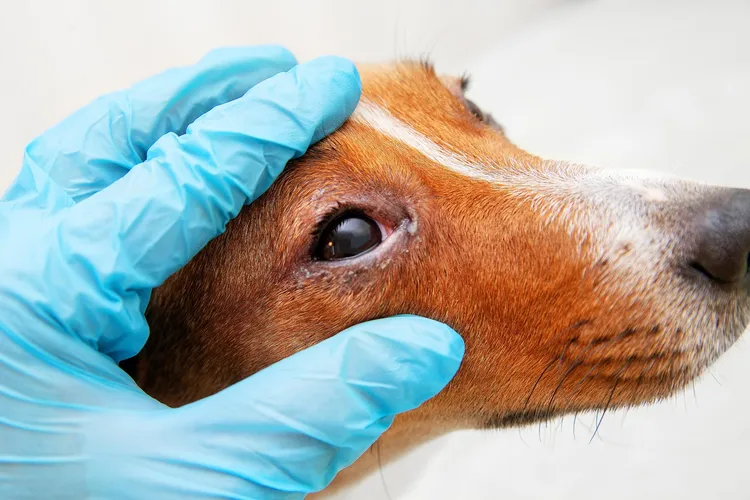
Runny eyes
Coughing
Aching muscles
You may also notice changes to your dog’s behaviour if they’re feeling under the weather, such as less energy than usual, sleeping more, and changes in their appetite.
If you notice one or more of these symptoms in your dog, you should contact your vet for advice, as they can also be signs of other conditions

What to Do if Your Dog Has A Cold
If your dog is exhibiting any of the mentioned symptoms of respiratory conditions, you should consult your veterinarian. In the best-case scenario, your dog has a cold and needs plenty of rest and fluids. Worst case, however, your dog may have contracted a more serious illness that will require veterinary intervention.
Much like in humans, there is no cure to treat a dog with a cold, but there are some things you can do to help them while they recover, such as:
Let them rest - just as humans, dogs' bodies need time to heal and fight off viruses. Make sure not to overexert your dog when they're unwell, and let them get plenty of rest instead.
Ensure water is available - fluids are essential for fighting off illnesses and preventing dehydration during a fever. Ensure that your dog has access to plenty of fresh, clean water at all times. Alternatively, try adding more moisture to their diet by adding water or liquid dog food toppers.
Keep them warm - aches and pains associated with cold-like illnesses can be alleviated by keeping your dog warm and
Clean their eyes and nose - runny noses and eyes are common in colds, but you can gently wipe the area with a dog-safe wipe or a clean, damp washcloth.
Keep them home - a key component of caring for a sick dog is to prevent your dog from spreading the virus further. Limit your dog's time outside to short walks and bathroom breaks, and keep them away from dogs with compromised immune systems, such as senior dogs, puppies, and those with existing health issues.
Dogs need time to heal and recover from illness, just like humans. Follow your vet's advice, and we're sure your dog will be back on their feet in no time.
Can Dogs Get Colds from Humans?
No. While multiple viruses can be passed across species, many of those that cause colds in humans are not among them.
If your dog is displaying symptoms similar to those of the common cold in humans, they likely contracted it from somewhere else.
Why is My Dog Sneezing So Much?
Several conditions can cause your dog to sneeze, one of which is a “dog cold”, but there are also some other conditions you should be aware of so you can better understand what may be affecting your dog.
Below, we look at some of the conditions that may be causing your dog to sneeze:
Kennel Cough
As we’ve mentioned, cold-like symptoms can also be a sign of other illnesses in your dog. One of the more common is canine infectious bronchitis, also known as Kennel Cough.
The Kennel Cough symptoms include:
Sneezing and/or a runny nose
A dry, honking cough
Low fever
Loss of appetite
Lethargy
Kennel Cough got its name from the places where it is most likely to be transmitted (kennels), but your dog can also catch Kennel Cough from any area where lots of dogs congregate and share the same space, such as doggy day-care facilities or dog parks.
Kennel cough lasts 3-6 weeks, and most dogs recover just fine without treatment. However, Kennel Cough can be particularly dangerous for puppies and dogs with compromised immune systems, so you should always consult your vet if your dog shows any cold symptoms.
Canine Parainfluenza Virus (CPIV)
CPIV, or canine parainfluenza virus, is a highly contagious respiratory disease that affects dogs worldwide. CPIV causes symptoms similar to canine influenza (coughing, discharge from the nose, lethargy, low-grade fever); however, the two conditions require different methods of treatment or vaccination.
Canine parainfluenza is common in places with high densities of dogs, such as shelters, kennels, race tracks, and more. This virus can also cause infectious tracheobronchitis, more commonly known as Kennel Cough.
If you suspect your dog may have CPIV or Canine influenza, book a consultation with your vet for a professional diagnosis.
Canine Distemper
Much like a cold, canine distemper is a highly contagious virus that attacks your dog’s respiratory, gastrointestinal, and nervous systems and can affect dogs of any age.
The key symptoms of canine distemper include
Coughing
Fever
Nasal discharge
Lethargy
Lack of appetite
Lethargy
If left untreated, canine distemper can also cause muscle spasms, head tilt, convulsions, excessive salivation, and paralysis as it attacks your dog’s nervous system. Canine distemper is often fatal to dogs or may cause permanent damage to their nervous systems.
There is no known cure for canine distemper, but it can be prevented by ensuring you're up to date with your dog's annual vaccinations. Your vet will organise and discuss your dog's vaccination schedule.
Allergies in Dogs
Sneezing is a common symptom of allergies in your dog, which occurs as a reaction to something foreign in your dog’s body that is affecting their immune system. Several things could be causing your dog’s allergic reaction, including skin allergies, dog food allergies, environmental allergies, and more.
Sneezing is rarely the only symptom of dog allergies, so you should also look out for:
Itchy, red or inflamed skin
Vomiting and/or diarrhoea
Facial swelling
Overgrooming
Dog allergy treatments vary depending on the allergen and may be as simple as removing that particular allergen from your dog’s environment, such as changing their food. However, there is also a range of allergy treatments for dogs available to combat the allergies and ease their symptoms.
Illness is a part of being alive, and with the right support, your dog can overcome a cold quickly and without treatment,. However if after a week, your dog hasn’t shown any signs of improvement, arrange a proper consultation with your vet for a complete diagnosis.





Leave a Reply
Your email address will not be published.