





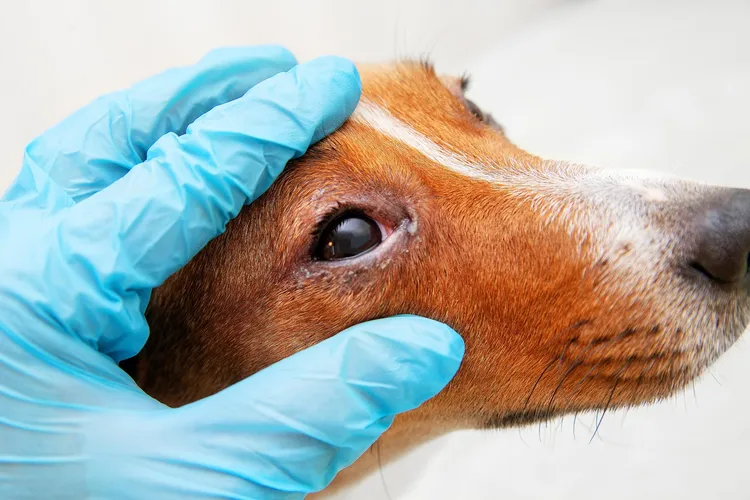
Your dog’s ears should be clean, odour-free, and pale pink in colour with a minimal amount of wax. This will help prevent ear mites or any infection caused by the buildup of wax and debris. Good canine ear health starts with clean ears, so read on to learn all about dog ear health and tips on keeping your pooch in top condition.
Should I Clean My Dogs Ears?
Not all dogs need to have their ears cleaned, but certain breeds are prone to ear problems, such as ear infections, which can be incredibly uncomfortable and painful for your dog. However, even if your dog isn't prone to ear problems, it's still essential to check their ears regularly for any signs of wax buildup, debris, or irritation that could be precursors to an infection.
However, cleaning your dog's ears should be part of your grooming routine if you have a breed prone to ear problems. Dogs predisposed to ear problems tend to have long, floppy ears or hair that grows in the ear canal, which makes it easier for dirt and debris to get trapped and build up, leading to an increased risk of infections.
According to a study completed in 2021 by The Royal Veterinary College, the dog breeds most prone to ear problems include:
Basset Hounds
Chinese Char-Peis
Beagles
Golden Retrievers
Poodles (and Poodle crosses)
Spaniels (and Spaniel crosses)
The study also revealed that smaller dogs (under 10kg) tended to have more ear problems than larger dogs, and breeds of dogs with floppy ears were more prone to ear infections than pointy-eared dog breeds. Dogs prone to ear problems should have their ears checked weekly for signs of debris and wax buildup and cleaned as necessary.
It's important to remember that even if your dog isn't one of the breeds mentioned, it doesn't mean they can't get ear infections. Preventing ear infections in dogs can be done by regularly checking and cleaning their ears, if necessary, or as your vet advises.
Signs You Should Clean Your Dog's Ears
Dogs don't always need their ears cleaned, and sometimes overcleaning can increase the risk of infection or irritation. For reference, a healthy and clean dog ear should be pale pink with no discernible odour or signs of dirt or inflammation.
If you're not sure if your dog's ears need cleaning, here are some of the key signs to check for:
Your dog is frequently scratching or pawing at their ears.
Your dog is shaking their head more than usual.
There is noticeable dirt, debris, or wax buildup in the ears.
Your dog's ears have gotten wet (such as after swimming or bathing).
If you notice your dog's ears are inflamed (reddened skin) or have a yeasty or nasty odour, speak with your vet as soon as possible. These are key signs of an ear infection, where a routine ear cleaner may not be sufficient. If your dog has an ear infection, they will likely also need antibiotic drops to recover, and cleaning the ear alone could make things worse.
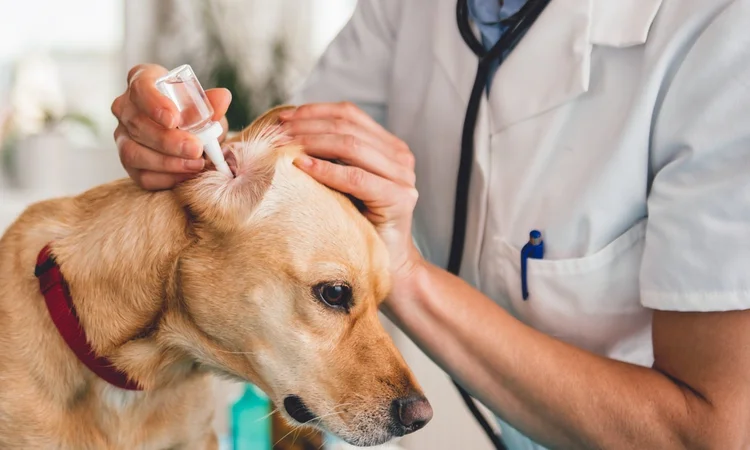
How to Clean Your Dog's Ears at Home
The best way to clean your dog's ears at home is to use a suitable dog ear cleaner for routine use, such as the Sonotix® Triple Action Ear Cleaner, which is formulated with your dog's needs and ear health in mind. You'll also need:
Clothes you don't mind getting splashed with ear solution
Cotton wool or cotton pads
Plenty of treats
Below is our step-by-step guide to cleaning your dog's ears at home:
Read the product instructions thoroughly—they will provide specific advice on using the product, as each brand and formulation may differ.
Pop the lid off the bottle or twist the nozzle to open—doing this before you get your dog can make it quicker and easier to administer.
Gently restrain your dog. We recommend that your dog sit down with its back to you so you can easily see into their ears. Smaller dogs should be held in your lap, and larger dogs should sit on the floor with you on a chair or sofa behind them. If you're struggling, ask someone to help.
Put the bottle nozzle into your dog's ear and squeeze to administer a liberal amount into the ear canal. Your dog will likely not like this bit, so you may have to hold them steady.
Gently massage your dog's ear over the ear canal for 15-30 seconds—this will help the solution work through any wax and debris.
Let your dog shake their head—this will allow them to shake out most of the solution. You may need to let your dog go so they can do this.
Press the clean cotton wool against the entrance to your dog's ear to remove excess fluid or discharge from the entrance of the ear canal and gently wipe around the ear flap to clean away any dirt.
Reward your dog with treats or lots of fuss for their good behaviour.
Repeat with the other ear.
Tips for Cleaning Your Dog's Ears
Dogs that aren't used to having their ears cleaned likely won't respond well to the first or even the second time you do this, but the more you clean your dog's ears and reward the behaviour, the more they should get used to it.
That said, here are some of our top tips for cleaning your dog's ears to make the ordeal a little easier on you and your dog:
Ensure the ear cleaning solution is at room temperature before use, as cold liquids in the ear can make dogs panic. If necessary, warm the bottle between your hands.
Open the bottle before you start. This will make it quicker and easier for you to administer the solution before your dog has the chance to struggle.
Never use cotton buds in your dog's ear. They can push debris or wax further into the ear or even damage the eardrum.
If you're unsure how to clean your dog's ears or they are particularly resistant, ask your vet to show you how to do it properly.
Never use chemicals like hydrogen peroxide to clean your dog's ears. Only use pet-safe solutions specifically for dogs.
How Often Should You Clean Your Dog's Ears?
How often your dog's ears should be cleaned will depend on your dog and their individual needs:
Healthy dogs should only have their ears cleaned if you can see dirt or debris inside the ear. Speak with your vet if you're unsure.
Dogs who swim or spend a lot of time in water should
Dogs prone to ear problems should have their ears cleaned once every two weeks, or more frequently if needed.
Be careful not to over-clean your dog's ears as this can actually increase the risk of ear infections in dogs. Always check your dog's ears before you clean them and look for digns they need cleaning. Don't clean your dog's ears for the sake of it.
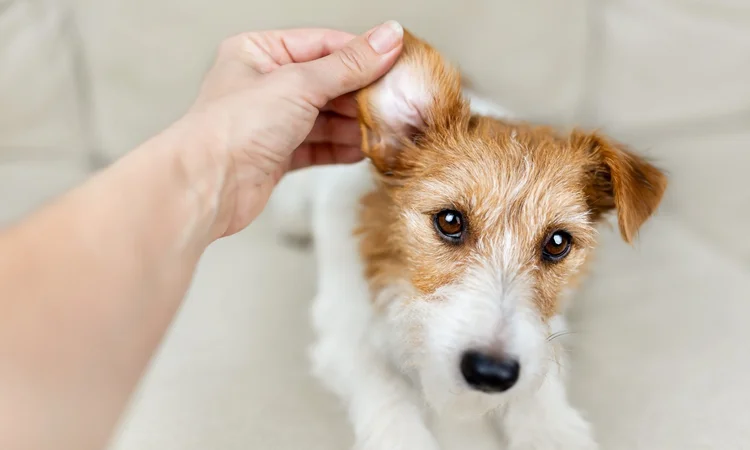
Dog Ear Care FAQs
Mainting your dog's ear health is essential to their wellbeing and overall health. While cleaning your dog's ears is a great start, there are some other things to be aware of when it comes to dog ear care, which we explore below:
What does dog ear wax look like?
Like humans, dog earwax varies in colour and consistency. Depending on the breed, genetics, and overall health, your dog may have more earwax, darker earwax, or very clear ears.
A healthy dog's ear should be light pink with no redness, swelling, or discharge. Generally, your dog's ears should have very little visible light yellow to dark brown earwax, and there should be no noticeable odour. You should contact your vet for a checkup if there is excessive earwax, a strong or unpleasant odour, or a significant colour change.
How to treat ear infections in dogs?
If your dog is presenting more severe symptoms, such as constant scratching, inflammation, and dislike of being touched near its ears, then it may have an infection. Ear infections are common in dogs, especially breeds with long hair and floppy ears, but they should always be treated by a vet.
Your vet will likely prescribe prescription ear drops for dogs containing antibiotics for the bacteria and antifungals for the yeast. These will clear this manifestation, but your vet will also want to check for any underlying problems, such as allergies, mites, genetic or breed-related problems (e.g., narrow or hairy ear canals), or if a foreign body is stuck in the ear canal.
What are ear mites in dogs?
Dog ear mites are another common cause of ear problems. These parasites are highly contagious and will quickly spread from pet to pet in multi-pet households.
The first sign of earmites in dogs is usually excessive ear scratching and some head shaking. If you spot this, pop their ear flap back and have a look for dark, crumbly, coffee-ground-like detritus in the ear.
Ear mites can also be easily treated with medicated drops, like the Otodex Cat & Dog Ear Cleaner, and some spot-on flea treatments will also kill ear mites.
What is a dog ear haematoma?
A haematoma is a mass of blood that collects under the skin because of burst blood vessels in that area.
Ear haematomas are often caused by excessive shaking, usually a sign of an ear infection, or matted fur, which causes tension in a small area. You may notice swelling, discolouration, and aversion to touch in the area if your dog does have a haematoma.
While a haematoma is not a medical emergency, it is very painful and can take a long time to heal on its own. It is also essential to address the underlying cause of the haematoma so that it doesn't happen again.
Depending on the size and location of the haematoma, your vet will probably drain the swelling and bandage the area so that it won't get irritated or licked by your pet.
What is Cauliflower Ear in Dogs?
"Cauliflower ear", as it's coloquially called, is a common condition in dogs regardless of their breed, though some may be predisposed if they have ear troubles. It can cause pain an discomofort for your dog and does require treatment from a vet.
The so called dog "Cauliflower Ear" looks strange, but can cause pain and discomfort for your dog, and may permently effect the shape and appearance of your dog's ear if not treated.
This occurs after the ear has suffered a trauma, leading to the rupture of blood vessels inside the ear that allows blood to accumulate in the space between your dog's skin and cartilage. This can cause an ear hemoatoma, which in turn, causes the cauliflower ear.
Can you put olive oil in dog's ears
Olive oil is well known home remedy to wax build ups, so it's not surprising some owners ask if you can put olive oil in a dogs ears. And while using olive oil in your dog's ears isn't dangerous, it's definitely not recommended.
Olive oil is messy, and trying to put it in your dog's ears is even more so, so if you choose olive oil for routine cleaning, you'll need a syringe or pippette to ensure you can apply it effectively.
You'll also need to warm the oil to your dog's body temperature (and no hotter) before applying.
It's also worth noting that as an organic substance, putting olive oil into the dark, warm enviroment of your dog's ears could inadvertently make the ideal breeding ground for yeast and bacteria. This could drastically exaccerbate any existing ear infections, or even lead to new ones, so bear this in mind when choosing olive oil over dog ear cleaners.
Once a pet has had ear disease, regular ear cleaning is always advised. By removing dog ear wax and debris and drying the ear, the conditions become less favourable to the growth of unwanted organisms. Some cleaners also have antimicrobial properties, reducing the number of bacteria and yeasts in the ear and helping maintain a healthy environment.






Leave a Reply
Your email address will not be published.