








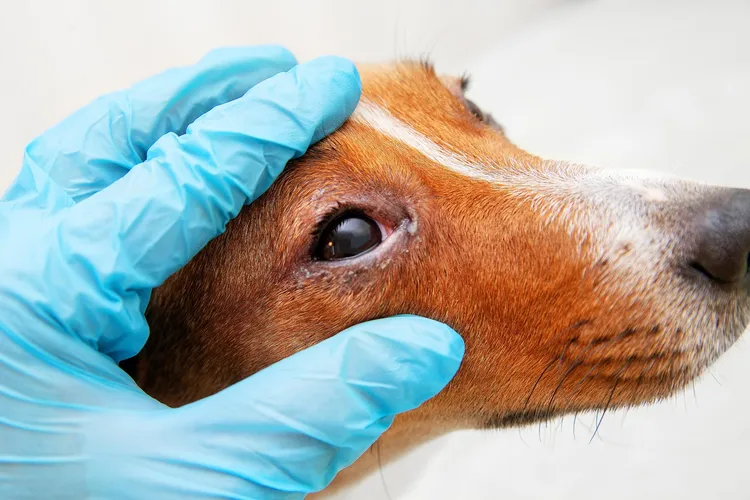

Summer is here, and it’s time for us to enjoy the longer days and warmer weather. But we’re not the only ones excited to be back outside and enjoying the sunshine. From spring through to autumn, critters are hard at work, and you’ve undoubtedly had one buzz by your ear already. And if you’re particularly unlucky, you may have even been stung. And if not you, then perhaps your pet.
In this blog, we will talk you through whether or not your pet can be stung by a bee or a wasp, and what to do if they are.
Can Dogs Get Stung by Bees?
Dogs can very easily be stung by bees or wasps. Dogs, by nature, love to chase, and flittering little insects are no exception. You’ve probably caught them before chasing butterflies or snapping at moths, which is fine because they don’t bite back.
Bees and wasps, however, are another matter. The reaction to bee stings in dogs is very similar to that of humans, from localised pain to swelling and potentially severe allergic reactions. This is why it’s important for you to be able to recognise if your pet has been stung by a bee and also what to do about it.
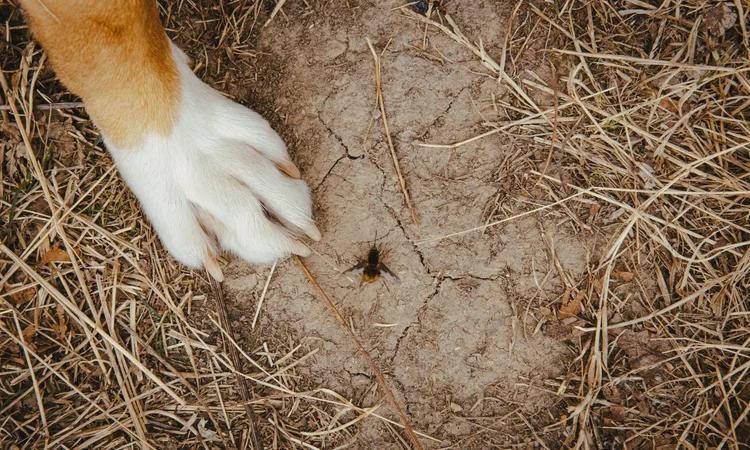
How to Tell If Your Dog is Stung by a Bee
Dogs are curious creatures that tend to investigate things snoot first, which is why the most common places dogs get stung by bees or wasps are:
The nose or snout (if they are sniffing too close to a stinging insect)
The mouth or throat (if they catch an insect in their mouth or attempt to eat it)
The paw (if they stand on a stinging insect)
Chances are that you’ll be able to tell quite quickly which of these places they’ve been stung, as it will begin to swell, but some other key symptoms of bee stings in dogs include:
Whining
Your dog over-grooming or biting the affected area
Refusal to let you touch the affected area
Holding up the affected area (such as limping with a paw raised)
Pawing at the affected area, e.g. their face, mouth or throat
If you notice any of these symptoms, you should monitor your dog cloely for any signs of allergic reactions.
Signs of Bee Allergies in Dogs
Unfortunately, there's no way to tell if your dog is allergic to bee or wasp venom until they're stung. This is why it's essential to monitor your dog for any allergic responses, such as:
Vomiting
Rapid breathing or difficulty breathing
Weakness or collapsing
Pale gums
Diarrhoea
Excessive swelling around the sting and spreading away from it
If you notice these symptoms after your dog is stung, take them to the vet immediately.
You should also take your pet straight to the vet if they are stung on the nose, mouth, or in their throat, as the swelling can cause problems with breathing.

What To Do if your Dog is Stung by a Bee
Regardless of where your dog has been stung, you should never overlook a bee sting. Bee venom is a complex substance produced by bees that's made up of enzymes, proteins, and peptides, such as melittin and histamine. The bees produce acidic venom and deliver it through their stinger when they feel threatened, causing pain and swelling.
While this swelling can look funny on dogs, it's essential not to get sidetracked by taking pictures of your dog (regardless of how silly they look) and instead focus on aiding your dog.
Here's what you need to do if your dog is stung:
Find where your dog was stung—the swelling can be a giveaway—but check where your dog is showing signs of pain, such as lifting its foot off the ground or scratching at that face.
Find the stinger—Bees can only sting once, and their barbed stinger lodges into the skin when the bee tries to pull away or is pawed at by your dog. You'll notice the stinger because it is a black mass embedded in the skin with a venom sack attached.
Remove the stinger—Do not use tweezers for this, as squeezing the venom sack can cause more venom to be injected into your dog, prolonging their pain. Instead, gently scrape the sting out using a credit or debit card from beneath the venom sack.
Reduce the swelling—Run a tea towel under the cool tap and apply it to the area, or use ice for quicker soothing. However, applying ice to your dog’s skin can be a shock and may make them more distressed, so we’d recommend the cool washcloth idea instead.
Neutralise the venom — As we've mentioned, bee venom is acidic, and can be neutralised by applying a paste made of sodium bicarbonate (baking soda) and water to the site.
Make sure to stay calm while doing this, and speaking softlyto your dog to help keep them calm. Watch for any signs of allergic reactions that may develop within the first few hours of being stung. If you are at all concerned about your dog after being stung, contact your vet for advice.
What to Do if Your Dog is Stung by a Wasp
Unlike bees, wasps will not leave their stinger behind in your dog’s skin, and what’s more, they often won’t just sting once. Wasps, by nature, are more aggressive and territorial than bees, and their venom is more potent.
The first step to handling wasp stings is the same as with bees. You need to stay calm and comfort your dog. They are in pain and likely stressed, and you being so will only make things worse.
Once again, you need to cool the area and try to reduce the swelling, either by running a cloth under cold water and applying it to the site or by using an ice pack, so long as you don’t shock your dog.
Unlike bees, wasp venom is alkaline, so the baking soda won’t work. Vinegar, however, might. Soak a cotton pad of piece of cloth in vinegar and apply it to the site of the sting to try and neutralise the venom.
Once again, watch for any signs of allergic reaction within the first few hours and contact your vet if you have any concerns.
The threat of bees and wasps shouldn’t stop you from being able to go out with your dog to enjoy the sunshine. Plus, now you know what to do in the event of a sting, you’ll be prepared for it.
Accidents can happen when you least expect them, so ensure you're prepared for anything this summer with our great range of dog summer essentials and dog first aid items. Whether you’re looking to take a trek through the countryside or just relax in your own garden, you’ll rest assured your dog is safe and cared for no matter what happens.






Leave a Reply
Your email address will not be published.