

Christmas is a time of joy and cheer for everyone in the family, including our pets. However, what we as people take for a tasty Christmas treat or a beautiful piece of decor, can pose a risk to our furry friends.
Make sure your holiday season is full of happiness for everyone by familiarising yourself with some of the most common Christmas hazards for pets.
Christmas Food Dangers for Pets
One of the best parts of Christmas is the food, and with all the delicious treats being offered, it’s natural for dogs to want to join in on the fun.
While giving your dog a small slice of turkey may not cause any harm, some Christmas foods are toxic to pets and can lead to severe internal damage or even death if ingested in large quantities.
Chocolate
It’s well-known that chocolate is toxic to dogs, and while it may not always be fatal if ingested, it can cause serious illness as it contains the chemical theobromine.
Neither cats nor dogs can metabolise theobromine as well as people can, which means they are far more sensitive to the effects this chemical has as a heart stimulant, blood vessel dilator, and smooth muscle relaxant.
Christmas Puddings & Mince Pies
These festive treats contain a variety of dried fruits, including raisins and currants. Grapes alone are toxic to dogs, and some evidence has shown they are toxic to cats as well, and dried fruits are thought to be even more so.
Always make sure you keep all christmas treats containing dried ruits far from reach, such as in a high cupboard.
Onions
Onions (as well as garlic, leeks, shallots and chives) are part of the allium family, which are known toxins for pets as they contain a chemical called N-propyl disulfide, which can damage your pet’s red blood cells and lead to life-threatening anaemia.
Onions are toxic to pets in any form, including fresh, fried and even powdered, and are used in various festive foods, including stuffing and other dishes. It only takes 100g of onion per 20 kg of body weight for your dog to suffer these severe effects.
Alcohol
While alcohol isn’t exactly healthy for humans in high volumes, alcoholic beverages in any capacity are dangerous to cats and dogs.
Ingesting alcohol can cause a dangerous drop in your pet’s blood sugar, blood pressure, and body temperature and can even potentially lead to seizures or respiratory failure.
Never give pets alcohol in any form, including any foods that contain alcohol.
Macadamia Nuts
Macadamia nuts are a common ingredient in many baked goods throughout the year, but they’re also listed as one of the top toxins for dogs. They can cause diarrhoea, vomiting, tremors, and fever.
While it’s unknown what causes this reaction frm the macadamia nut, and it doesn’t seem to affect cats, it is best to keep any food containing macadamia nuts out of reach of any pets in your household to be safe.
Leftovers
It can be tempting to reduce food waste by offering Christmas leftovers to your dog, but they could contain any of the above-mentioned toxins as well as any other known food toxins to your pet without you realising it.
Make sure all leftovers are kept out of your pet’s reach, and if you do want to offer them something special on Christmas day, stick to pet-safe Christmas treats or offer them some skinless and boneless turkey that hasn’t had any cross-contamination.
Toxic Festive Plants
Nothing beats decking the halls with Christmas decorations and plants, but some of these things can be more dangerous to your pets than you realise.
Many indoor plants are toxic to pets, and these festive ones are no exception.
Mistletoe
This shrub is a popular Christmas decoration. While certain parts of the plant are not toxic, some are, and it’s always better to be safe than sorry when it comes to your pet’s health.
Some animals that ingest parts of the mistletoe plant may not show any signs of poisoning, but others can show common poison symptoms such as drooling, vomiting, and diarrhoea.
Poinsettia
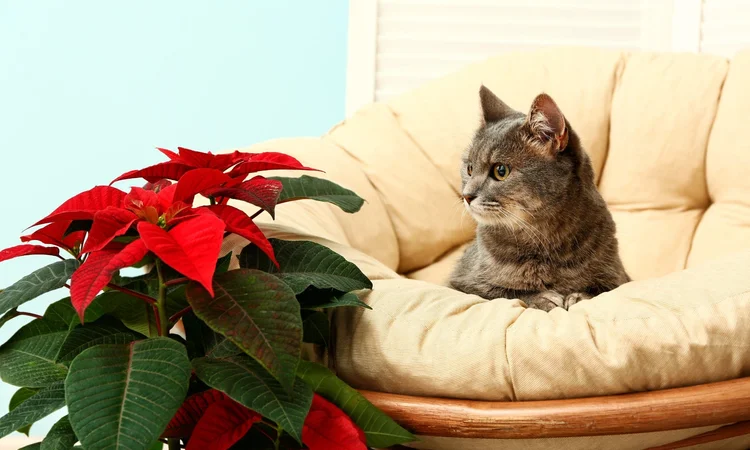
This lovely, leafy Christmas plant is a member of the euphorbia family, which are well-known toxic plants, and poinsettia has a particularly high reputation for being toxic to pets.
The sap, in particular, can cause pets to drool or suffer mild vomiting or diarrhoea if ingested.
Holly
Holly is a very popular Christmas decoration, and its most obvious danger is the sharp-edged leaves, which can puncture the delicate insides of your pet’s mouth (and likely stop them from eating too much), but it can also harm your pet.
Holly berries have toxic effects on pets that result in irritation in your pet’s mouth, vomiting or diarrhoea, so it’s best to avoid having real holly in the home during Christmas.
Ivy
This plant is a popular indoor choice because of how the branches and leaves hang down. Still, it is also a standard inclusion in Christmas decorations, particularly wreaths or other displays.
Ivy is toxic to most living things because it contains saponins and polyacetylene compounds. However, pets and children are at much higher risk of poisoning from either ingestion or touch.
Ivy can cause stomach upsets and even severe skin irritation or allergic dermatitis.
Christmas Trees
While most Christmas trees have a realtively low toxicity to pets, the natural oils in the needles can irritate your pet’s mouth and stomach, causing vomiting, drooling, and diarrhoea if ingested.
Pine needles, in particular, can cause damage to your pet’s mouth and throat if swallowed, or prick their paws if trodden on.
Christmas tree safety can be particularly tricky for cat owners. Cats can be enticed by the twinkling lights, hanging decorations and their innate need to climb, keading to broken decorations, and potential injury if the tree falls over.
If you want to find effective ways to keep your cat safe and away from the Christmas tree, check out our Cat Proofing Your Christmas Tree guide here.
Other Christmas Dangers to Pets
While we’ve talked about the things that are outright toxic to your pets, there are several other things you should be wary of this Christmas that can be hazardous to your pets, including:
Christmas Lights—Wires can easily be chewed, increasing the risk of electrocution, and the bulbs can get hot if lets on too long, increasing the risk of burns. Ensure they’re kept out of your pet’s way and are never left on around pets without supervision.
Decorations— Baubles and other tree deorations are often made of thin plastic that shatter under pressure. Broken decorations may cut your pet's mouth if eaten, or paws if stepped on. If swallowed, these broken pieces can cause more internal damage as they work through the digestive system.
Wrapping Paper—While some wrapping papers (such as plain wrapping paper or crepe paper) won’t harm your pet if they chew it, other paper can be imbued with chemicals to make them colourful or sparkly, and these things maybe toxic, so is best kept out of your pet’s mouth.
Silica Gel—Usually a small paper packet of beads meant to control humidity and avoid any spoilage of the goods they’re packaged with. While your pet would need to eat a lot of silica to experience poisoning, small silica packets can become lodged in your pet and cause blockages to the respiratory or digestive system, leading to dangerous, if not fatal, consequences.
Tips to Protect Your Pet This Christmas
The easiest way to keep your pet safe this Christmas is avoidance. By not having any potential toxins in the home or keeping your pet away from them, you can ensure there’s no chance of accidental ingestion or injury.
That's not to say you need to sacrifice your Christmas spirit! Here are some of our top tips for keeping your pet safe this Christmas:
Opt for artificial plants—Be it Christmas trees or decorative indoor plants, there is a great range of artificial options available on the market today that are far safer and non-toxic to pets.
Restrict your pet’s access—Limiting where you pet an access in the home can help you keep them away from common dangers. Keep your pets out of the kitchen while you’re cooking Christmas dinner and keep any other foods safely tucked away in cupboards or the refrigerator until it’s time to eat them. If you have your Christmas tree in a central room, try putting up a fire gate or some kind of barrier that keeps your pet away.
Clean up quickly—Pets can't eat what's not there, so make sure you always clean up your Christmas mess as quickly as possible. Whether it’s wrapping paper, leftovers or food, the less time these things stay in your pet’s vicinity, the less likely they are to be tempted by them.
Keep themdistracted—Try and keep your pet’s attention off things they shouldn’t focus on by keeping them distracted. Toys can be a great way to do this; use catnip toys for cats to distract them from the twinkly tree, and distract your dog with a long-lasting dog chew if they're prone to chewing what they shouldn't.
What To Do If Your Pet Eats Something Toxic
If your pet has eaten something toxic or anything that wasn’t food, it is essential that you contact your vet immediately and have them seen.
Depending on what your pet has eaten, they may need intravenous medication to flush their systems or even surgery to remove any internal blockages.
You can also call the Animal PoisonLine, which offers 24-hour advice from trained veterinarians on what to do if you think your pet has eaten something toxic.
Christmas is a time of merriment, and by being aware of these common Christmas dangers, you can ensure the whole family has a safe and happy Christmas season to remember.
If you’re looking for ways to treat your pet this holiday season, why not take a look at Winter Essentials, which offers a range of toys, foods, and supplements to keep those tails wagging whatever the weather?


Leave a Reply
Your email address will not be published.