



Any living thing can suffer from dehydration, and if left untreated, it can lead to a number of health problems, including heatstroke, seizures, and even brain damage.
Dehydration occurs when your dog’s body is losing more water than it’s taking in, which can be detrimental to their health. Dogs, just like every living thing, need water to survive.
In this blog, we’re going to walk you through the symptoms of canine dehydration, what causes it, and how you can get can get a dog to drink more water.
Signs of Dehydration in Dogs
Since dogs can’t tell us when they’re dehydrated, it’s up to us, as their owners, to recognise the symptoms of dehydration in dogs so we can do all we can to counteract it and prevent any damage.
Some of the key signs to look out for include:
Loss of skin elasticity
Loss of appetite
Dry nose and gums
Thick saliva
Panting
Lethargy
For some dog breeds with naturally looser skin (such as Bulldogs, Shar Peis, Pugs, Basset Hounds, etc.), it can be hard to notice when their skin is losing elasticity. The best way to test this is to gently pinch their skin and see how fast it takes to spring back to its original position. If it takes longer than usual, this could signal your dog is dehydrated.
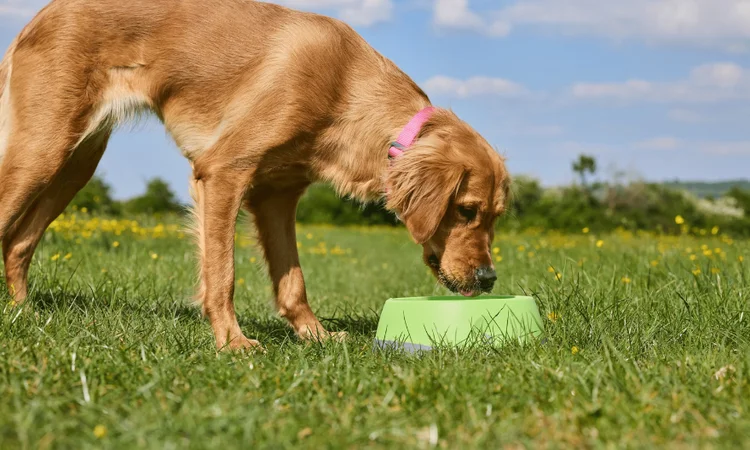
Causes of Dehydration in Dogs
While it may seem obvious that dog dehydration is caused by a lack of water, several things can make your dog dehydrated. Simply put, dehydration is caused by an imbalance between the loss and gain of fluid in your dog's body. The question you need to ask is, “What is causing my dog to lose so much water?”
Some of the key causes of dehydration in dogs include:
Not drinking enough water
Vomiting and/or diarrhoea
Conditions such as kidney disease, diabetes, etc.
Illnesses or parasite infestations
Excessive exercise
And more.
If your dog is experiencing symptoms of dehydration despite having access to fresh drinking water, be sure to contact your vet as soon as possible. Once the root cause of your dog’s dehydration is diagnosed, you can find an appropriate treatment option to help your dog get back to optimum health.
If left untreated, dehydration can lead to further problems, such as heatstroke in dogs, which can be life-threatening.
How to Treat Dehydration in Dogs at Home
Whether your dog can be treated for dehydration at home will depend on the severity of their case.
Only dogs with mild dehydration can be treated at home, as more severe cases will require veterinary intervention. Do no attempt to treat your dog at home if they show any of the following signs:
Their skin does not return to normal after several seconds after a skin test.
Their gums are pale or are dry and sticky
They are very weak, lethargic, disorientated, or have collapsed
They are vomiting and cannot keep water down
If your dog shows any of the above, call your emergency vet immediately.
If you suspect your dog is suffering with dehydration, you should call your vet to explain their symptoms, after which your vet should be able to determine your dog's condition. If your dog's case is severe, they will ask you bring them in for IV fluids, but if their case is mild, you can treat them at home.
Mild cases of dehydration in dogs can be treated at home by doing the following:
Cease all activity with your dog (such as walking, play time, etc)
Offer your dog small amount of cool, fresh water every 15-20 minutes (this slow approach allows your dogs body to absorb the fluids without causing digestive upset)
Let your dog lick some ice cubes or ice chips (the licking sensation can be calming for dogs and this will prevent them consuming too much water too quickly)
With Vet Approval: Offer your dog a small amount of unflavoured electrolyte solution, such as the Covetrus® Oral Rehydration Powder Sachets (this will replace not only water, but essential eletrolytes like sodium and pottassium that are lost during dehydration).
Offer your dog a small amount of bone broth either on t's own or mixed with more water (broth may be more appealing to your dog and entice them to drink)
If you have tried to above and your dog is still not showing signs of improvement, call your vet immediately.
How is Dehydration in Dogs Treated at the Vet?
If your dog's case is severe, there are a few treatment options your vet might recommend, such as:
Oral Rehydration Therapy - this is where your vet will encourage your dog to drink specialised elextrolyte solution toreplace the lost water and minerals.
Subcutaneous Fluid Administration - here your vet will inject fluids just under your dog's skin where it can be absorbed into the blood stream.
Intravenous (IV) Fluid Therapy - this approach delivers fluids directly into the bloodstream for immediate effect to treat moderate-severe dehydration in dogs. This will require your dog to be hospitalised for monitoring.
Electrolyte Replacement - This will involve your vet evaluating your dog's indvidual needs to replace essential electrolytes lost to dehydration. This process may involve blood tests to check what electrolytes your dog needs, and tailoring the treatment accordingly. You should not use electrolyte solutions without speaking with your vet.
Changes in diet -your dog may need a specialised diet as part of their recovery, usually to a wet food that has a higher moisture content, or by adding extra water or a broth to your dog's meals.
If your dog's dehydration is due to the heat, your vet may also try gradual cooling methods like using fans for air circulation and placing cool towels on your dog while simultaenously treating them for dehydration.
How to Prevent Dehydration in Dogs
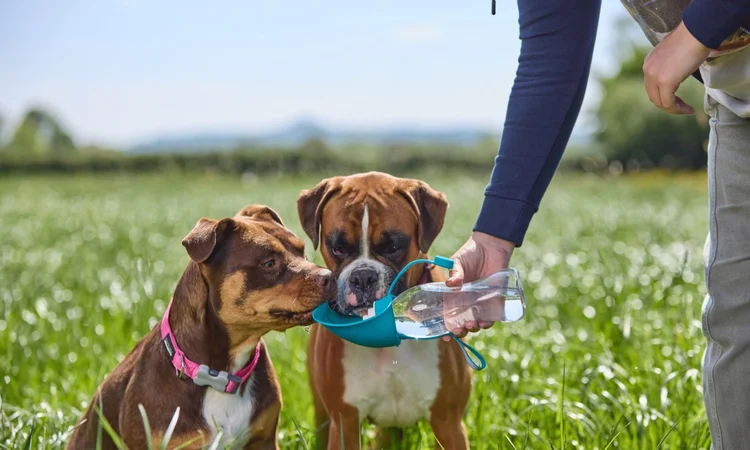
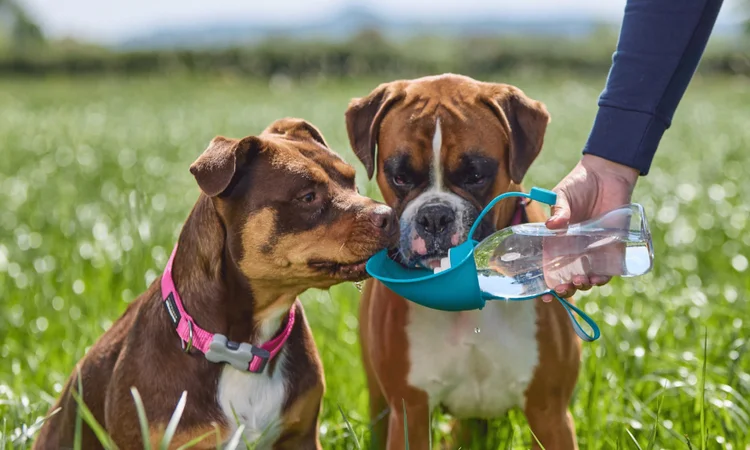
The best way to treat dehydration in dogs is to prevent them from reaching that point in the first place. Our key dehydation prevent tips for dogs include:
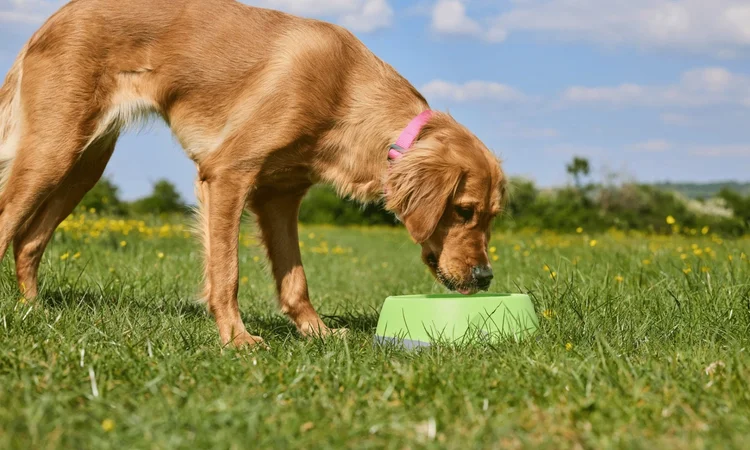
Alway having fresh, clean water available for your dog
Taking fresh and clean water with your when out with your dog (we recommend taking a dog water bottle or travel pet bowl too)
Monitor your dog's activity durig hot weather, especially excercise.
Consider introducing wet dog food to your dog's diet
Add extra moisture to your dog's meal with bone broths, liquid dog food toppers, or hydration drinks like these Furr Boost® Hydration Drinks for Dogs
Other than that, preventing dehydration is a part of maintaining your dog’s overall health. This includes:
Monitoring their water intake and bathroom habits
Ensuring your dog is up to date with their vaccinations.
Ensuring you’re up to date with your routine dog worming treatments.
Keeping up to date with your dog’s annual health checks
How To Get Your Dog to Drink More Water
There' an age old saying that "You can take a horse to water, but you can't make it drink." The same is very true of dogs, and in cases of ehydration, you may not want them drinking too much too fast anyway.
Still, there are some ways you can make water more appealing to even the fussiest of dogs, such as:
Make water more accessible - try having a bowl of fresh, clean water in every room, and even outside.
Increase the moisture in your dog's meal - you can do this by adding wet food to your dog's diet, or by just adding more water to their biscuits to make a kind of dog food soup. Liquid food toppers or water from tinned tuna are a great pick for fussier dogs.
Try giving your dog filtered water - by removing particulates and other potnetial contaminants from water can make it more appealing to your dog.
Change your dog's water more regularly - many dogs will drink from a bowl the second it's filled because tehy prefer their water cool and fresh from the source. Try changing their water daily (or twice a day) and see if there's a change in their water intake.
Clean your dog's bowl daily - dog bowls themselves can change the palatability of water for dogs because of bacteria, dirt, or other contaminates that alter the smell of the water, putting your dog off.
While there is no way you can force a dog to drink more (and you should never force a dog to drink or eat anything they don't want), trying the above tips for dog hydration could make all the difference for helping your dog consume more fluids.
Dog Dehydration FAQs
How Dangerous is Dehydration in Dogs?
Dehydration in any animal is dangeorus, including humans. Consuming enough water daily is needed for any animal in order to keep their bodies in working order.
Dehydration causes the body to lose essential electroltes while others become too concentrated in the blood, which is where the danger lies.
Without proper care or treatment, dogs can suffer further health issues, such as seizures, organ failure, and death.
Does Dehydration Cause Vomiting in Dogs?
Yes. Vomiting (with or without diarrhoea) can be a symptom of dehydration in dogs.
If your dog is vomiting, and you think dehydration might be the cause, it's crucial you call a vet as soon as possible.
How to Check for Dehydration in Dogs
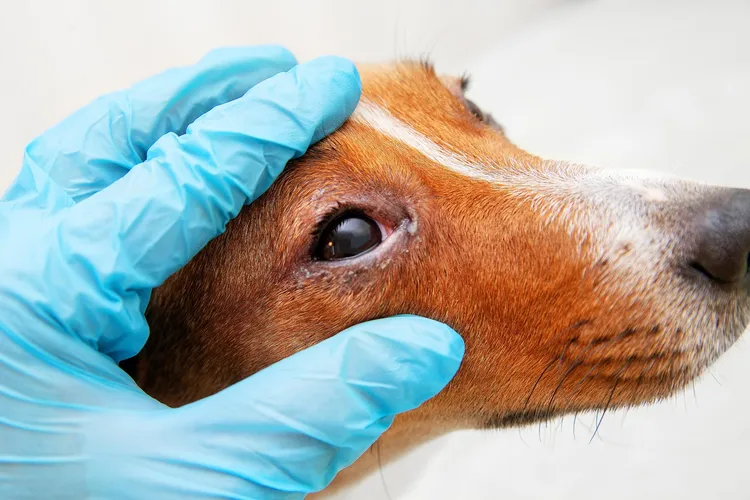
You can check if your dog is dehydrated by doing a quick body health check. Keep your eyes peeled for the following sings of dehydration in dogs:
Sunken eyes
Dry Gums
Weakness / lethargy (may potentially lead to collapse)
Loss of skin elasticity
The skin tesnsion test (STT), in particular can be a clear indication of whether your dog is dehydrated. This is a non-invasive test to evaluate the elasticity of your dog's skin to check their hydration status.
The perform an STT test on dogs:
Gently grasp the skin on your dog's back with your thumb and forefinger.
Pull gently upwards to stretch the skin slighty
Release the skin and watch how quickly it snaps back into place
If your dog's skin returns to it's original position quickly, they are hydrated. If your dog is dehydrated, it will take longer for your dog's skin to return to its original position.
If your dog's skin takes more than 2-3 secods to snap back into place after its released, it could be an early sign of dehydration. However, the Skin Tension Test alone is not enough to diagnose dehydration, so be sure to watch for other symptoms and call your vet for futher advice.
Can Dogs Die of Dehydration?
Yes, dogs can die from dehydration, especially during hot weather. However, with prompt and proper care, dogs can also make full recoveries, which is why recognising the warning signs of dehydation is crucial.
Can Dogs Drink Flavoured Water?
Beleive it or not, yes! Dogs can drink flavoured water.
Now, when we say flavoured, we mean adding something to normal water to give it a flavour and entice your dog to drink it. What we don't mean, is bottled flavoured water, which can contain artificial flavourings and sweeteners, like Xylitol, which can be toxic to dogs.
Here are some of the best things you can add to your dog's water to entice them to drink more:
Bone broths
Dog-safe fruits (such as watermelon, apples, cucumber, etc)
Diluted apple cider vinegar (which can help break down plaque to boost dental health)
Dehydration can be dangerous for your dog, but with the right care and attention, it can be avoided before any major damage is done. Make sure your dog is safe from dehydration this summer by ensuring it always has access to fresh drinking water and stays cool.





Leave a Reply
Your email address will not be published.