






Key Takeaways
Flukes are microscopic parasites that infect fish skin and gills, causing symptoms like red spots and difficulty breathing.
Proper diagnosis by an aquatic veterinarian involves evaluating clinical symptoms and microscopic examination.
Prevention of flukes includes maintaining low-stress environments, good water quality, and quarantine practices for new tank additions.
Flukes in fish are microscopic parasites that can infect the skin and gills. They commonly occur in freshwater fish that don't have proper quarantine protocols. Symptoms vary but often include red spots, excess mucus, and difficulty breathing. Stress makes fish especially vulnerable to contracting parasites, often due to dirty tank water. An aquatic veterinarian will diagnose flukes by looking at your fish under a microscope and will create a treatment plan based on the severity of the infestation. Fish respond well to medication and usually recover quickly. The best way to prevent flukes in fish is to keep your fish's stress levels low and quarantine new additions to the tank.
What Are Flukes?
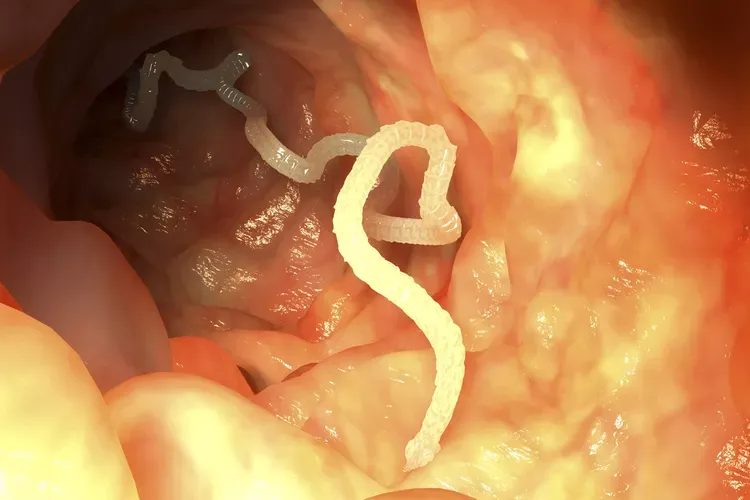
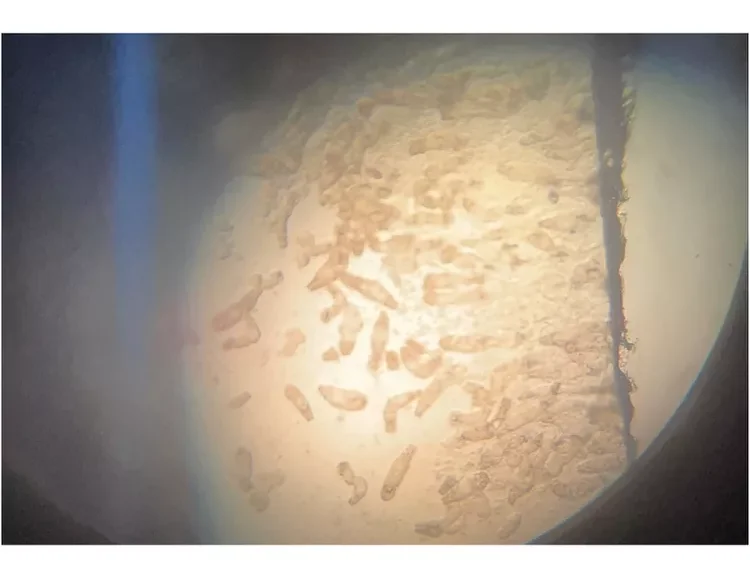
Flukes are a common name for monogenean trematodes, or flatworms—parasites that live in a fish's gills or skin. Flukes feed on skin cells and mucus, attaching themselves with their hooked mouths. The flukes reproduce by laying eggs, and warm water temperature accelerates the reproductive process. The parasite is invisible to the naked eye but can cause severe irritation to a fish's skin. The two types of flukes are Dactylogyrus and Gyrodactylus. The former infects the gills, and the latter infects the skin.
Symptoms of Flukes in Fish
Symptoms of flukes in fish are generally non-specific. Because flukes are microscopic, only an aquatic veterinarian can discern the cause of your fish's symptoms.
Symptoms
Missing scales
Red spots
Excess mucus
Hazy look to the skin
Flashing behavior
Lethargy
Decreased appetite
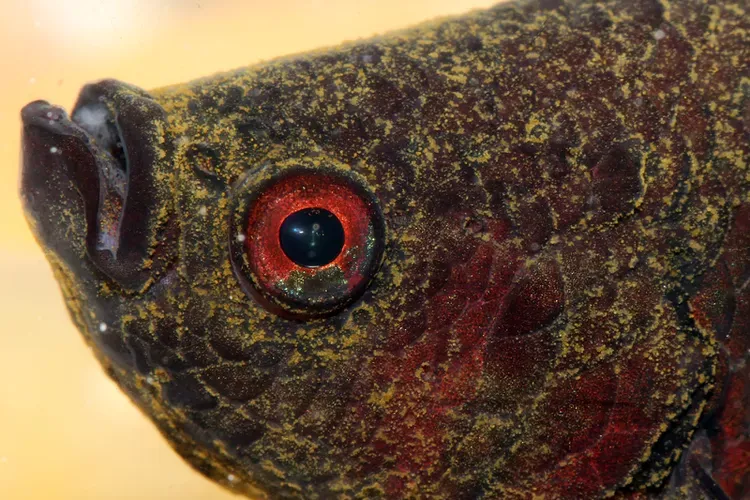
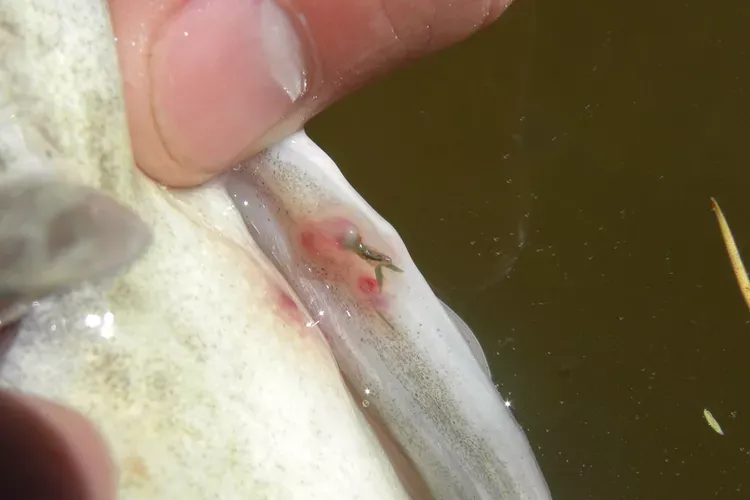
Fluke symptoms can present in a variety of ways. You may notice your fish experiencing redness or inflammation on its skin, accompanied by itchiness. Your fish may scratch itself by rubbing against surfaces in its tank, resulting in scale loss. The parasite can cause your fish's skin to develop red dots and excess mucus. When the flukes feed on the blood on the gills, the oxygen supply is affected, and your fish may breathe rapidly or spend more time at the water's surface. The lack of oxygen may also cause lethargy. Flukes may destroy a fish's fin if they go untreated.
Causes of Flukes
Your fish may contract flukes for several reasons.
Poor water quality: Poor water quality is often conducive to the introduction of parasites. Dirty water makes fish feel stressed, weakening their immune system and making them more susceptible to infection.
Improper diet: Fish that eat expired or unhygienic food are at risk of contracting parasites. A proper diet bolsters a fish's immune system, so it's essential to ensure your fish is well nourished to fight off flukes.
Crowding: Infestation levels will depend on how many fish there are in a tank and if the flukes are egg layers or livebearers. The fluke's life cycle is much quicker in live-bearing species and are easily spread among a crowded tank of fish.
Diagnosing Flukes in Fish
Flukes are diagnosed using a biopsy or skin scrape of the fish's mucus or gills and examined under a microscope. Your vet will consider the fish's clinical symptoms, but due to their non-specificity, microscopic examination is the only definitive way to diagnose flukes.
Treatment
Treatment for flukes will vary based on the water type (freshwater or saltwater), the number of fish affected, and the aquarium size. The duration of treatment will depend on which genus of fluke is present and the aquarium water temperature. Egg-laying flukes that live in cold water require longer treatment periods. Determination of the genus of fluke on your fish is helpful for the proper treatment since only certain life stages are treatable with medication.
Your veterinarian may recommend treatments such as a medicated bath, oral medications, or injections for severe infections. If your fish has lost its appetite, oral medication may not be effective. While bath treatments are beneficial, they can inadvertently harm the aquarium's biological filtration if not administered correctly. Low-level infestations might not require treatment, particularly if your fish shows no symptoms.
Prognosis for Fish With Flukes
Recovery for fish that have received treatment for flukes is usually quick and successful. Within days, you will notice your fish's behavior returning to normal, and by two weeks, your fish will likely recover fully. Gill flukes, however, are more challenging to treat than skin flukes. If the gill flukes are resistant to treatment, the prognosis is guarded, as the parasite can continue to damage the fish's tissue.
How to Prevent Flukes
To prevent fluke infestations, provide your fish with a low-stress environment. This includes good water quality and maintenance practices, feeding a proper, nutritious diet, and adhering to strict quarantine protocols for all new additions to the tank.
Use an isolated aquarium with separate equipment and filtration for a proper quarantine. Do not allow water to splash between systems; be sure to wash your hands between maintenance rotations. You must enforce a four to six-week quarantine period depending on your fish species and water temperature. It's significantly easier and cheaper to treat just a few fish in the isolation aquarium than in a larger aquarium or pond.
Are Flukes Contagious to Humans?
Thankfully, monogenean flukes are not contagious to humans or other pets. They are strictly aquatic parasites and cannot survive outside of the water or penetrate human skin.
FAQ
What counts as a new addition to a tank?
A new addition to a tank includes fish and crustaceans, plants, and decorations. Anything that could transport a parasite into a tank should be quarantined.
Can I see flukes on my fish's skin?
Flukes aren't visible to the naked eye and can only be identified under a microscope. You won't be able to see the flukes themselves, but you may be able to see the red spots they leave behind.
How do I reduce my fish's stress?
The best way to keep your fish's stress low is to make sure the water in its tank is high quality.






Leave a Reply
Your email address will not be published.