



Key Takeaways
Velvet disease is a serious condition caused by dinoflagellate parasites, requiring immediate attention to prevent fish mortality.
Diagnosis involves a physical exam and microscopic evaluation by an aquatic veterinarian.
Effective treatments differ for freshwater and marine fish, including copper medications and salt immersion, emphasizing the importance of proper quarantine and water quality maintenance.
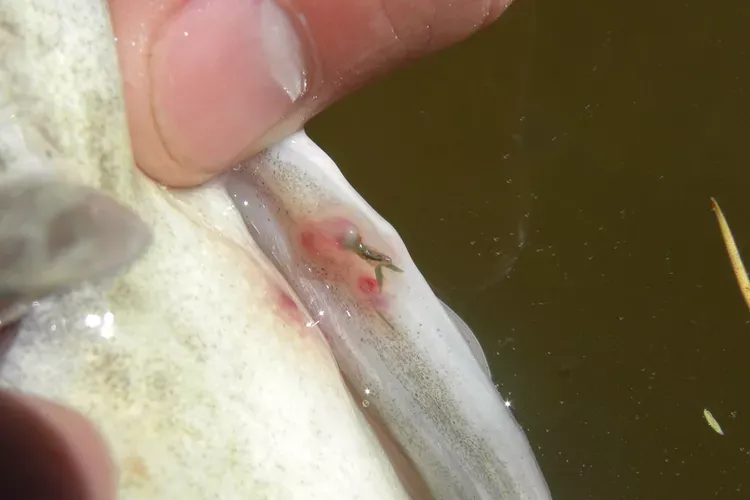
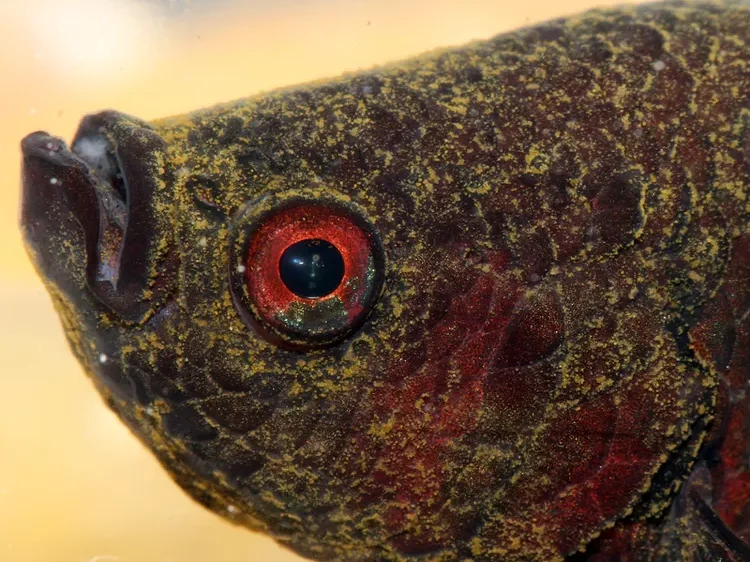
Velvet disease in fish is caused by thedinoflagellate parasites Piscinoodinium pillulare in freshwater fish and Amyloodinium ocellatum in saltwater fish. These two parasites have identical clinical signs and presentation, but they have very different treatments. Also known as "rust" or "gold dust" disease, this parasite infestation can very quickly kill your fish if not diagnosed and treated correctly and quickly.
Signs of Velvet in Aquarium Fish
The classic clinical presentation of velvet is that your fish appear to be dusted with a fine yellow or pale powder. Other signs include respiratory distress, increased respiratory effort/rate, lethargy, and sudden death.
Causes of Velvet in Aquarium Fish
The most common cause of any parasite infestation in an aquarium is an incomplete quarantine protocol. If fish are not properly quarantined once they come home from the pet store for four to six weeks, there is an increased risk of thenew fish bringing in infectious diseases, including bacteria, viruses, and parasites.
Most fish move through a vendor so quickly that they may not show any clinical signs of disease until a few days to weeks after you bring them home. Rather than having them get your entire tank of fish sick, by keeping them isolated in a quarantine tank you can treat a smaller volume of water and significantly fewer fish. Treating the new fish in a quarantine tank also decreases the risk of the death of your fish.
The life cycle of velvet is almost identical to that of white spot disease or ich. This is significant because both parasites go through encysted life stages, called trophont (feeding) or tomont (reproducing) stages, that are resistant to almost all treatments. Only the dinospore (free-swimming) stage is susceptible to medication. With this life cycle, proper treatment duration and repetition is key. All it takes is one rogue trophont or tomont brought inon a new fish to infect your entire aquarium very quickly.
Diagnosis of Velvet in Aquarium Fish
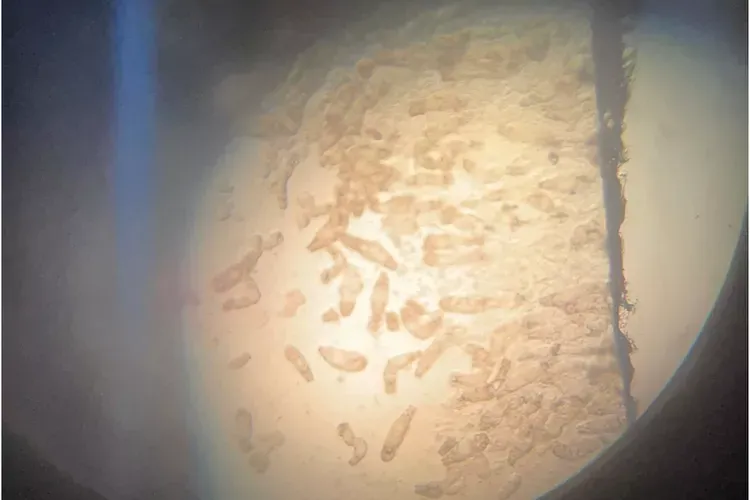
The correct way to make a diagnosis of velvet is performed by your aquatic veterinarian during your fish's physical exam. Small dots on your fish's body can be easily confused for fin ray fractures, lymphocystis, or white spot disease. As part of your fish's exam, a small gill and skin biopsy sample will be taken for microscopic evaluation. Under low magnification, your veterinarian can easily identify the parasite responsible for making your fish sick and prescribe an effective treatment.
Although two different generaare responsible for velvet, the diagnosis and clinical signs are the same for marine and freshwater fish. However, your freshwater fish cannot be infected by marine velvet and vice versa.
Treatment of Velvet in Aquarium Fish
Once a definitive diagnosis has been made, it is critical to start treatment immediately in order to save the lives of your fish. Again, because of its life cycle stages, your treatment will only target the dinospore stage. You must wait for the trophonts and tomonts to develop to this stage in order to completely eradicate this infestation. Timing and duration of treatments must be carefully planned with your veterinarian—taking into account your tank's temperature—in order to successfully treat your fish.
The best treatment for velvet in marine fish is copper. There are commercial fish medications available that contain copper formulations. Follow the label directions carefully. Other treatments, such as freshwater dips for three to five minutes, and commercial fish medications containing formalin orhydrogen peroxide, are sometimes effective, especially when fish are moved into a clean aquarium.
For freshwater velvet, increasing the water temperature and turning off the lighting will help reduce the growth of Piscinoodinium. The safest and most effective method is a salt-immersion treatment (salt water dip). Commercial copper medications can also be used, but beware of their effects on alkalinity and pH. Follow medication label directions carefully.
A final note on treatment is to ensure your aquarium is at the correct temperature and has proper water quality. No medication will cure your fish when the water is bad. Remove all activated carbon from filtration when medicating; it will remove the medicine from the water.
How to Prevent Velvet in Aquarium Fish
In order to protect your fish against velvet, it is critical to have effective quarantine protocols in place for all incoming fish, invertebrates, and plants. All new additions should be quarantined for four to six weeks in an isolated aquarium under careful observation. There is no pet store that can guarantee your fish are healthy because they do not stay more than a few days in their facility. It can take several days to weeks, depending on your water temperature, for clinical signs of diseaseto develop.
Don't risk the lives of all your fish! Properly quarantine all new potential tank additions, and it will save you stress, money, and the lives of your fish.






Leave a Reply
Your email address will not be published.