







Parasites can be a pain, and while these little critters are small, the damage they do can be disastrous! This blog will look closely at one of the smallest (microscopic, even) parasites that can impact your dog - Giardia.
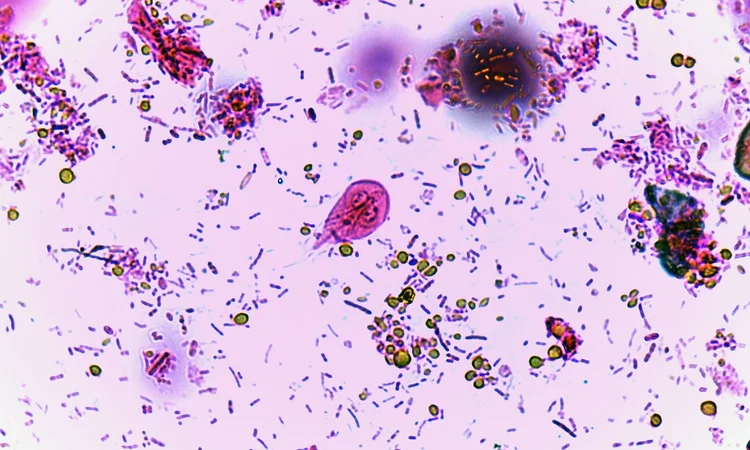
What is Giardia in Dogs?
Unlike fleas and worms, Giardia (Giardia duodenalis,Giardia intestinalis or Giardia lamblia) is a parasitic protozoan (single-celled microorganism) that can be found worldwide. The parasite thrives in poor water quality or sanitation areas, making it a top contender for dogs that drink from whatever body of water they can find.
Much like worms, Giardia is spread through infected faeces, contaminating other animals, vegetation, and water sources. Before they're expelled from the host body, Giardia cells protect themselves by creating cysts around themselves like a shell. According to the CDC, these cysts allow the parasite to survive in the environment for weeks (or even months) before being picked up by a new host. Once ingested, the shell of these cysts dissolves, and the parasite is free to start its life cycle again.
Giardia in dogs often displays as digestive trouble, like diarrhoea and greasy stools. While it's rarely fatal for healthy adult dogs, if left untreated, Giardia can cause secondary health complications such as:
Dehydration
Malnutrition (especially in puppies and senior dogs)
Poor growth and development (in puppies)
Chronic digestive trouble due to damage sustained to the gut microbiome
Giardia is highly contagious between dogs, especially those living in close quarters, but in rare instances, Giardia may also be passed from dogs to humans.
How Does A Dog Get Giardia?
As we've mentioned, Giardia is predominantly spread through the stools of infected animals, but how does that translate to your dog contracting the parasite?
Below, we look at the most common ways pets can contract Giardia from their environment:
Contaminated Faeces
Gross as it is to think about, some dogs do love to chow down on poop when the chance arises, and they are not usually picky about whose poop it is. According to Wildlife Online, Giardia is one of the main parasites infecting red foxes in the UK, contributing to the spread of this parasite (among others) to pets and people.
It only takes your dog consuming a small amount of contaminated faeces to be infected with Giardia, which means dogs who regularly munch on other animals' poop are at high risk of infection. Dogs that roll in fox poo may also ingest the Giardia cysts when grooming themselves after a good poop roll.
Contaminated Water
One of the most likely ways pets can contract Giardia is by drinking contaminated water. This water could come from ponds, puddles, streams, or other standing (non-flowing) sources.
But Giardia isn't the only parasite that could be picked up from standing water, and some lakes and ponds also contain toxic blue-green algae. This is why training your dog a “Leave it” command, especially when walking them off-lead, is essential to prevent them from drinking potentially contaminated water.
From the Environment
While Giardia is spread through faeces, the cyst-protected parasites can survive in the environment even after the faeces themselves are gone. This means that vegetation (like grass) and soil can easily become contaminated just waiting for another host to come along and ingest them to start the cycle all over again.
According to the CDC, “Giardia survives much longer in moist, cool environments,” which makes contaminated soil a problem since dogs can ingest these cysts while digging in the garden or grooming themselves after digging.
If your dog eats soil or grass, you can learn more about how to prevent this behaviour in our blog.
Contamiated Surfaces
Giardia can also be contracted by both cats and dogs by licking contaminated surfaces or even grooming themselves after touching a contaminated surface.
For cats, this could be cleaning their paws after being in the litter box, while dogs can be at risk from dog crates if they lick the inside or groom themselves after being inside.

[Pictured: A German Shepherd dog rolling in the grass.]
Giardia Symptoms in Dogs
Giardiasis, or an infection from Giardia, often causes gastrointestinal problems, including but not limited to:
Watery diarrhoea (often foul-smelling)
Greasy stools
Gas
Nausea
Weight loss
Stomach pain
Since dogs can’t tell us when they’re feeling unwell or in pain, it's important to monitor their behaviour for any of these signs and symptoms of Giardia.
Treatment for Giardia in Dogs
If you think your dog is suffering from Giardiasis, it’s essential you take them to the vets for a professional diagnosis. This typically involves collecting a stool sample over a few days for your vet to examine under a microscope for signs of cysts or other pathogens.
Once Giardia has been identified, your vet will determine the treatment depending on the severity of your dog’s case. For most cases of Giardia, vets will recommend treatments containing fenbendazole (an antiparasitic treatment) and metronidazole (an antibiotic). How long the course of antibiotics needed will vary on a case-by-case basis.
Once your dog has completed their course of antibiotics, you'll likely need to provide another stool sample for your vet to examine to ensure the infection is gone.
In more severe cases of Giardiasis, particularly when severe diarrhoea or dehydration is present, your dog may also need fluid treatments, but this is down to your vet's discretion.
What to Feed a Dog with Giardia
Dogs with Giardia are likely to experience digestive problems, particularly diarrhoea.
Because of this, many vets recommend feeding your dog a highly digestible diet while undergoing treatment, such as boiled chicken and rice. Your vet may also recommend a dog probiotic supplement, like the Protexin® Pro-Kolin Probiotic Digestive Support Paste, to help ease your dog’s discomfort and promote better stools.
If you don’t want to give your dog additional supplements alongside medications, add natural probiotic ingredients (such as pumpkin, cottage cheese, kefir, broccoli, banana, or sweet potato) to your dog's chicken and rice.

[Pitured: A red Golden Retriever walking on lead beside a lake]
How to Prevent Giardia in Dogs
There are a few steps you can take to keep yourself and your dog protected from Giardia, including:
Ensuring your dog doesn’t eat or drink anything they shouldn’t (this is where having a strong “leave it” command under your belt is very handy)
If your dog cannot be trusted not to drink things they shouldn't, keep them on a lead when walking near water. Instead, bring a portable dog water bottle with you.
You should regularly clean your dog’s living spaces, such as bowls, crates, beds, and toys, with a pet-safe disinfectant.
Bathe your dog regularly to remove any Giardia cysts from their fur (yes, Giardia cysts can get stuck in it) and pay close attention to their paws.
Clean up as quickly as possible after your dog – this will also help prevent infections in other people and animals if your dog has been diagnosed with Giardia.
While following these steps won’t eliminate the risk of your dog getting Giardia (because parasites can be tricky creatures), it will lessen their odds.
Giardia in Dogs FAQs
Does Giardia in Dogs Go Away On It's Own?
In some cases, Giardia can go away by itself. However, this tends to be in mild cases or when your dog is asymptomatic (not showing symptoms).
Treatment is typically recomended in more severe cases, or to prevent any secondary complications like poor nutrient absorption, weight loss, or continued spread of Giardia.
The severity of your dog's case will drastically impact the treatment needed, so it's best to discuss this with your vet.
Is Giardia Contagious?
Yes! Not only is Giardia contagious from dog to dog, but may also be passed to and from other animals, including pets, wildlife, and even humans.
This is why if your dog is undergoing treatment for Giardia it's imperitive you are prompt with cleaning up their poop and follow strict hygeine practices in the home, especially if you have multiple pets.
Can Humans Get Giardia from Dogs?
Yes, but only in rare cases. While Giardia is zoonotic, it's far less likely to be passed from a dog to a human. Make sure you always wash your hands after cleaning up after your dog and follow proper hygeine practices at home to prevent the spread.
Can Cats Get Giardia From Dogs
Potentially. While the species of Giardia that infects dogs is typically not the same as the Giardia that infects cats. However, when other strains of the parasite are involved, it can be passed from dogs to cats.
Giardia in dogs can be a problem, but with the right care, treatment and preventative measures, your dog will be back to themselves in no time! Make sure you're protecting your pet from parasites with our extensive range of flea and worming treatments availale from industry-leading brands at Pet Drugs Online.






Leave a Reply
Your email address will not be published.