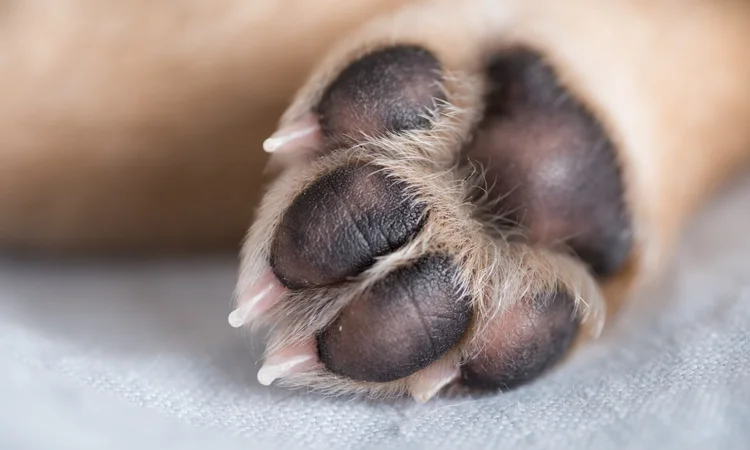
Your dog’s paw pads are an essential part of their foot's structure and help with your dog’s movement, stability and shock absorption. They are also one of two places where a dog can sweat. With so much relying on your dog’s paws, it’s important to for you as an owner to know how to keep them nice and healthy.
In this blog, we’re going to talk you through some of the most important aspects of dog paw care, including temperature warnings, possible conditions and recommendations on a number of paw care products.
Why Do Dogs Lick Their Paws?
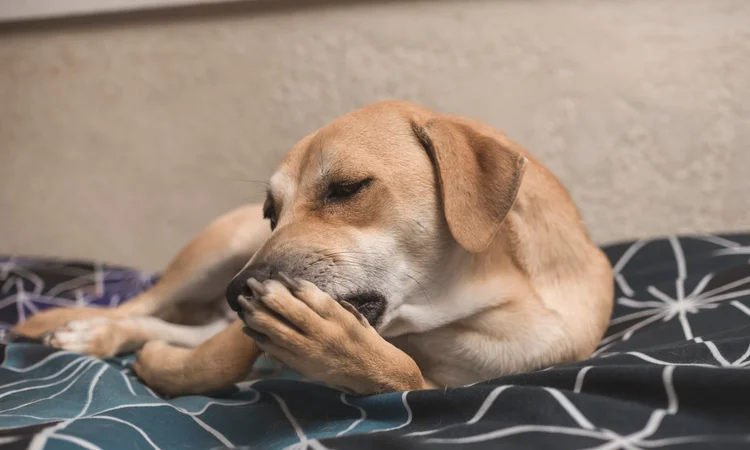
You may notice while your dog is having some downtime that they seem to be licking their paws a lot. There are a number of reasons for this, one of the most common being self-grooming. When they’re outside, it's your dog's paws that are subject to terrain, dirt and debris, so they often spend a lot of their grooming time making sure they’re clean.
However, if your dog is licking their paws more often or more intensely than usual, it can be a sign something is wrong, including:
Skin conditions (such as dermatitis, allergies, or pododermatitis in dog paws)
Anxiety or stress, so they’re grooming to try and soothe themselves.
They’re in pain from a cut, scrape, or other reasons.
They’ve picked up a parasite from the ground, such as fleas, ticks or biting lice.
Even if none of these are the reason for your dog’s paw licking and they’re just being rigorous with their cleaning, it’s still important you find a way to try and dissuade them. Over-licking their paws can lead to a build-up of moisture in the area which can quickly become a bacterial or yeast infection.
If you're at all worried about your dog’s behaviour with their grooming or their paws, book a consultation with your vet as soon as you can for a professional diagnosis.
How to Stop Dogs Licking Their Paws
In many of the above cases, the route to stopping your dog from licking its paws is to remove the obstacle that is making them lick so much in the first place. If your dog is anxious, find ways to help them deal with their anxiety. If they’re suffering from any irritation or condition, speak with your vet as soon as possible to find an appropriate treatment plan.
If your dog’s pay licking is a behavioural quirk unrelated to anxiety or stress, or your dog is an avid cleaner, there are still ways to try and limit any unnecessary licking, such as:
Cleaning your dog’s paws for them after a walk
Using a dog paw balm or moisturiser, like this Animology Paw and Nose Balm, to soothe their skin
Applying a dog deterrent such as this Grannick's Bitter Apple Spray to deter your dog from chewing the area.
In extreme cases, you may need to use dog booties or an Elizabethan dog collar to prevent licking.
How to Care for Your Dog's Paws
Caring for your dog’s paws goes beyond deterring licking and biting. You also need to make sure that their paws are kept healthy the rest of the time to avoid any pain or injury. Every month when your trim your dog’s claws, make sure to give your dog’s paw pad a look over as well to ensure everything is looking healthy.
Keep an eye out for:
Anything lodged between the pads and the toes, such as pebbles or thorns.
Any cuts or abrasions to the area (makes sure to clean and bandage the area as well to prevent infection)
Dry or cracked skin, especially in the winter months.
Can Dogs Burn Their Paws on Hot Pavement?
In particularly hot weather, the tarmac or pavings of paths and roads can become dangerously hot for your dog to walk on. This can result in burns on your dog’s paw pads and make them crack or even bleed.
If you’re ever worried that the pavement is too hot for your dog, think if you would walk on it barefoot. If it’s too hot for human feet, it’s too hot for dog feet.
As a dog owner, it’s your responsibility to ensure that your dog is healthy and happy, both inside and out, and caring for their paws is just one way you can help. If you want to do more to support your dog’s health, then why not check out our great range of dog healthcare products from some of the leading brands on the market?




Leave a Reply
Your email address will not be published.