







As dogs get older, the requirements of their care change, much like with people. While these changes will vary from dog to dog, there are a few general aspects of their care to bear in mind if your dog is reaching senior age or you’re planning to adopt an older dog.
What Age is a Senior Dog?
There is no exact age when all dogs are considered to be senior because not all dogs age at the same rate. Some breeds, particularly smaller ones, have a much longer lifespan than their largest counterparts. For example, the average lifespan of a chihuahua is between 12-14 years, with some living until 20, whereas the average lifespan for a Great Dane is between 6-8 years.
With this in mind, the general consensus for when dogs are considered senior is as follows:
Small Dogs - 11-12 years
Medium Dogs - 10 years
Large Dogs - 8 years
Giant Dogs - 6-7 years
Once your dog is within this age threshold, you may begin to notice changes in their health and behaviour, such as:
Lower energy levels
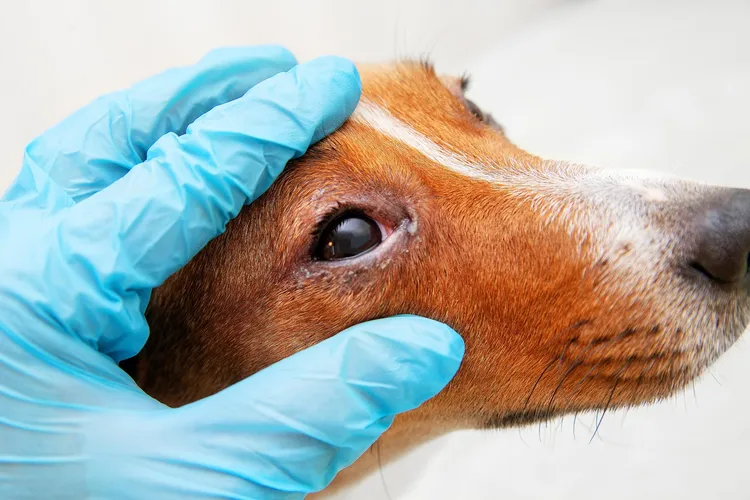
Loss of hearing
Loss of vision
Loss of teeth
And more.
Senior dogs typically require more support than adult dogs, especially if they start to struggle with mobility. This might mean making adjustments to your home, such as introducing ramps for sofas and stairs, as well as changing their diet.
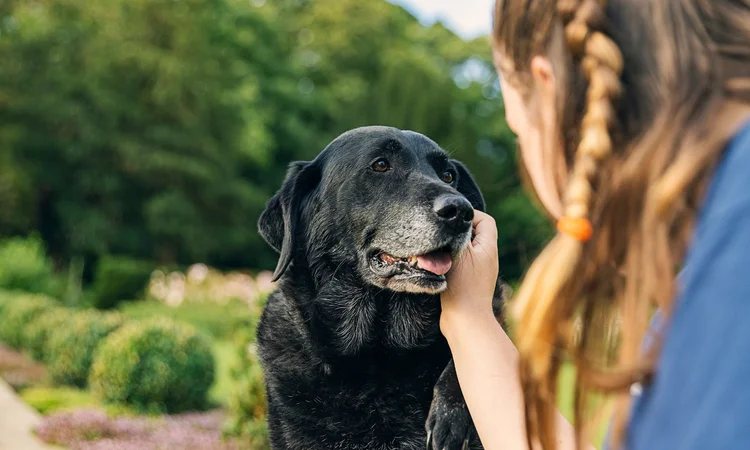
Health Conditions in Senior Dogs
As well as issues with sense and mobility, older dogs are also more prone to a number of health conditions, especially if they haven’t received preventative care earlier in life.
These conditions vary in severity but can take a toll on your dog’s health and well-being, as well as altering the type of care they’ll need from you as an owner.
As opposed to when they were young, senior dogs should be seen by a vet every six months so that any conditions they may start to develop can be caught early and your dog can receive the treatment they need to manage the condition.
Some of the health conditions in older dogs include:
Obesity (from lower energy levels)
Diabetes
Heart failure
Arthritis
Kidney disease
Hypothyroidism
And more.
Many of these conditions can be managed with medications prescribed by your vet or even by changes to your dog’s diet and lifestyle. Speak with your vet if you think your dog may have any of these conditions, and they will be able to advise you.
Senior Dog Food
Once your dog becomes a senior, their dietary requirements change, much like when a puppy becomes an adult. During this time, you may notice some changes in your dog's appetite as well as their weight. As their energy levels change, dogs can become more prone to obesity if their diet remains the same as when they were an adult.
Once your dog is considered a senior, it’s important to transition them to senior-appropriate dog food. Not only do senior dog foods have lower calories and less fat, but they also provide a higher protein content and less carbohydrates. Plus, many senior dogs foods will include added vitamins and minerals to help maintain your dog’s health and well-being as they continue to age, such as:
L-carnitine to help increase the conversion of fat to energy
Glucosamine, chondroitin and MSM for extra joint protection
Probiotics and digestive enzymes for healthy digestion and nutrient absorption
And more.
If you think your dog’s diet is lacking any essential vitamins and minerals, we’d recommend introducing dog supplements suitable for senior dogs.
Senior Dog Supplements
If your dog is not getting all the necessary vitamins and minerals from their diet, you can introduce dog supplements to help. These supplements can also be a good idea if your dog has been diagnosed with a particular condition and could do with the extra support these supplements offer.
Some of the recommended supplements for senior dogs include:
A suitable joint supplement, such as the YuMOVE Joint Care Supplement for Senior Dogs, to aid their mobility.
A suitable multivitamin, such as the NutriScience SeniorAid Multivitamin Supplement, can cover potential deficiencies in their diet.
A suitable digestive aid for dogs to help maintain the delicate balance in their gut and promote digestion, the immune system, and more.
Always speak with your vet before introducing anything new to your dog’s diet, including supplements. In some cases, too much of certain vitamins in the body can be just as damaging as too little.
In our Guide to Age-Specific Dog Foods, you can learn more about the difference between senior dog food and adult dog food.
Exercising Senior Dogs
While their energy levels may not be as high or their mobility not as smooth, senior dogs still need regular daily exercise. Not only is this important for managing their weight, but it also helps offer them mental stimulation and can prevent certain conditions (such as arthritis) from worsening.
The key things to remember when exercising an older dog to ensure you don’t push them too far:
Exercising little and often is better to prevent stiff joints from worsening and may be easier for your dog to handle.
Walking provides more than exercise. It's also a good means of mental stimulation, and it offers your dog a chance to sniff, stretch, and get some fresh air.
Be wary of the temperature and weather. Older dogs, especially those with arthritis, do not do well in the heat or the cold.
Indoor play is also a form of exercise, such as using puzzle toys.
Don’t push them too far. If your dog can’t walk any further or can’t play anymore, let them take a rest.
If your dog seems to be having more trouble getting around the house, climbing the stairs, or getting in the car, speak to your vet as soon as possible for advice.
While older dogs may not be as sprightly as they were in their youth, they still have a lot of love to give and deserve just as much love and care as any puppy or adult dog. If you want to help your senior dog feel their best, keep up with their routine health and ensure they’re getting all they need from their diet. You can shop our range of senior dog foods from some of the top brands below.





Leave a Reply
Your email address will not be published.