






There’s something wildly fulfilling about raising a little puppy into a full-grown healthy dog, which is one of the reasons why owners across the board would rather welcome a new puppy into their home rather than a grown dog.
While this is understandable, it’s important that the proper precautions are taken to ensure that the puppy you bring home is healthy and not prone to a number of health concerns associated with unethical breeding practices, as well as making sure you’re not enabling a puppy farm.
Here, we take a look at the most important aspects of finding a dog breeder so you can ensure the health and well-being of your new puppy.
Dog Rescue Vs Breeder
Everyone has heard the term “adopt, don’t shop”, and while rescuing a dog is a much better option for those who just want to bring a new dog into their home, unfortunately, it isn’t a suitable option for everyone.
In some instances, buying a puppy from a breeder is unavoidable, especially in instances where:
You or a member of your family have dog allergies - some dogs are specifically bred to be hypoallergenic, and so may not b easy to come by through adoption.
You need the dog as a working dog - those choosing a new working dog, particularly farmers, may need a puppy that is bred from working stock and has a temperament suited to training or is already used to being around livestock.
You’ve fallen in love with a specific breed - Reputable breeders are experts in their chosen breed and will be able to inform you about everything you need to know about your new pup, which may not be the case with rescues.
You want to know the puppy’s history - If you’re looking for a new family dog, you may want to know everything you can about the puppy’s history and parents to do your best to find one with a temperament suitable for being around children, or to know about any potential health risks they’re susceptible to.
While adopting a dog from a shelter is a much preferable option, and there are hundreds of dogs across the world who are in need of loving homes, like those cared for by our charity partner, The Cotswold Dogs and Cats Home, we understand that this isn’t possible for everyone.
If this is the case for you, then you can learn all about finding a reputable breeder below.
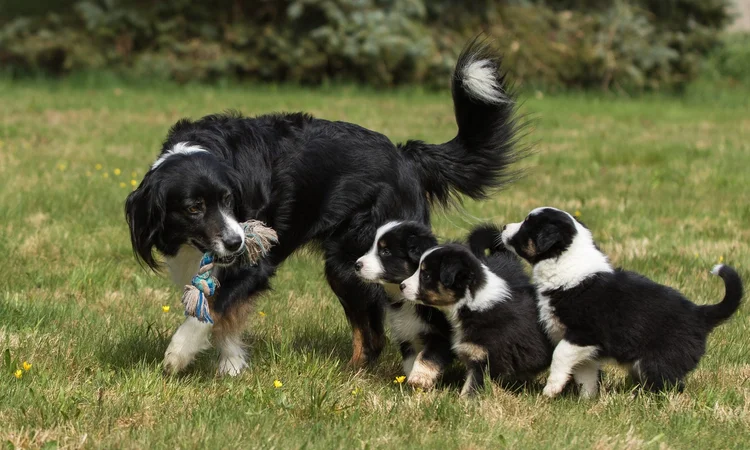
How to Find a Good Dog Breeder
In the UK, anyone who is planning to breed dogs as a business is required by law to have a valid Dog Breeding License. These licenses are necessary to ensure the dogs being bred are safe, in good health, and well cared for, as well as any of the puppies they produce. Any reputable breeder will have one of these licences which you should ask to see before you even consider getting a puppy from them.
Reputable breeders may also register themselves with institutions like the Kennel Club Assured Breeders Scheme to advertise their puppies, though this is not a legal requirement.
These kind of reputable breeders are subject to visits and inspections from officials to determine if their establishments are in keeping with puppy breeding laws and that the welfare of the dogs are at the heart of what they do.
You can find a reputable breeder by:
Using search functions on dog breeding sites, such as the Kennel Club.
Asking your local vet for recommendations.
Speaking with friends and family who have bought from breeders.
Asking those who run dog-centred businesses, such as dog training clubs, dog groomers, and more.
Once you think you’ve found a reputable breeder, it’s time to do your research and ensure that their business is legitimate and that the health, well-being, and happiness of their dogs and puppies are at the heart of what they do.
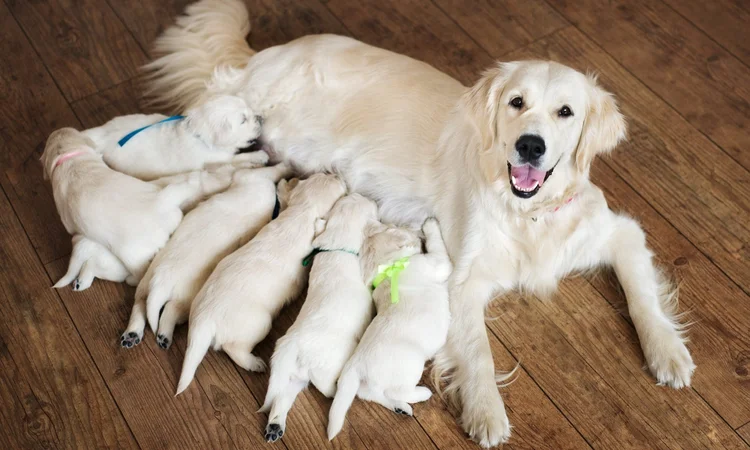
Reputable Dog Breeder Checklist
Once you’ve found a breeder, it’s time to ensure that they are reputable and not just breeding dogs for profit. This can be tricky, especially if you know someone who has bought a puppy from the chosen breeder, as they may not have done the relevant check to ensure the breeder is ethical or even licensed.
Before you even look at the breeder's puppies, make sure you:
Speak with the breeder directly and learn all you can about their establishment and the dogs they breed.
Ask to see their Dog Breeding Licence.
Discuss the terms of buying a puppy from them - reputable breeders often have a contract in place for those who buy from them to ensure the welfare of their puppies out of their care.
Find out if they have a waiting list, as most reputable breeders will.
Visit their establishment in person to see the conditions the dogs and puppies are living in.
Once you’ve done the above, you can begin considering buying a puppy from the breeder.
Signs of a Good Dog Breeder
If you’re still unsure whether a breeder is legitimate or whether they’re a good choice to buy from, consider the following:
Are they happy to talk to you and answer your questions?
Are they willing to have you visit more than once?
Are they willing to share the relevant paperwork with you?
Will they let you meet both parents of the puppies? Or, at the very least, the mother? Reputable breeders should still have information on the father of their litter, even if the dog isn’t theirs.
Are they asking you questions? Reputable dog breeders want to ensure their puppies are going to good homes and are willing to refuse people from buying a puppy.
Are they knowledgeable in the breed?
Are they willing to sign a puppy contract?
Do they have a waiting list?
If the answers to the above questions are yes, then you’re in luck. You’ve likely found a reputable breeder who values the health and well-being of the dogs both in their care and out of it.

Signs of a Healthy Puppy
Finding a reputable breeder is only the start of the journey. You still need to ensure the health of the puppy you choose, as there still may be a chance of unethical breeding practices, particularly with purebred or pedigree dogs.
When the time comes for you to choose your puppy, follow this healthy puppy checklist to ensure your chosen puppy is in the best possible health. Many breeders who are experts in their breeds and the potential health defects are likely to withhold a puppy that is unhealthy and not try to sell it to you
When you choose your puppy, ensure they are bright, active and friendly with both humans and their littermates. Almost make sure to run through this healthy puppy checklist:
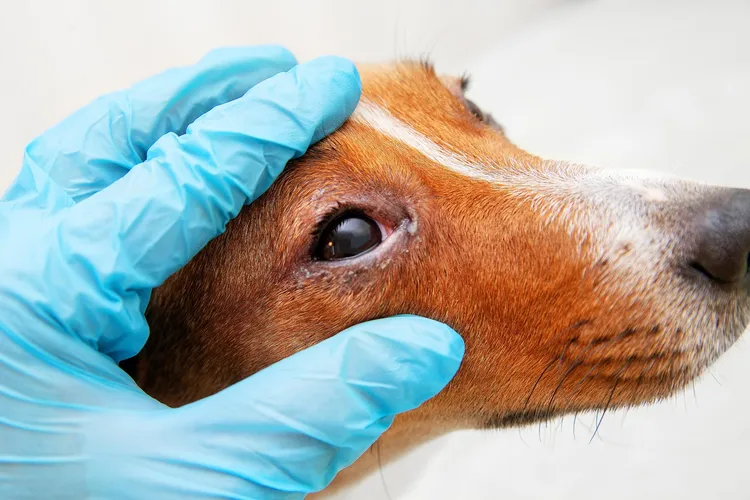
Are their eyes clear and bright with no signs of dirt or redness?
Are their ears clean with no signs of debris, wax, ear mites or noticeable odours?
Are their noses cold and slightly wet with wide-open nostrils?
Are they breathing easily and quietly without snoring, wheezing, grunting or coughing?
Is their skin and coat clean, soft and dry with no signs of matting, noticeable sores, irritation, or fleas?
Are their mouths clean, teeth white, and gums pink and healthy?
Are their legs strong and sturdy, with no signs of limping, lameness or difficulty walking?
Are the bottoms clean and dry under their tails?
Are they a good and healthy weight for their breed with no signs of bloating or visible ribs?
Are they fully weaned from their mothers and old enough to leave them (8 weeks at the very least) if you take them home that day?
If the answers to the above are yes, then congratulations! You’ve found a happy and healthy puppy. Make sure that you complete this checklist twice: the first time you meet the puppy (as you should be meeting them more than once) and when it’s time to take it home.
You should also ask your breeder to complete a puppy contract to ensure the validity of the sale and provide you with up-to-date contact information so you can keep in touch with them as your puppy grows.
When you do take your puppy home, be sure to schedule a professional health check with your vet as soon as possible.
What is a Puppy Mill?
Sadly, as dogs are so popular and certain breeds go through phases of becoming more popular, the supply of puppies from reputable breeders can’t meet the demand. This is where puppy mills (also known as puppy farms) come into play.
A puppy mill is a term given to establishments that breed puppies for sale in poor living conditions on an intensive basis, meaning a single bitch could have more than one litter within 12 months, which is one of the situations explicitly banned by the Dog Breeding License.
In puppy mills, the welfare of the dogs and puppies is secondary to the money earned through their sale. This means that many of the dogs and puppies are not getting adequate veterinary care during pregnancy or after birth, nor do they get adequate love or socialisation. The conditions they’re kept in are typically inhumane, and puppy mill breeders pay little attention to the genetic conditions that might be passed to the litters, which lead to unhealthy puppies more prone to life-threatening conditions, poor temperaments, and behavioural problems. Puppies from puppy mills are often taken from their mothers too young, and they are sold far younger than the 8-week minimum.
These kinds of operations are illegal in the UK after the passing of Lucy’s Law in April 2020. Still, puppy mills remain and prevalent problem in the UK and worldwide. If the answers to the above-mentioned questions are no, then you may be at risk of purchasing from a puppy farm.
In these instances, it is imperative that you report the establishment to the local authorities and rescues and do not buy a puppy from them. While it can be hard to walk away from puppies in this situation, buying from a puppy farm will only encourage and enable the establishment to continue.
Some of the most popular breeds found in puppy mills include:
Labrador Retrievers
Chihuahuas
Boxers
German Shepherds
Dachshunds
And many more.
By being cautious with your choice of breeders and taking the proper precautions, you can ensure that the puppy you take home is in the best possible health and also avoid enabling puppy farms.
Not all breeders are puppy farmers but are passionate about the breed, truly love the dogs in their care and take the proper measures to ensure the well-being of the puppies they produce long after they’ve been taken to their new homes. If you are considering buying a puppy, make sure you have researched the breeder and any health concerns of the dog’s breed.
To ensure your new puppy's ongoing health, be proactive with routine healthcare, nutrition, and toys. Our range of puppy essentials includes some of the top brands in the industry.




Leave a Reply
Your email address will not be published.