





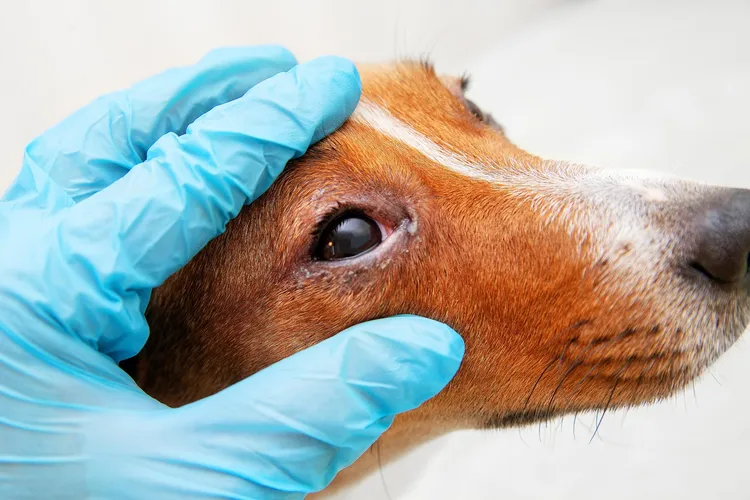
It’s likely we’ve all felt a little woozy while on the road, but did you know it’s also possible for dogs to get car sick? For some, it’s just a passing bout of nausea that clears up with time to adjust to the motion, but with others, car sickness in their dog can become a real obstacle.
In this blog, we will look at what causes car sickness in dogs and what you can do to help them re-on the road.
Can Dogs Get Motion Sickness in Cars?
Yes, dogs can suffer motion sickness when in cars, just like humans do. While this tends to be a more common occurrence in younger puppies who are yet to fully develop, it can carry on into adulthood for some dogs.
What Causes Car Sickness in Dogs?
Motion sickness occurs when the movement of a vehicle affects the balance centre of the brain, causing feelings of discomfort and nausea. Dog car sickness is particularly common in younger puppies, as the structures inside their ears responsible for balance aren’t fully formed yet. On top of that, puppies have usually never been in a car before, and the sudden motion they feel as you drive along can be very distressing for them, making their car sickness worse.
While many dogs grow out of car sickness by the time they’re a year old, there are some instances where car sickness prevails. This can cause travel anxiety in your dog, making it difficult even to get them into the car as they associate it with feeling unwell.
While owning a car is not essential for owning a dog, it can make it much easier to get your dog to the vet, take them on trips, or in cases of emergency. This is why working to resolve your dog’s car sickness is so important to helping them get back on the road again.
Symptoms of Car Sickness in Dogs
The signs of car sickness in dogs vary in severity depending on how badly the motion affects them. Some dogs may experience:
Panting
Drooling
Swallowing
Lip licking or smacking
Retching
If your dog is suffering from car sickness, you may also notice signs of travel anxiety either before or during your journey. The signs of travel anxiety in dogs include:
Having bathroom accidents in the car
Constant shaking or trembling
Increased vocalising (such as barking or whimpering)
Refusing to get into the car or pulling away when approaching
The best way to manage travel anxiety is to get to the root of what’s causing your dog stress, and in cases of car sickness, that’s what you need to tackle.
How to Treat Car Sickness in Dogs
Anti-sickness medications for dogs are available from your vet to help with car sickness, but these usually only offer short-term relief, but the best solution for the long term is relieve your dog’s car anxiety and help them realise that being in the car is nothing to fear.
Here are some of the best ways to tackle car anxiety in dogs as well as car sickness.
Travel Calming Aids for Dogs
There are a number of calming solutions available to help your dog feel more at home in the car, such as this ADAPTIL® Transport Anxiety Spray for Dogs or ADAPTIL® Calm On-The-Go Collar for Dogs, both of which help top provide your dog with soothing, calming messages while on the go. This can help lessen some of the signs of anxiety in dogs, such as the shaking and whimpering as the calming aids reassure them they’re safe. This can lessen your dog’s anxiety while in the car, easing some of the symptoms of car sickness.
Car Training Your Dog
If you didn’t acclimatise your dog to being in the car when it was young or you first brought it home, now is the time to start. If you did car-train your dog, a refresher can also do a world of good.
When your dog is in the car, reward them for good behaviour, such as sitting quietly, settling down onto the seat, or being in the boot. If your dog is in the boot, make regular stops on the journey to reassure and reward it.
If your dog’s car anxiety is at a point where it can’t even get in the car, following the steps below can help get it accustomed to it again. Always make sure your dog is confident in the first steps before moving on to the next, and be sure to reward any and all good behaviour to establish that positive connection.
Take your dog to the car when you’re not travelling, such as before their walk, and reward them for being near the car.
Encourage your dog to get into the car while the engine is off.
Have your dog sit in the car with you with the doors closed, then try turning on the engine.
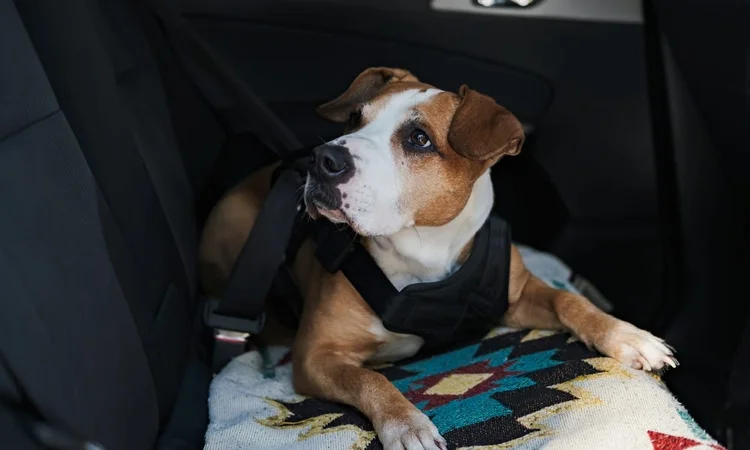
Get your dog used to their car safety restraint. If you don’t have one, or the one you use doesn’t work well, try a different type of restraint like those available here.
Try taking your dog for short, 1–2 minute drives. If your dog gets anxious or distressed, stop and walk it home. If it stays relaxed, start increasing the length of your trips.
Continue to build on your trip times with your dog in the car, rewarding good behaviour and creating new good experiences in the car.
Once you’ve managed your dog’s car anxiety, you’ll likely find a lot of the car sickness symptoms lessen as your dog begins to enjoy their time in the car.
Dog Car Sickness Medication
If your dog doesn’t suffer from car anxiety, but the motion sickness persists, then it may be time for you to consult your vet for advice. They may be able to prescribe your dog travel sickness tablets, but these are only available when prescribed by a vet. This means you may not be able to get them when you need them, nor do they provide a long-term solution to your dog’s motion sickness.
How to Prevent Car Sickness in Dogs
In addition to the above treatments for dog car sickness, there are some steps you can take to make traveling in the car a more enjoyable—or at least less nauseating—experience for your dog.
The key is to take your time getting your dog adjusted to being in a car, both stationary and mobile. This will help stave off anxiety and lessen some of the symptoms.
Other things you can do to prevent your dog’s travel sickness include:
Keeping them cool in the car — Have the window open slightly to let cool air in or have the conditioning on enough to reach them where they are in the car.
Don't leave them alone — Even in colder weather, being left alone in a place they feel is unsafe can be extremely stressful for your dog and may make matters worse.
Try to feed them 2-3 hours before travelling — also remember to take regular bathroom stops if your journey is a long one or will interfere with your dog's typical toilet times.
Drive as slowly and carefully as possible — sharp corners are unpleasant for anyone, even with a strong stomach.
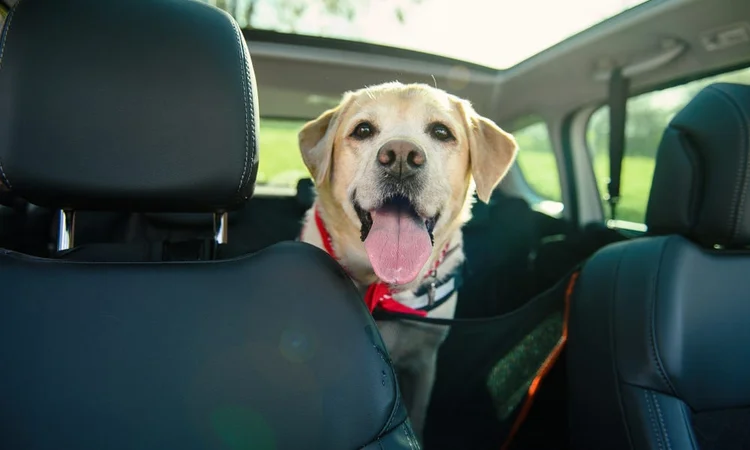
Try to have your pet facing forwards — this can be difficult in the boot, so move your dog to the backseat where you can use a proper car restraint like this CarSafe Dog Travel Harness and PetGear Dog Seat Belt.
Take regular breaks — Allowing them to stretch their legs and have a good sniff of a new environment is a great way to reward them for their good behaviour (although, treats works just as well!)
We hope this guide helps you and your dog to conquer car sickness once and for all! And if you are looking to hit the road with your pup soon, then why not check out our great range of dog travel essentials, including car safety products, portable dog bowls, and calming aids.





Leave a Reply
Your email address will not be published.