




First published 6th November 2024. Last updated 18th December 2025.
As the seasons change, so do your pet's needs. In this blog, we're sharing some of our top winter wellness tips for pets so you can keep your pet happy and healthy through the cold weather of the winter months.
Winter Pet Care Tips
Between cold weather, shorter days, and the holiday season, there's a lot that needs to be considered when it comes to winter pet care, and we've gathered all those things in a list so you can make sure you're doing the best for your best this winter.
Winter Paw Care
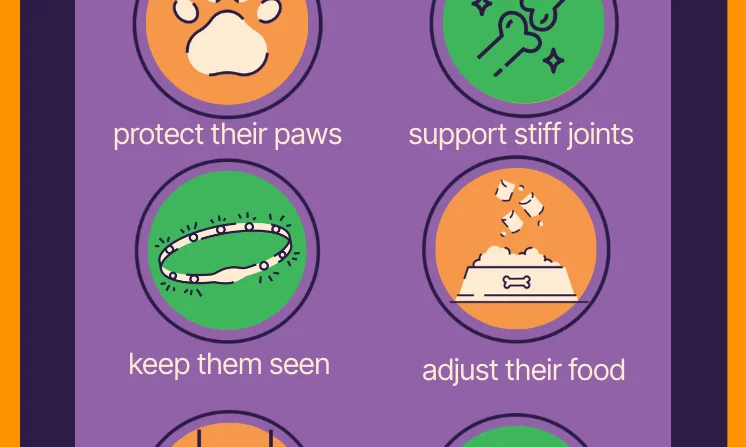
Caring for your pet's paws should be part of any pet grooming routine, but it is crucial during the winter.
Ice, snow, salt, and de-icing chemicals can damage your pet's paws, and snowy conditions can hide hidden dangers that your dog's paws have no protection against. Colder temperatures can also dry your pet's skin, making exposed areas like their paws and nose more prone to cracking and increasing the risk of infections.
Your pet's winter paw care routine should include:
Cleaning your pet's paws when they come inside
Drying your pet's paws thoroughly
Checking your pet's paw pads for any cracks, injuries, or tender spots
Apply a pet paw balm to their nose and paw pads
If you're concerned about walking your dog in the winter, consider investing in dog boots to keep their feet dry and protected during walks.
Cold Weather Joint Support
Most people struggle to stay active during the winter, and not just to avoid the cold temperatures.
Wet and cold weather can play havoc on your pet's joints, causing stiffness even in healthy pets. If you notice your pet is less active during the winter, keep an eye on how they move:
Are they having trouble getting up the stairs?
Are they having trouble getting onto the sofa?
Are they sleeping more than usual?
If your answer to the above is yes, then it could be a sign that your pet's joints are giving them some grief. Introducing a pet joint supplement to your pet's diet over winter may help alleviate stiffness in their joints, enabling them to stay mobile.
Older dogs and cats, in particular, are prone to joint trouble in winter, especially if they've been diagnosed with a musculoskeletal condition like arthritis. Keeping your pet mobile is essential to keep their joints limber and prevent further problems.
Be Bright, Be Seen
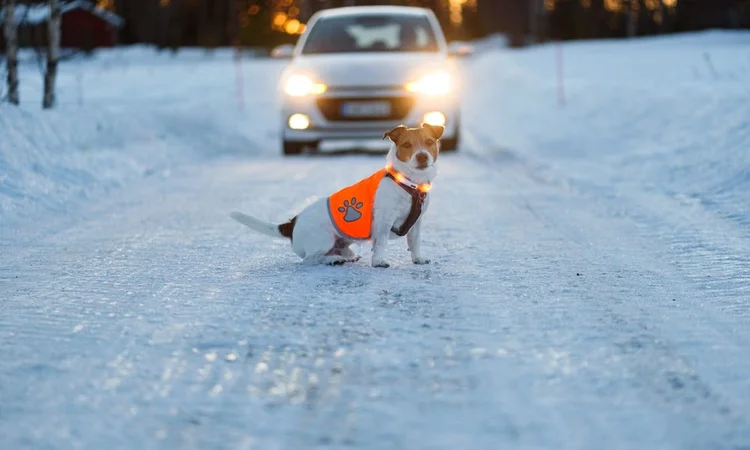
Days are far shorter this time of year, with the sun setting as early as 4 pm.
Less light means fewer chances of you being seen while out on walks, and makes it especially hard for drivers to see dogs or cats. Make sure your pet is seen this winter with light-up accessories like:
Reflective cat collars
Light-up dog toys
Reflective dog coats
Light-up collar charms
Having your pet easily visible when out in the dark can also help prevent them from getting lost if they roam too far. Ensure your pet's microchip details are up to date, and they are wearing a collar with ID tags when out of the house. This way, if they wander too far and someone finds them, it'll be far easier to bring them home.
Adjust Their Diet this Winter
Some pets may need more food during the winter as they deplete their energy resources much quicker by growing winter coats, maintaining internal body temperatures, and adding to their fat reserves for insulation.
Increasing the amount your pet eats in winter ensures they have enough energy for their day-to-day needs while helping them cope with the cold. A key sign that your dog needs more food in winter is noticeable weight loss, as their body burns calories for other functions.
However, in some instances, increasing your pet's food intake may lead to overfeeding, especially since some pets are less active during winter. Instead, they could benefit from supplements or by feeding them energy-dense foods like:
Bone broths (pet-safe or homemade)
Oily fish (such as tuna or salmon) are bursting with Omega-3 and unsaturated fats.
Broccoli contains vitamins, minerals, and fibre to aid digestion and reduce allergies.
If you're unsure whether your pet needs its food adjusted during the winter, consult with your veterinarian for advice.
Keeping Pets Calm Over Christmas
Perhaps the most anticipated day in winter is, of course, Christmas Day, although celebrations often begin as early as November.
Christmas is a joyous time for us to celebrate and reconnect with those we love, but for our pets, it can be a stressful time because of:
Frequent visitors or deliveries to the door
Changes in routine
Loud noises from fireworks displays or parties
Travelling
Flashing lights and decorations
Lack of attention
All of these can be triggers for anxiety in pets, making the most wonderful time of the year a stressful ordeal. This can often lead to behavioural changes in your pet, such as chewing on things, eating things they shouldn't, pacing, panting, hiding, and bathroom accidents, among other issues.
Give your pet the gift of calm this Christmas by:
Keeping their routine as normal as possible
Providing them with a safe space to retreat when guests are around or when things get too loud
Introducing calming aids for pets early to help them adjust better to the changes around them
Keeping their meal times as close to the same time as possible
Distracting them from unavoidable triggers with puzzle or treat toys
A stressed pet is not a happy pet, so make sure to keep things as usual for them as you can. Also, familiarise yourself with the most common christmas dangers for pets so that everyone can enjoy a pet-safe christmas.
Keep Them Warm Inside
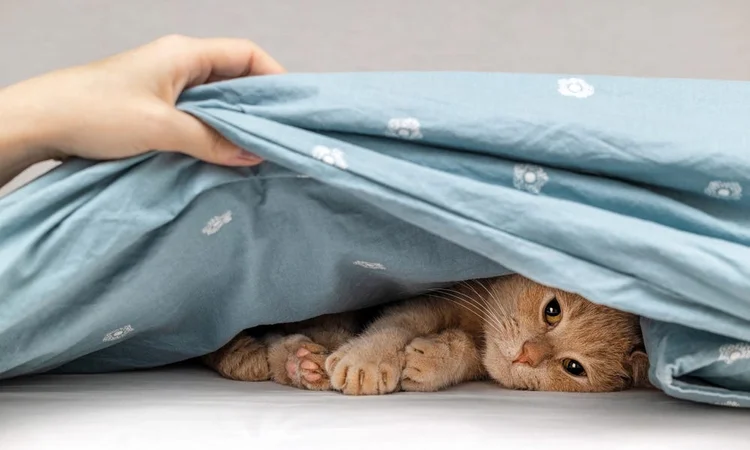
Nobody enjoys going out during the colder months, but this can be unavoidable for pets with access to the outdoors. When pets are wet, they are susceptible to various health conditions, including fungal or bacterial infections, skin irritation, matting, cold-water tail, and more.
It's best to keep pets inside during the colder months, especially when temperatures are lowest (from evening until morning), so they can rest comfortably and build up their energy. If you have a cat, providing an indoor litter tray can encourage them to stay indoors rather than exploring.
To help keep your pet warm and dry this winter, try:
Drying your pet when they come in from outside,
Provide extra warm bedding where they sleep
Provide a cosy outdoor shelter for animals that free-roam
Bring small animals (such as rabbits and guinea pigs) indoors or weatherproof and insulate their enclosure
Keep them active indoors with toys and playtime
Reduce baths where possible, so your pet stays dry
Maintain your pet's coat and minimise trips to the groomer
Provide coats for dogs without undercoats to keep them warm
If you are worried about your outdoor cat during the colder months, read our blog for tips on keeping your cat warm.
Antifreeze Safety
Car owners use antifreeze to keep their cars in working order as the temperature drops. While most antifreeze is water-based, it contains chemicals such as ethylene glycol and methanol, which are highly toxic to humans and pets.
Due to its sweet scent and taste, many pets are drawn to drink antifreeze from puddles, leaking car radiators, uncleaned spills, and outdoor water fountains, which are often treated in the winter to stop the water from freezing.
To keep your pet safe, try some of the following:
Use pet-safe anti-freeze (Propylene glycol-based)
Stop your pet from drinking from any puddles, fountains or water features that might contain anti-freeze
Clean up antifreeze spills quickly and efficiently by absorbing the liquid before cleaning the area
Always store anti-freeze and other harmful chemicals in a safe and secure location that your pet can't reach
Provide your outdoor pets with plenty of fresh water and check it throughout the day to ensure it doesn't freeze
Early symptoms of antifreeze poisoning appear between 30 minutes and 12 hours after ingestion.
These symptoms include:
Vomiting
Tiredness
Unsteady movements
Extreme thirst
Frequent urination
You must call your emergency veterinarian as soon as you notice any of these poisoning symptoms, as your pet's condition may continue to decline, leading to seizures, comas, and even death.
Caring for Small Animals in Winter
Small animals also need extra care in the winter to protect them from the elements and ensure hungry predators can't get at them either. If possible, you should try to bring your small animals, like rabbits, guinea pigs, or ferrets, indoors so they can stay warm and dry.
If you can't bring your small pets inside for the winter, make sure to properly weather-proof their enclosure against rain and wind, provide them with extra bedding to burrow in and stay warm, and check that their water hasn't frozen. Our blog offers more advice for keeping small animals safe in winter.
Winters can be harsh for us all, especially our pets, who can't tell us when something is wrong.




Leave a Reply
Your email address will not be published.