







Just because something is natural doesn’t necessarily make it safe. Essential oils have been used for decades for their lovely smells and are often found in various products and practices, including homeware products, beauty products, aromatherapy, and more. But did you know some of these oils also pose a deadly threat to our four-legged friends?
With the chillier months fast approaching and the desire for warm and cosy evenings drawing nearer, we wanted to look at what essential oils are toxic to pets and what steps you can take to ensure your pets are safe.
Key Takeaways:
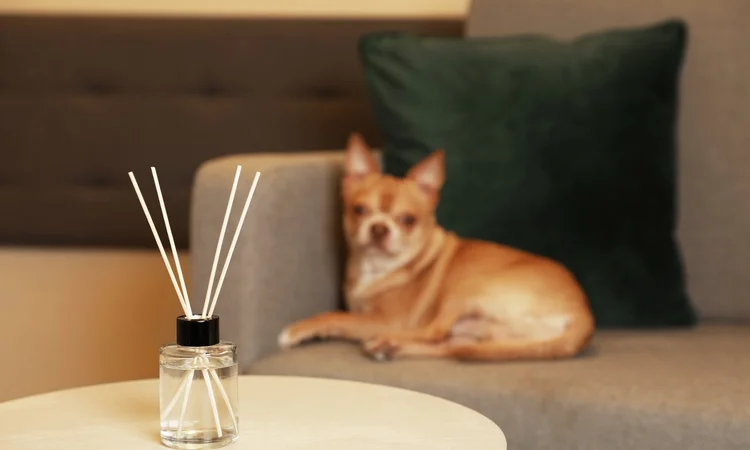
Due to their delicate respiratory systems, essential oil diffusers are not recommended in homes with cats, dogs, or other pets unless in a room they do not frequent.
When used properly and in moderation, non-toxic essential oils for cats and dogs include cedar wood, rosemary, frankincense and Helichrysum.
If you have pets in the home, store any essential oils in a safe place your pet can't reach, and always ventilate your home after using essential oil diffusers or candles.
What are Essential Oils?
Essential oils are made when certain plants are distilled, which extracts the compounds which provide their scent, flavour, or “essence”. This essence is then mixed with a carrier oil to dilute the compounds and ensure they’re safe for use on your body or in the air.
When undiluted, essential oils are even toxic to humans, especially when swallowed. Others may cause a rash on your skin or even cause pneumonia if it makes its way to your lungs.

Symptoms of Essential Oil Poisoning in Dogs & Cats
Essential oils are meant for human use and aren’t properly diluted enough to be safe for pets and their smaller bodies. Since our pet’s livers are smaller than ours, they’re unable to properly metabolise the chemicals in the essential oils, which can lead to signs of poisoning in pets, including:
Dribbling
Shaking or Tremors
Unsteadiness on their feet or collapsing
Difficulty breathing or breathing with their mouth open
Vomiting
Seizures
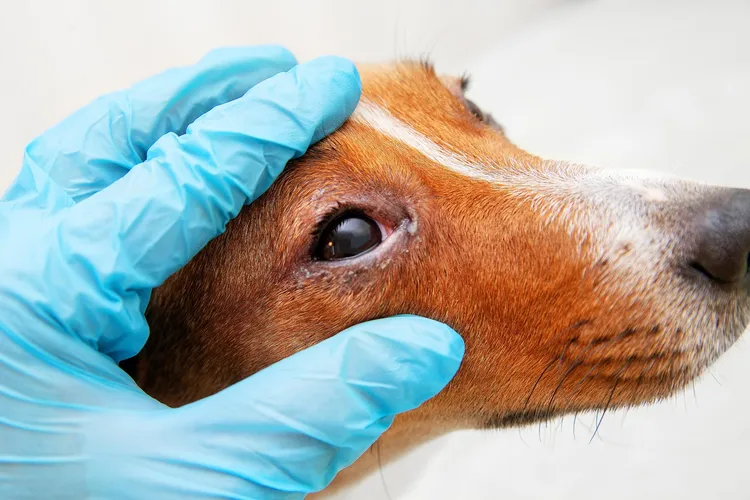
If the essential oil has made contact with your pet’s skin, you may also notice red or sore skin, with extreme cases like chemical burns. Your pet’s skin does not need to be broken for essential oils to harm them.
The effects of essential oil poisoning in pets can be disastrous, resulting in respiratory problems, liver failure, and even death.
Essential Oils Toxic to Cats
Cats are more sensitive to essential oils than dogs, whether ingested, absorbed through the skin or breathed in from a diffuser. These include:
Cinnamon
All citrus oils
Clove
Eucalyptus
Lavender
Pennyroyal
Peppermint
Pine
Sweet birch
Tea tree
Wintergreen
Ylang ylang
While this is not a complete list of essential oils that may be toxic to your cat, it’s always best to stand on the side of caution and not jeopardise your cat’s safety by not using essential oils around them unless you take precautionary measures.
Essential Oils Toxic to Dogs
Dogs are less sensitive to essential oils than cats, but that’s not to say they’re any less dangerous. The essential oils that are poisonous to dogs include:
Cinnamon
All citrus oils
Clove
Hyssop
Pennyroyal
Peppermint
Pine
Sweet birch
Tea tree
Wintergreen
Ylang ylang
As with cats, you should always be careful of essential oils around dogs, especially those with existing heart, liver, or lung conditions.
Some essential oils can also be put into cleaning products to ensure pet-safe cleaning products are on hand for their safety.
Are Scented Candles Bad for Dogs & Cats?
Scented candles are a safer option if you’re looking to create a nice and cosy atmosphere. However, the fumes from the burning candle are still a danger to your pet if inhaled. Plus, candles are a fire risk that your pet may knock over or try to touch with their paws or nose.
If you’re looking to burn a scented candle in your home, make sure you:
Supervise your pet
Keep the room well-ventilated throughout
Don’t burn the candle for too long
Extinguish the candle when you leave the room

Pet-Safe Essential Oils
The safest option for pets regarding essential oils is not to use any in the home or around your pets. However, if you can't bear to part with your essential oils or you're using them for therapeutic means, there are few that are safe for use around pets when properly diluted. These include:
Cedarwood
Rosemary
Copaiba
Helichrysum
Frankincense
While these are listed as pet-safe essential oils, you should still take steps to keep your pets safe around them, which we discuss below.
Keeping Pets Safe Around Essential Oils
There are some precautions to ensure your pet’s health and safety while still enjoying the benefits of essential oils, which include:
Storing essential oils safely — This reduces the chance of your pet accidentally ingesting or coming into contact with them.
Not using essential oil cleaners — They may get on your pet’s skin or fur, which they’ll then groom.
Washing your hands after using or handling essential oils —This will stop any residue from getting onto your pet’s skin or fur.
Only use heavily diluted oils — This greatly lowers the risk of toxicity to your pet.
Keep your pet out of the room— This allows you to enjoy the benefits without risking your pet’s health, especially when using diffusers. Also, ventilate the room to air it out once you’re done.
Always check ingredients, even on pet products — Some products (such as insecticides) may contain some essential oils that can harm your pet.
Always be cautious when using essential oils, and prioritise your pet’s health. If you notice your poet is showing any of the mentioned poisoning symptoms, contact your vet immediately for advice. Do not try home remedies for pet poisoning, as some methods may exacerbate your pet’s symptoms or make them worse.






Leave a Reply
Your email address will not be published.